
 Edith Hejberg

For those avoiding gluten, even a small sip of beer can be risky. A new lateral flow strip makes it easier to detect gluten levels in drinks and foods, fast.


Despite being brewed and sipped for thousands of years, beer and wine still hold surprises for scientists.
Recent research has uncovered some fascinating findings, ranging from why some lagers appear cloudy to how sulfites in wine may affect our gut. These new insights deepen our understanding of the drinks we think we already know.
Not all haze is from hops

Cloudy beers are trending, but the typical haziness comes from barley proteins clashing with hop compounds.
Now, researchers have found another culprit: yeast extracts. When added to clear lager, these extracts triggered intense cloudiness, thanks to interactions between the RNA in the yeast and proteins in the beer.


Yeast RNA creates serious fog

In experiments using two commercial lager brands, yeast RNA extracts made the drinks look dramatically murkier.
The scientists believe this could offer brewers a new way to create hazy beers, without relying solely on traditional ingredients like barley or hops. For fans of foggy brews, that’s big news.
A simple strip to spot gluten

For those avoiding gluten, even a small sip of beer can be risky. A new lateral flow strip makes it easier to detect gluten levels in drinks and foods, fast.
The test is sensitive from 0 up to more than 20 parts per million and gives results in under three minutes with 98% accuracy.
How the gluten test works

The test strip features three lines that indicate gluten ranges below the FDA’s gluten-free threshold.
Researchers put it to the test on both labeled gluten-free products and regular beer. The device performed impressively, showing potential as a handy tool for consumers and producers alike.
Why red wine makes your mouth pucker

A small tasting study set out to answer a classic wine mystery: what causes that dry, puckered sensation from red wine?
The answer lies in tannins, naturally occurring compounds found in grape skins, seeds, and stems. Wines with more tannins were rated as more astringent by trained tasters.
Tannins block water flow in the mouth

Scientists discovered that tannins temporarily block aquaporin channels in the tongue and salivary glands.
These channels usually help move water. When they’re blocked, more water leaves than enters, creating that familiar dry-mouth effect that defines many red wines.
The science of sensation
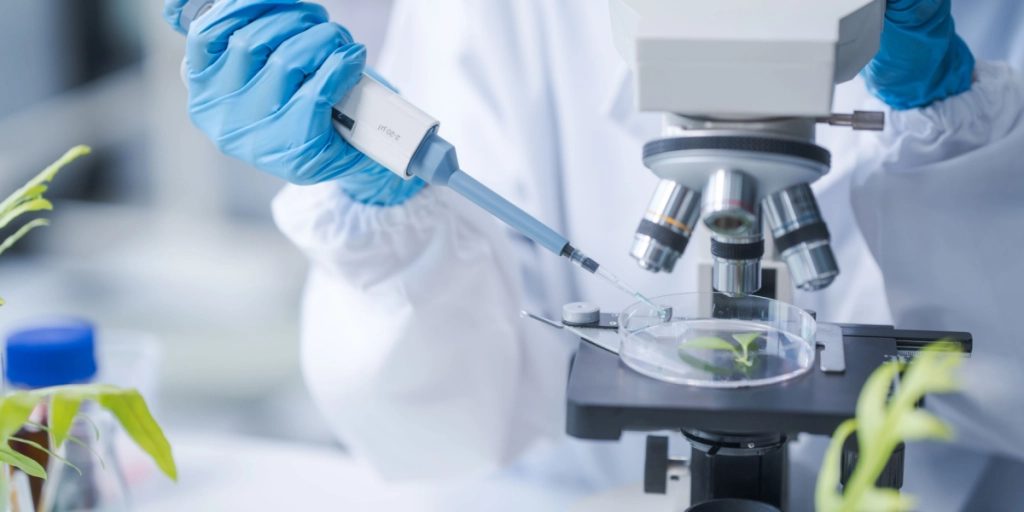
This finding adds new depth to our understanding of how we taste and experience drinks. It’s not just about flavor; it’s about how ingredients like tannins physically interact with our bodies.
These discoveries could influence how future wines are produced and evaluated.
Sulfites do more than preserve wine

Sulfites help keep wine fresh, but they’ve also been blamed for headaches and stomach issues.
To investigate further, scientists simulated digestion in a lab and found that sulfites can alter the balance of gut bacteria. The changes weren’t necessarily beneficial.
Gut bacteria took a hit

After digestion, samples with sulfites showed fewer beneficial gut microbes and more bacteria linked to negative health outcomes.
The effect was stronger in a sulfite-spiked liquid than in real wine, suggesting that other wine compounds, like polyphenols, may offer some protection.
Polyphenols might soften the impact

Polyphenols, natural antioxidants found in grapes, may buffer the effects of sulfites on gut health.
Although changes were still observed in real wine, they were less dramatic than in the test liquid. This finding adds nuance to the conversation about sulfites and health.
Impacts for drinkers and makers

These new discoveries have big implications, not just for scientists, but also for winemakers, brewers, and consumers.
From better gluten testing to insights into mouthfeel and gut health, the future of beer and wine could be more informed, and maybe even healthier.
Research pours into the future

As beer and wine continue to evolve, so does the science behind them.
With new tools and techniques, researchers are uncovering surprising secrets hidden in every sip. Whether you drink for taste, tradition, or curiosity, there’s more than meets the palate.



