
 Edith Hejberg

Experts describe the mouth as an “open portal” into the body. Bacteria from infected gums can enter the bloodstream through tiny breaks in the tissue.
Others are reading now


For centuries, dentistry was treated separately from medicine. Dentists and doctors still train in different systems today.
But researchers now believe the mouth should no longer be viewed in isolation. Growing evidence shows oral health is closely linked to the rest of the body.
Your mouth is home to hundreds of bacteria

The human mouth contains around 700 species of bacteria. Most are harmless, but problems begin when plaque builds up on teeth and gums.
Around half of UK adults have some form of gum disease, making it one of the most common chronic health conditions.


Gum disease can quietly become serious

Mild gum disease, known as gingivitis, often causes bleeding during brushing or flossing and can usually be reversed.
More advanced disease, called periodontitis, damages the tissues supporting the teeth and is the leading cause of adult tooth loss.
Scientists call the mouth a gateway

Experts describe the mouth as an “open portal” into the body. Bacteria from infected gums can enter the bloodstream through tiny breaks in the tissue.
Once inside the body, those bacteria may contribute to inflammation and other health problems far beyond the mouth.
Researchers are focused on heart disease

One of the strongest links is between gum disease and cardiovascular disease.
Scientists have found oral bacteria inside fatty plaque deposits in arteries, raising questions about whether poor oral health may help drive heart problems.
Oral bacteria may increase stroke risk

Researchers say oral bacteria can bind to blood platelets, causing them to clump together and form dangerous clots.
If those clots travel to the brain, they may trigger a stroke. If they block blood vessels in the heart, they can cause a heart attack.
Diabetes and gum disease influence each other

People with gum disease are more likely to develop diabetes because chronic inflammation can interfere with blood sugar control.
At the same time, people with diabetes are more vulnerable to severe gum disease when blood glucose levels stay high.
Root canals may help overall health

A 2025 study found root canal treatment significantly lowered blood sugar, cholesterol and fatty acid levels in some patients.
Researchers say treating deep infections inside teeth could benefit both oral health and metabolic health.
Scientists are investigating dementia links

Researchers are exploring whether chronic gum inflammation may contribute to cognitive decline.
One study found that people with gum disease experienced much faster mental decline over a six-month period than those with healthier gums.
Oral health affects confidence and wellbeing

Advanced tooth decay and gum disease can damage confidence, affect appearance and reduce social interaction.
Researchers say poor oral health may also affect mental wellbeing because pain and discomfort can impact daily life.
Arthritis may also be connected

Studies found that people with arthritic knees were more likely to have experienced gum disease.
Inflammation is thought to be the common factor linking oral health problems and joint deterioration.
Experts say people should not panic
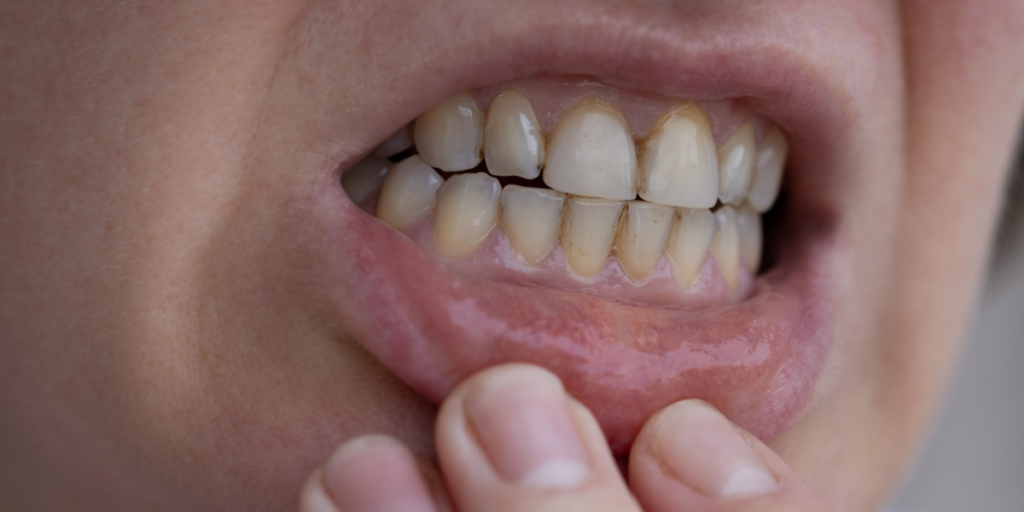
Researchers stress that bleeding gums do not automatically mean someone will develop serious disease.
Most findings are based on population-level trends, not predictions for individual people. The goal is awareness, not fear.
Good daily habits still matter most

Dentists recommend brushing twice a day, flossing regularly and limiting sugary snacks.
Experts increasingly believe that caring for your mouth is an important part of protecting your overall health.


