Kenneth Glad
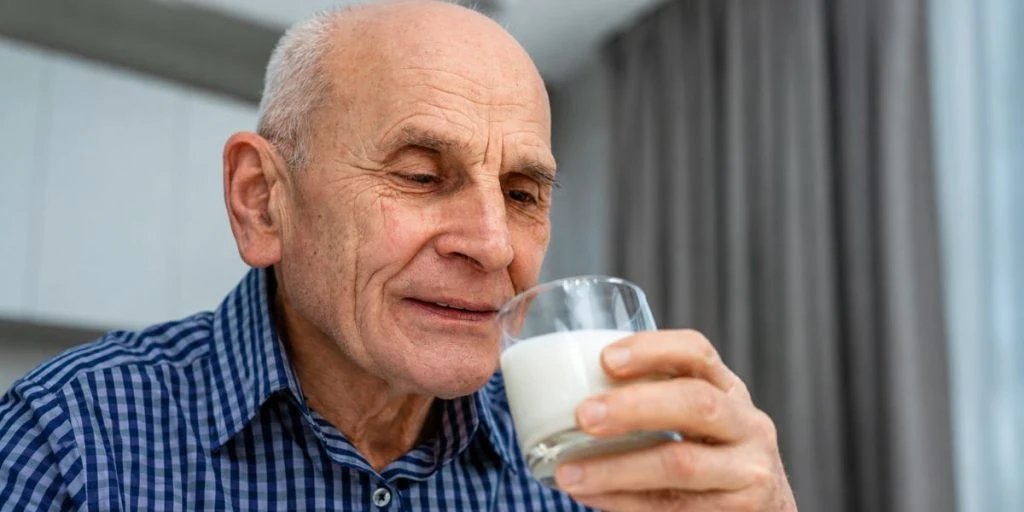
Bone density, muscle strength and balance all shape the risk of fractures later in life. Food can help, but no single ingredient offers complete protection.


The foundations of skeletal health are laid long before fragile bones become visible. The BBC reports that bone density usually reaches its peak in early adulthood and then begins a gradual decline.
Kate Ward, professor of global musculoskeletal health at the University of Southampton, said the strength of the skeleton in later life partly reflects the reserves built during childhood and early adulthood.
That deterioration can remain hidden for years. Osteoporosis affects an estimated 500 million people worldwide, while more than 10 million hip fractures occur each year among people over 55, according to figures cited by the BBC.
Women face a particularly sharp loss of bone density after menopause. Osteoporosis is also increasingly recognised in men, partly because more now live to ages when significant bone weakening becomes apparent.


Bones and muscles work together
Fracture prevention is not simply a matter of keeping enough minerals in the skeleton. It also depends on preserving muscle strength and stability, which can reduce the likelihood of falls.
“Bone and muscle should really be thought of as a single system,” said Bess Dawson-Hughes, a professor at Tufts University who specialises in bone and muscle function. “If you can preserve muscle strength, you will lower risk of falls and you will dramatically lower your fracture risk.”
The BBC reported on a two-year trial involving 7,195 older adults living in care homes. Participants whose diets included additional dairy foods and protein had an 11% lower risk of falls and a 46% lower risk of hip fractures than those in the comparison group.
Researchers suggested that the combination of calcium and protein may have helped produce the result. Calcium is central to bone structure, while protein helps preserve muscle mass. Vitamin D allows the body to absorb calcium, and nutrients including magnesium, phosphorus, zinc and vitamin K also play important roles.
Dairy is not essential
Milk, cheese and yoghurt are established calcium sources, but a bone-friendly diet does not have to depend on dairy. Green vegetables, pulses, fortified foods and soy products can all contribute to daily intake.
Fish such as sardines can offer calcium and protein in the same serving, while oily varieties also contain vitamin D. The practical value lies less in any one food than in building a varied diet that regularly provides the nutrients bones and muscles require.
Evidence for some individual foods remains limited. Research summarised by the BBC found that soy isoflavone supplements were associated with small improvements in bone density among postmenopausal women. Another trial found that women who ate prunes experienced less bone loss than those in the comparison group.
Supplements may be appropriate when diet or sunlight exposure is inadequate, but they are not automatically beneficial for everyone. Amelia Moore, a research fellow at Guy’s Hospital Osteoporosis Unit in London, noted that their effects differ between groups.
Very high vitamin D intake may increase the risk of falls, while calcium supplements are generally recommended only when dietary intake is insufficient.
“The best ways to keep our bones healthy include eating a healthy, balanced, varied diet,” Moore said.
The broader message is that fracture risk is shaped by more than bone density alone. A varied diet, regular weight-bearing activity and stronger muscles each address a different part of the problem.
Source: BBC