Edith Hejberg

Researchers used data from the UK Biobank, tracking hundreds of thousands of people.


For years, the advice has been simple: move more and sit less.
Now, research is refining that message with greater precision.
It’s not just about how much you move, but how you move.
New findings suggest intensity plays a key role in long-term health.
The study behind the headlines

A large study published in the European Heart Journal explored how exercise intensity affects disease risk.
Researchers used data from the UK Biobank, tracking hundreds of thousands of people.
Some participants wore activity trackers, while others reported their habits.
The study followed them for around nine years.
What conditions were examined
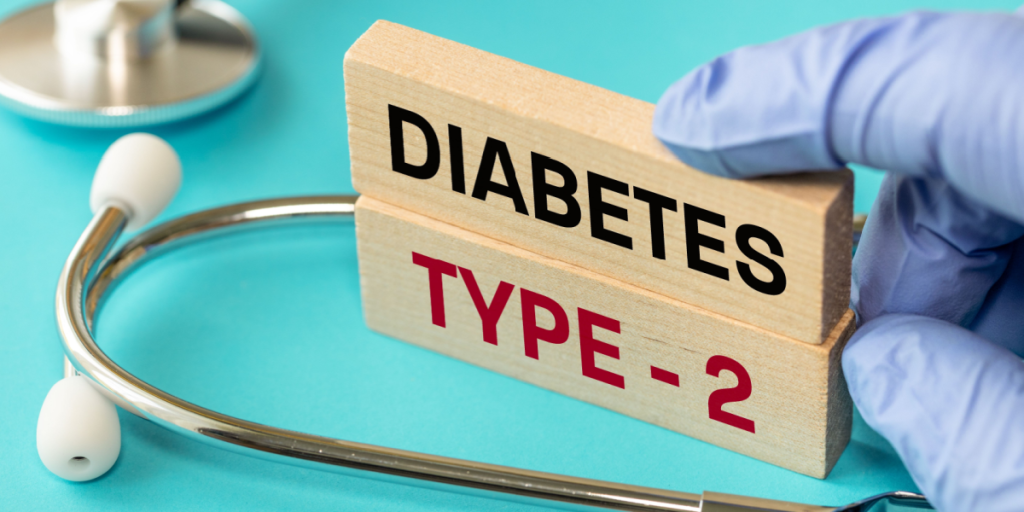
Scientists looked at eight major health outcomes.
These included heart disease, type 2 diabetes, and dementia.
They also tracked kidney disease, respiratory illness, and more.
Overall mortality was included as well.
The standout finding on intensity

The key insight was surprisingly simple.
People who did just a small amount of vigorous activity saw big benefits.
Specifically, those with more than 4% of activity at high intensity had much lower risks.
Even small changes made a measurable difference.


Dramatic reductions in disease risk

The numbers were striking across multiple conditions.
Dementia risk dropped by 63%, and diabetes by 60%.
Fatty liver disease fell by nearly half.
Even heart-related conditions saw meaningful reductions.
A benefit across the whole body
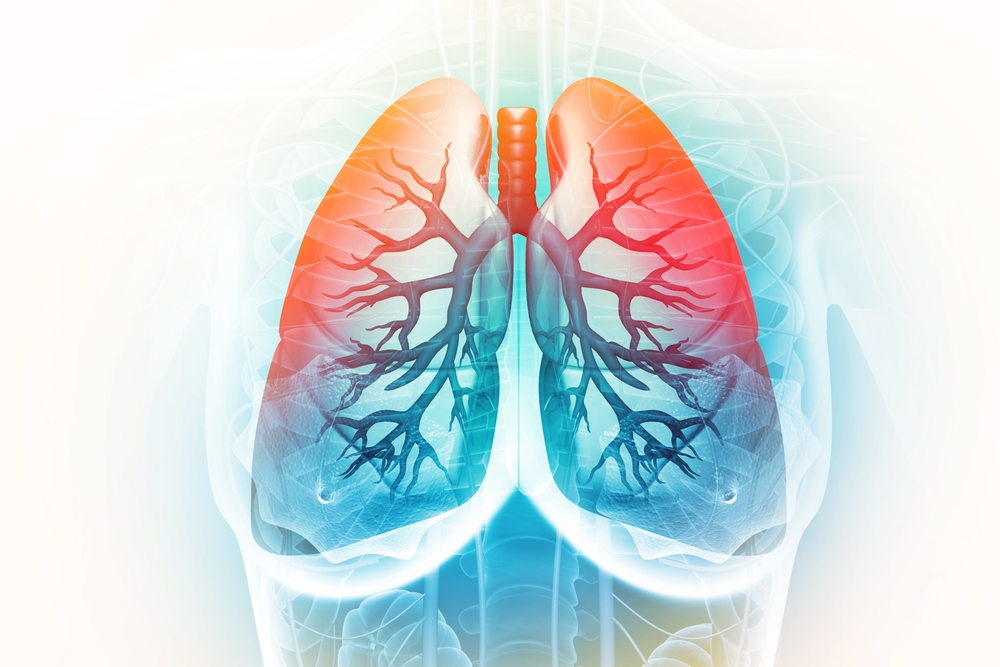
The results weren’t limited to one organ system.
Benefits appeared in the brain, heart, lungs, and metabolic system.
Some diseases were especially linked to intensity rather than total activity.
This suggests the body responds uniquely to harder effort.
What counts as vigorous exercise

Vigorous activity means pushing your body noticeably harder.
A simple “talk test” can help gauge intensity.
If you can’t speak more than a few words at a time, you’re likely there.
It’s about effort, not perfection.
Examples of high-intensity movement
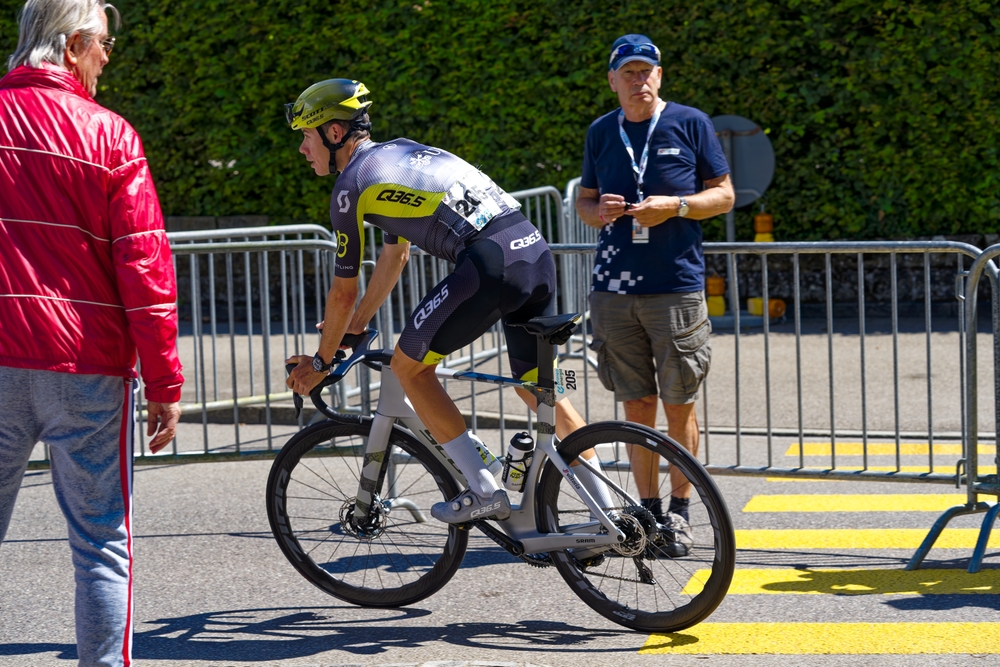
Running, fast cycling, and lap swimming all qualify.
Climbing stairs quickly is another common example.
Even brisk walking can be intense for some people.
Fitness level determines what feels challenging.
Everyday bursts still count

You don’t need a formal workout to benefit.
Short bursts during daily life can be just as effective.
Rushing for a bus or carrying heavy groceries can qualify.
What matters is raising your heart rate and breathing.
Why intensity makes a difference

Higher intensity challenges the body more in less time.
It improves cardiovascular fitness and insulin sensitivity.
It may also support brain health and metabolism.
Researchers are still exploring the full biological reasons.
How much is actually needed

The threshold for benefits is lower than many expect.
Just a few minutes of vigorous effort each day can help.
You don’t need long or extreme workouts.
Consistency matters more than duration.
Practical ways to add intensity

Small changes can make a big difference.
Take the stairs faster or walk briskly to work.
Add short bursts of effort to regular exercise.
Intervals of 30 to 60 seconds can be effective.
Adapting for different abilities

Not everyone needs the same approach.
For beginners, slightly faster movement may be enough.
Chair-based exercises can also raise heart rate.
It’s important to match intensity to your own level.
The key takeaway for better health

It’s not just how much you exercise, but how hard you push.
Even a little high-intensity activity can lower disease risk.
The goal is to build sustainable, realistic habits.
Small efforts, done regularly, can lead to meaningful change.