
 Asger Risom

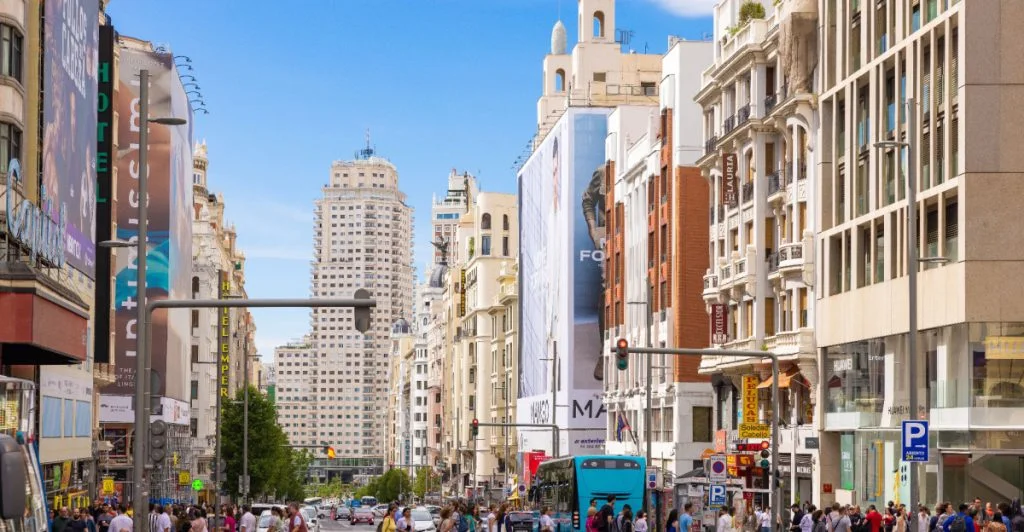
As chronic noise pollution drives an invisible public health crisis, acoustic ecologists are hunting down and protecting rare pockets of pure silence in dense cities.


We built this city… We built this city on noise control!
While it might not be the exact lyrics to Starships hit-song, it’s close enough. As giant cities continue to scale, noise follows.
Urban planners have spent decades trying to muffle their own cities. They build massive concrete sound walls along interstates and draft strict decibel limits for construction crews. But simply turning the volume down from a roar to a low-frequency hum is not the same thing as actually cultivating silence.
Even with modern noise ordinances in place, living inside the constant, baseline drone of tire tread and commercial HVAC units takes a physical toll. As detailed by UCLA Health, that chronic background noise spikes blood pressure, disrupts sleep, and keeps the human nervous system locked in a low-grade state of fight-or-flight.


To fix this, a growing group of acoustic ecologists is pushing local governments to change their entire approach to urban audio. Instead of just mitigating loud nuisances, they are hunting down rare, existing pockets of absolute stillness in the middle of dense metropolises and locking them down as protected public utilities.
The baseline of nothingness
To formally protect these zones, an organization called Quiet Parks International acts as an acoustic auditor. They treat silence not as an abstract luxury, but as a measurable, highly vulnerable natural resource.
Getting a public green space certified is difficult. Evaluators measure the acoustic profile of a location to ensure the ambient noise level stays consistently low. It is not just about blocking out traffic; it is about guaranteeing a visitor can clearly hear leaves rustling or birds singing without a mechanical interruption.
Since launching, the organization has awarded this status to only a handful of places globally. They have verified patches of stillness in Taiwan, Sweden, and a protected heath in the middle of London. Once a park gets the official quiet designation, local governments are heavily incentivized to defend that acoustic boundary from new flight paths or highway expansions.
Designing an acoustic fortress
You cannot just throw a fence around a random patch of grass and call it quiet. Finding silence in a modern metropolis requires highly specific terrain and brilliant acoustic engineering. The best quiet parks act like massive physical shock absorbers that trap and deflect the chaotic energy of the surrounding city.
Dense, mature trees are incredible natural sound baffles. A thick canopy of leaves physically absorbs high-frequency noise, while deep, porous soil and thick underbrush soak up the low-frequency rumble of nearby traffic. The very geography of a space, like sunken ravines or rolling hills, can actively bounce city noise over the heads of the people walking inside.
Urban planners are finally realizing that visual beauty is only half the equation when designing a public park. If a beautifully manicured garden sits right next to a roaring six-lane highway, the stress of the noise completely overrides the calming effect of the trees. We have to design spaces for our ears, not just our eyes.
The scramble for quiet real estate
As the mental health benefits of these acoustic sanctuaries become scientifically undeniable, the demand for them is skyrocketing. Having a certified Urban Quiet Park in your neighborhood is rapidly becoming a major real estate draw. People are willing to pay massive premiums just to live within walking distance of guaranteed silence.
This shift is forcing local governments to rethink how they manage urban development. When a city knows a specific park is a verified quiet zone, they have to carefully consider the acoustic impact of nearby construction projects or changes to public transit routes. Silence is finally being treated as a fragile piece of infrastructure that can easily break.
We spent the last hundred years making our cities as loud and fast as physically possible. Now, we are desperately trying to carve out tiny slivers of nothingness just to catch our breath. In a world completely saturated with noise, a patch of absolute silence is the most valuable thing you can find.



