
 Asger Risom

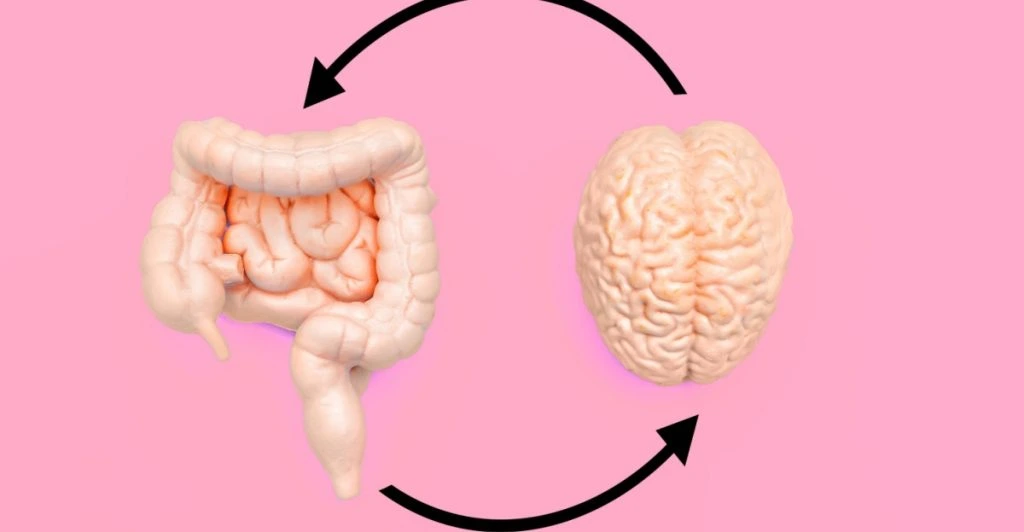
For decades, psychiatry has treated depression and anxiety strictly as brain-centric issues. Now, researchers are proving that the digestive tract actually manufactures the vast majority of our mood-regulating neurotransmitters. By prescribing “psychobiotics”—specific strains of live bacteria that synthesize serotonin and dopamine directly in the gut—doctors are unlocking a radically new approach to mental health that treats the stomach to heal the mind.


For the last fifty years, mainstream psychiatry has operated on a fairly straightforward premise: mental health issues start in the brain, so you treat them in the brain. If a patient is dealing with severe depression or anxiety, a doctor usually prescribes medication to directly alter their neurological chemistry.
But this top-down approach is starting to look incredibly limited. A growing faction of medical researchers is realizing that the brain is not operating in a vacuum. It is actually in constant communication with your digestive tract, and in many cases, your stomach is the one running the show.
Instead of just treating mental health from the neck up, the medical community is starting to look down. They are discovering that fixing a patient’s microbiome might be one of the most effective ways to treat clinical depression.
The serotonin factory
It turns out that a massive percentage of the neurotransmitters regulating your mood are not manufactured in your skull. They are produced in your gut. Roughly 90 percent of the body’s serotonin—the exact chemical that modern antidepressants try to regulate—is actually synthesized by the trillions of microscopic bacteria living in your digestive system.


When this microbiome falls out of balance due to a highly processed diet, chronic stress, or heavy antibiotic use, that biological assembly line physically breaks down. The bacteria stop producing the raw chemicals your brain needs to feel stable. Your brain is not necessarily misfiring; it is simply being starved of its essential operating supplies, triggering the physical symptoms of depression and anxiety.
This completely reframes how we view mental health. A chemical imbalance in the brain is often just a downstream symptom of a biological collapse happening in the stomach.
Prescribing live bacteria
To fix this broken supply chain, scientists are testing a completely new class of medical interventions called psychobiotics. Instead of relying on traditional pharmaceutical drugs, researchers are feeding patients highly specific strains of live bacteria designed to intentionally alter their mental state.
As detailed in a recent clinical review published in Frontiers in Microbiology, these targeted probiotics actively synthesize dopamine, serotonin, and gamma-aminobutyric acid (GABA) directly in the gut. By repairing the microbiome with these specific bacterial strains, doctors can successfully treat the underlying chemical deficit rather than just trying to manage the neurological fallout.
Rebuilding the mental health toolkit
This does not mean you can cure severe clinical depression just by eating a cup of yogurt. The strains of bacteria being tested in these clinical trials are highly specialized and rigorously calibrated to survive harsh stomach acid so they can successfully colonize the intestinal wall.
What it does mean is that the future of mental health treatment is perhaps going to be far more biological than psychological. We are finally moving past the idea that the brain acts as an isolated computer processor locked inside the skull. The human body is a massively interconnected ecosystem, and sometimes the most effective way to clear your head is to fix your stomach.



