
 Kenneth Glad
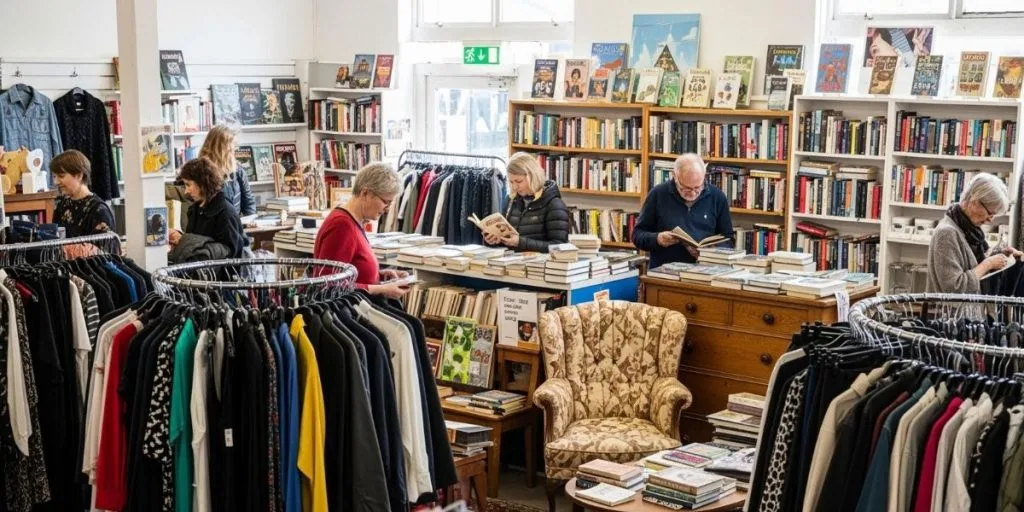
Charity shops are no longer just about bargains.


As more people rethink how they spend, these stores are becoming spaces where quality, timing and a bit of instinct all come into play.
A recent Daily Express feature highlighted commonly overlooked items that can offer strong value.
But beyond specific products, a broader shift is emerging in how shoppers approach second-hand buying.
Value in materials
One of the clearest patterns is a focus on materials rather than labels. The British newspaper reports that heavier glassware often suggests better craftsmanship, though buyers still need to check for chips or cloudiness.


The same thinking applies to leather. A well-made pair of boots or a sturdy bag can often outlast cheaper synthetic versions, especially with basic care.
This durability is one reason resale platforms and second-hand shops alike have seen steady growth in recent years.
Even home items reveal this shift. Older picture frames, for example, can often feature solid wood or more intricate detailing than newer, mass-produced alternatives.
Clothing and context
Clothing remains central, but shoppers are becoming more selective. According to the outlet, designer pieces are more likely to appear in charity shops located in affluent areas, reflecting the types of donations received.
At the same time, some buyers are moving away from brand-focused shopping altogether. Fabric weight, stitching and natural fibres are becoming quiet indicators of value.
For parents, the motivation is often practical. Maternity wear and baby equipment are typically used for a short time, meaning second-hand options are frequently in good condition and far more affordable.
The appeal of the hunt
Not every worthwhile find is predictable. The Daily Express also points to vinyl records as a popular category, where older pressings can occasionally surface. Collectors tend to focus on condition, watching for scratches or warping.
Books and board games offer simpler rewards. They are inexpensive, but the appeal lies in discovery.
One shopper recalled finding a complete vintage edition of Scrabble tucked behind newer boxes, selling for just a couple of pounds.
That element of chance is what sets charity shops apart. Unlike traditional retail, where choice is curated and consistent, these spaces reward patience and curiosity.
You might walk in looking for one thing and leave with something entirely different. And for many, that unpredictability is exactly the point.
Source: The Daily Express



