
 August M
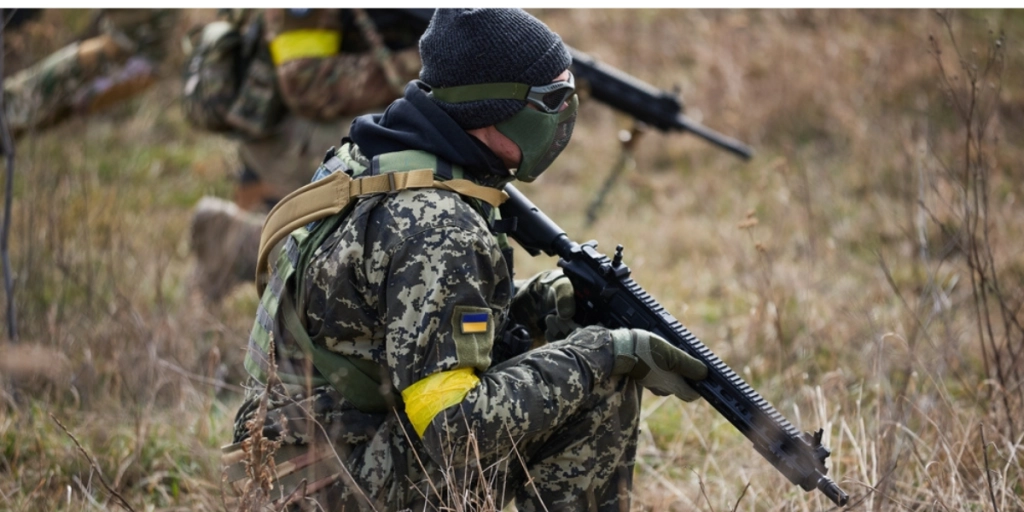
Ukraine’s campaign against Russia’s energy sector is intensifying, with Kyiv claiming major financial damage to Moscow’s war economy.
The latest figures point to billions in lost oil revenue as long-range strikes target critical infrastructure.

President Volodymyr Zelensky said on April 19 that Ukrainian attacks on Russian oil facilities caused at least $2.3 billion in losses in March alone, according to the Kyiv Independent.
“I am grateful to all our warriors for their precision,” Zelensky said in his evening address. “We will continue this work in April.”
Escalating strikes
Ukraine has stepped up long-range drone attacks in recent months, focusing on oil sites seen as a key source of funding for Russia’s military operations.
Zelensky’s comments came a day after Ukrainian forces reportedly hit four additional oil industry targets overnight on April 18.


Kyiv estimates that combined drone strikes and seizures of so-called shadow fleet tankers disrupted around 40% of Russia’s oil export capacity in March.
Market impact
The attacks have coincided with volatile global energy prices. Brent crude climbed close to $120 per barrel in March, levels last seen in 2022 after Russia’s full-scale invasion of Ukraine.
Prices later dropped by about 10% to under $90 per barrel on April 17, following a ceasefire between Israel and Lebanon.
Higher oil prices have partially offset Russia’s losses, helping sustain state revenues despite disruptions.
Sanctions debate
The United States extended a temporary waiver on Russian oil sanctions on April 17, allowing countries to buy shipments already stranded at sea until May 16.
According to the Kyiv Independent, the Trump administration said the move was intended to ease pressure on global oil markets after the conflict involving Iran.
U.S. Ambassador to the United Nations Mike Waltz rejected criticism of the waiver, calling claims it benefited Moscow “ridiculous” in an interview with NBC’s “Meet the Press.”
Kyiv’s response
Zelensky criticized the decision, warning it could undermine efforts to weaken Russia’s war financing.
“This decision will bring no real benefit to diplomacy – and every dollar from oil only encourages Russia to continue the war,” Zelensky said. “But even with this money, they will not solve (Russia’s) problems.”
Economic outlook
The International Monetary Fund recently raised its growth forecast for Russia, citing stronger energy revenues.
“The main driver of the upgrade to Russia’s growth this year comes from an increase in the price of oil and gas,” Alfred Kammer of the IMF said during an April 17 briefing.
Looking ahead
The competing forces of military disruption and high energy prices continue to shape Russia’s economic outlook.
As Ukraine maintains pressure on oil infrastructure and global markets remain unstable, the effectiveness of these strikes in limiting Moscow’s resources will remain closely watched.
Sources: Kyiv Independent, IMF, NBC News



