
 Kathrine Frich
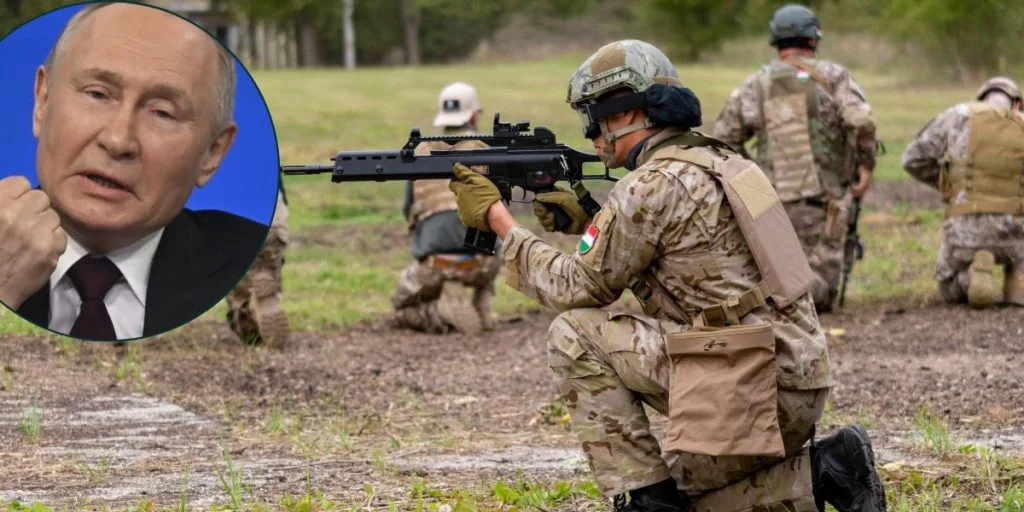
Military training has always relied on paper maps and endless radio calls.


But things are changing quickly. Now, field commanders are handing over the heavy lifting to artificial intelligence.
This massive shift might just change how modern armies prepare for a sudden European conflict.
Testing the network
British armed forces recently teamed up with NATO partners to run a massive digital drill. Behind closed doors, they tested a new command platform called ASGARD during an exercise known as ARRCADE STRIKE.
Bloomberg reported that the advanced system links human soldiers directly with drones, robots, and heavy artillery. Everything connects into one seamless digital network.


This smart setup helps military leaders plan complicated tactical moves much faster. The software relies on major technology giants like Google and Palantir to function perfectly.
Stopping an invasion
During the recent test, officials simulated a sudden Russian assault on the eastern edge of Europe. They watched closely. The goal was to see how modern tools could organize a defence and push back the advancing enemy.
The platform handled roughly ten terabytes of tactical data every single day. That massive data volume equals three months of continuous Netflix streaming.
It successfully coordinated the movements of nearly 100,000 NATO troops alongside 40,000 military vehicles. In the past, planning a counter-attack of that size often took human commanders three full days. The new software finished the job in just two hours.
Waiting for cash
Despite the impressive results, military leaders still face a massive hurdle. Unfortunately, bringing these cutting-edge digital tools directly to the actual battlefield happens far too slowly.
Britain set aside roughly one billion pounds for a broader digital targeting project. Yet the money moves slowly. The defence ministry only spent 50 million pounds on the ASGARD system last year, according to LA.LV.
Lieutenant General Mike Elviss commands the rapid response force. He warned that operational success depends entirely on securing proper funding immediately.
He stated, “This year, we could truly deliver the advanced technology and heightened readiness needed to address this threat, but only if the right investments are made now.”
The primary threat
Western officials point to Moscow as their biggest security challenge. They worry deeply about direct military action. And they also fear sneaky hybrid warfare tactics.
Admiral Giuseppe Cavo Dragone leads the NATO Military Committee. He noted that Russia remains the most significant danger to the entire region.
To stay ahead of the escalating threat, the military alliance is pouring cash into artificial intelligence and drone fleets. Experts believe these fast digital tools will ultimately decide who wins the next major war.
Sources: LA.LV, Bloomberg



