
 Kenneth Glad
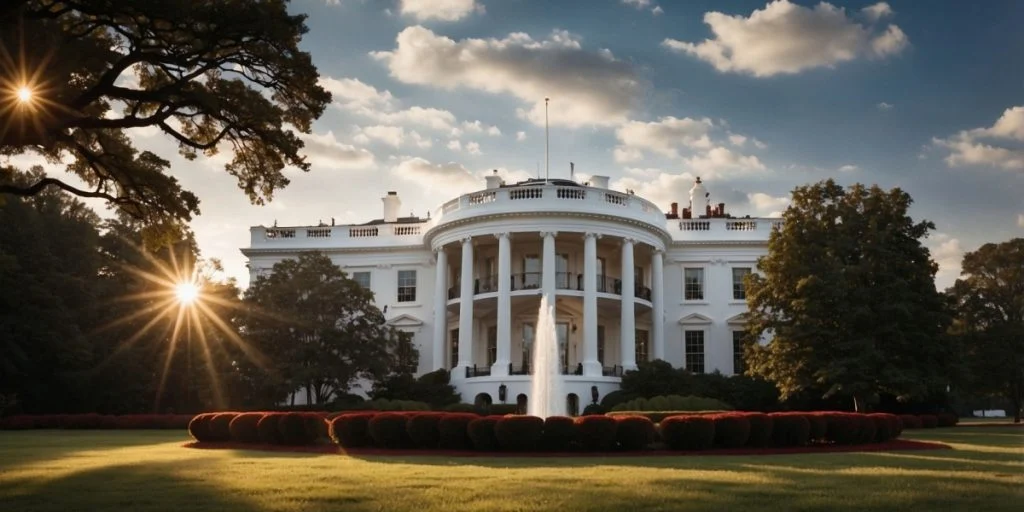
A courtroom decision has abruptly stalled a high-profile redesign of the White House, turning a construction dispute into something much bigger.


What began as a building project is now a test of who ultimately controls changes to one of the country’s most protected landmarks.
The plan focuses on the former East Wing site, where demolition and site preparation has already started.
The proposed ballroom would span roughly 89,000 square feet, significantly larger than the White House’s main Executive Mansion.
Limits tested
A federal judge has ordered work on the $400 million ballroom to stop, ruling that the project cannot move forward without Congress. CNN reported the decision, which directly challenges how far presidential authority can extend over federal property.


Judge Richard Leon was blunt in his reasoning. “The President of the United States is the steward of the White House for future generations of First Families. He is not, however, the owner!”
Rather than treating the effort as a routine upgrade, the court viewed it as a sweeping rebuild. The laws cited by the administration, Leon concluded, are meant for maintenance and limited alterations, not replacing entire structures with new ones.
The ruling pauses most work, though a two-week delay allows time for a potential appeal.
“Greatest ballroom”
The legal challenge came from the National Trust for Historic Preservation, which argued the administration bypassed required approvals. USA Today reports that the order blocks not just construction but also excavation and further site work, except where safety requires it.
Disputes of this kind are rare, as major White House changes have typically followed established preservation processes rather than ending up in court.
Trump has defended the project as a lasting addition, saying, “I think it’ll be the greatest ballroom anywhere in the world.” He responded to the ruling by attacking the preservation group online, calling it a “Radical Left Group of Lunatics.”
The next move is uncertain. An appeal could delay enforcement, while seeking congressional approval would shift the fight into the political arena. Either way, the outcome may set a precedent for how future presidents approach large-scale changes to historic federal buildings.
Sources: CNN, USA Today



