
 Edith Hejberg

According to the UN, only four out of eight humanitarian convoys coordinated with Israeli authorities on Sunday were actually allowed to proceed.


More than 9,000 children in Gaza were hospitalised for acute malnutrition in October, according to new data from the United Nations.
The figures highlight a worsening humanitarian crisis, even two months after a ceasefire was declared. Aid groups say food and medical access remain severely limited.
Ceasefire brings relief, but not recovery

The ceasefire declared on 10 October helped ease the immediate threat of famine across Gaza’s 2.2 million people.
However, aid agencies warn that recovery is slow and uneven. Years of conflict, displacement and sheltering in makeshift conditions have left families vulnerable and children at severe nutritional risk.


UNICEF: infants fighting for survival

“In Gaza’s hospitals I have met several newborns who weighed less than one kilogramme, their tiny chests heaving with the effort of staying alive,” said Tess Ingram, spokesperson for UNICEF.
The agency’s frontline staff continue to witness alarming conditions for newborns and mothers alike.
October figures show deepening crisis

UNICEF recorded 9,300 cases of severe acute malnutrition in children during October alone.
While this marks a drop from a peak of 14,000 in August, it’s still significantly higher than the figures reported during the earlier ceasefire period in February and March of this year.
Pregnant women also severely affected

Roughly 8,300 pregnant and breastfeeding women were also hospitalised for acute malnutrition in October.
UNICEF says this trend is deeply troubling and will likely lead to a surge in low birthweight babies across the Gaza Strip in the coming months.
‘Not over yet’: impact spans generations

“This is not over,” Ingram said. “Generations of families, including those being born now into this ceasefire, have been forever altered by what was inflicted upon them.”
UNICEF warns the long-term impact on children and families will be felt for years.
Aid flow improves, but far below target
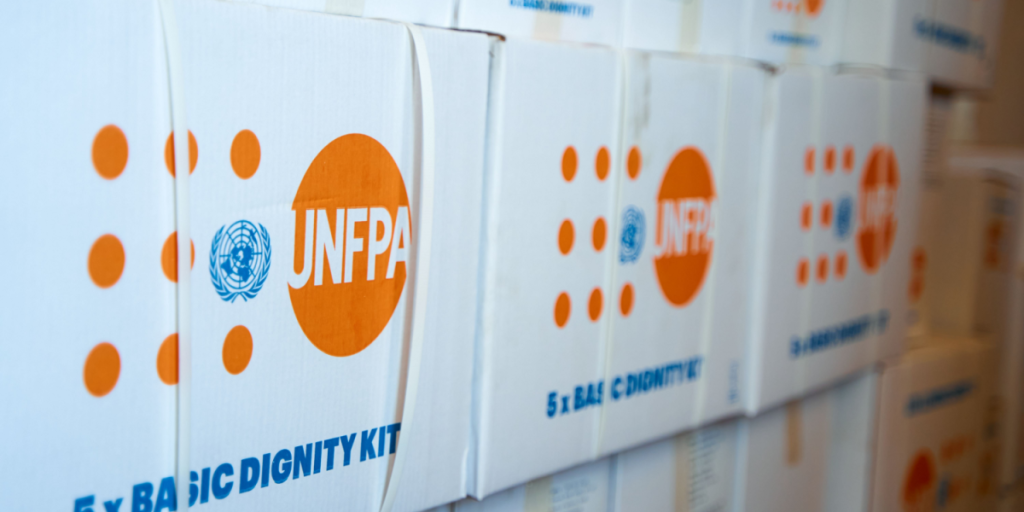
Although the number of aid trucks entering Gaza has increased since the peak of fighting, supplies remain well below the minimum needed. In December, an average of 140 aid trucks have entered daily, far short of the 600 trucks per day agreed under the ceasefire terms.
Gaps in UN-coordinated aid shipments
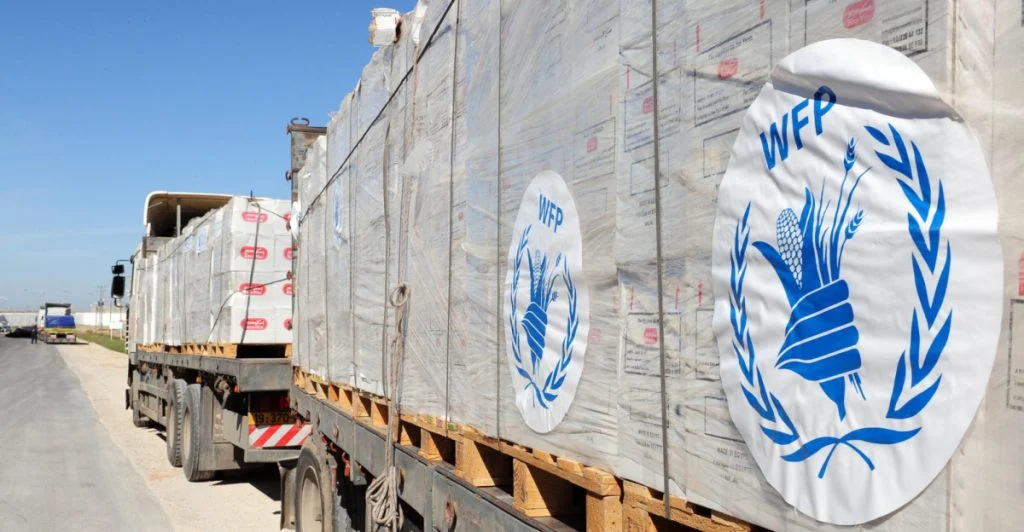
The 140-truck daily average only reflects deliveries organised by the UN and the International Organisation for Migration.
It does not include bilateral aid or commercial shipments, which have increased but still don’t meet the urgent needs of a largely impoverished population.
Aid prices fall, but still out of reach

Commercial shipments have helped reduce market prices for basic goods, but many in Gaza remain unable to afford them.
With little to no income over the past two years and savings long depleted, the majority of families are unable to access even these slightly cheaper supplies.
New aid coordination hub in place

Since the ceasefire, a multinational aid hub, known as the Civil-Military Coordination Centre, has been managing logistics.
Led by the US and Israel, the centre includes input from other countries backing the ceasefire. But questions remain over how much access it actually enables.
Israeli control remains a key obstacle

Despite the new coordination system, Israeli authorities continue to control final approvals for aid convoys.
Diplomats and aid workers say this bottleneck is a major reason why many shipments are delayed or denied entirely, even when pre-approved in theory.
Half of Sunday’s convoys turned away

According to the UN, only four out of eight humanitarian convoys coordinated with Israeli authorities on Sunday were actually allowed to proceed.
This limited access continues to restrict urgently needed supplies, particularly food, medicine and clean water.
Aid agencies call for urgent action

UN agencies and humanitarian groups are urging Israel to lift restrictions and allow full access for humanitarian relief.
Without consistent and adequate deliveries, they warn, malnutrition rates may rise again, deepening the crisis even as the ceasefire holds.



