
 August M
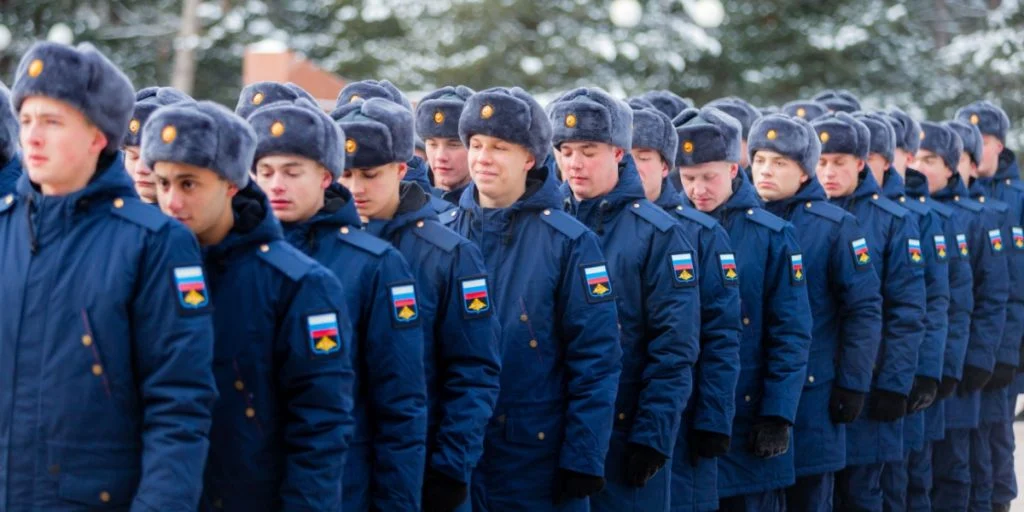
Fresh warnings from European defense officials and intelligence agencies are intensifying concerns that Russia could be capable of confronting NATO within the next several years.


Military planners stress that a large-scale conflict is not inevitable, but argue that the alliance must accelerate preparations if it wants to maintain credible deterrence against Moscow, reports WPTech.
Growing warnings
Germany’s top military officer, Bundeswehr Inspector General Carsten Breuer, said Russia could potentially be ready for conflict with NATO as early as 2029.
Speaking to Sueddeutsche Zeitung and cited by WP Tech, Breuer pointed to Russia’s expanding military production, troop increases, and broader political and economic mobilization as signs of long-term preparation.
The warning follows similar assessments from Germany’s BND intelligence agency and analysts at the Royal United Services Institute (RUSI), who have also suggested Moscow may be rebuilding capabilities for a future confrontation beyond Ukraine.


Some forecasts have suggested an even shorter timeline if fighting in Ukraine slows or ends through a ceasefire.
Eastern flank fears
Security concerns are especially strong among NATO countries bordering Russia.
Analysts cited by WP Tech pointed to Russia’s military buildup near Finland, including the development of facilities for the newly formed 44th Army Corps in Petrozavodsk, located relatively close to the Finnish border.
Officials have also raised alarms over intensified Russian intelligence operations, sabotage activities, and increased defense spending.
Several intelligence agencies now believe Moscow could test NATO cohesion through limited operations rather than a full-scale invasion.
Possible scenarios discussed by analysts include attempts to seize small border areas or disrupt strategic corridors such as the Suwałki Gap linking Poland and the Baltic states.
NATO response
Military experts argue that deterrence depends not only on weapons and troop numbers but also on NATO’s willingness to react quickly and decisively.
Article 5 of the NATO treaty obliges members to assist allies under attack, though it does not specify exactly how or how quickly countries must respond.
For decades, NATO’s deterrent power relied heavily on the assumption that any attack would trigger a united military response.
However, concerns remain about Europe’s ability to rapidly move large military formations across the continent during a sudden crisis.
Mobility problems
According to the report, logistical obstacles continue to limit NATO’s operational flexibility.
These include infrastructure weaknesses such as bridge load limits, transport bottlenecks, and bureaucratic barriers affecting military mobility across borders.
European officials are now working on large-scale infrastructure upgrades aimed at improving troop deployment routes throughout the continent.
At the same time, NATO continues expanding multinational deployments in Eastern Europe to ensure that any attack on frontline states would immediately involve forces from multiple alliance countries.
Analysts say those deployments serve as both a military and political deterrent designed to make Russian escalation far riskier.
Sources: WP Tech, Sueddeutsche Zeitung, BND, RUSI



