
 August M
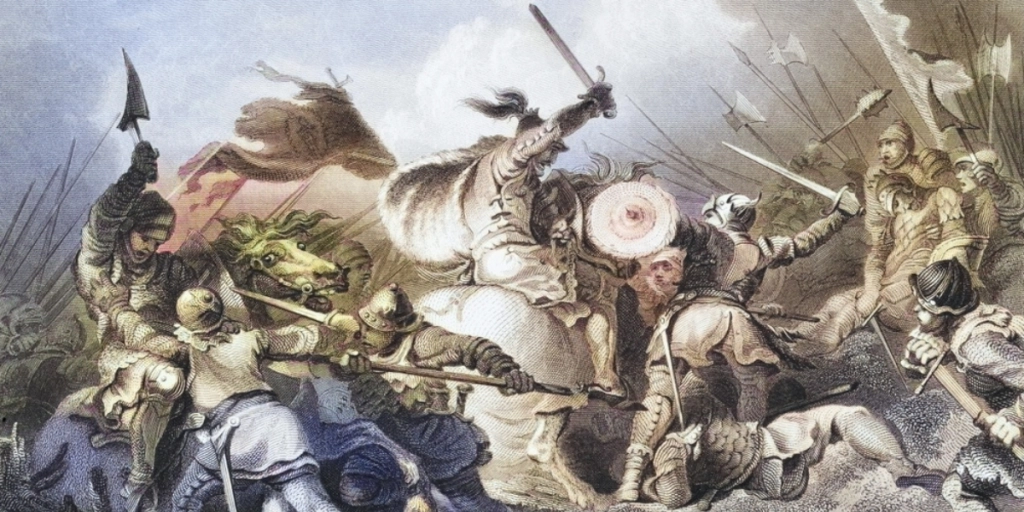
One of Europe’s most iconic battles may not have unfolded as widely believed. New research suggests a key part of the story behind the 1066 Battle of Hastings has been misunderstood for generations.


The findings could reshape how historians view King Harold’s final campaign, reports HotNews.
Old story questioned
For decades, accounts have claimed Harold Godwinson’s army marched roughly 200 miles after fighting Viking forces in the north, leaving them exhausted before facing William of Normandy.
According to HotNews, new research reported by CNN disputes this version of events.
Historian Tom Licence of the University of East Anglia argues the journey south was not made entirely on foot.


Instead, he suggests much of the movement was carried out by sea.
Re-reading sources
Licence’s conclusions stem from a reassessment of the Anglo-Saxon Chronicle.
A key phrase previously interpreted to mean Harold’s fleet had been dismissed may have been misunderstood.
“I realized that when it says ‘the fleet came home,’ it doesn’t mean it was sent to its various ports. The fleet was sent to its home, London,” he explained to CNN.
This interpretation indicates Harold retained naval support rather than dispersing it.
New perspective
Under this view, Harold’s forces may not have been as fatigued as traditionally believed.
After defeating Viking king Harald Hardrada in September 1066, Harold likely returned to London by sea, allowing time for recovery.
He then moved south to confront William, possibly attempting a coordinated strategy involving ships.
However, the naval element may have arrived too late to influence the outcome.
Rethinking Harold
Other historians say the revised account presents Harold in a different light.
“It is a turning point in English history,” said Cambridge historian Rory Naismith, highlighting the lasting impact of the battle.
The new interpretation suggests Harold was a capable strategist rather than an overextended commander.
Licence argued the result may have hinged more on circumstance than poor planning, noting: “It could have been William that day. It could have been Harold.”
Sources: HotNews, CNN



