
 Nicolai Haugsted
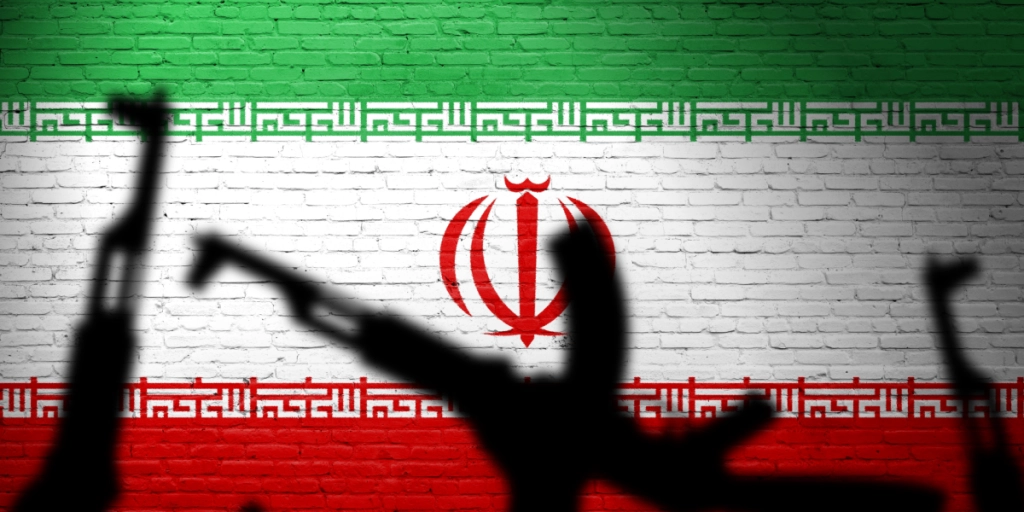
Iran is willing to engage in drastic action, if the United States and Israel tries attacking again.


Fresh uncertainty is surrounding the fragile standoff between Washington and Tehran after a senior Iranian lawmaker publicly floated the possibility of dramatically increasing uranium enrichment levels if the country faces another military strike.
Comments from inside Iran’s parliament have intensified fears that diplomatic efforts aimed at calming the conflict could rapidly collapse if tensions flare again.
Debate now centers around how much of Iran’s nuclear infrastructure survived the recent wave of American and Israeli attacks — and how quickly Tehran could restart key parts of its program.
Iran raises stakes in nuclear dispute
Iranian parliamentary official Ebrahim Rezaei suggested Tehran could move far closer to weapons-grade uranium if hostilities resume.


“One of Iran’s options in the event of a new attack could be enriching (uranium) to 90%. We will examine it in parliament,” said Ebrahim Rezaei.
Click to display external content from twitter,
- You can always enable and disable third-party content.

You agree to display external third-party content. Personal data may be sent to the provider of the content and other third-party services.
Uranium enriched to roughly 90 percent purity is widely considered suitable for military nuclear use.
Statement arrives at a highly sensitive moment after months of fighting between Iran, Israel and the United States pushed the region to the edge of a wider war.
Questions remain after US strikes
Donald Trump previously claimed American and Israeli attacks had severely crippled Iran’s nuclear facilities during the 12-day conflict earlier this year.
American intelligence assessments appearing in recent weeks, however, have painted a less definitive picture.
Uncertainty continues to surround roughly 400 kilograms of uranium already enriched to 60 percent purity before the strikes began.
Experts have repeatedly warned that moving from 60 percent enrichment to weapons-grade levels requires a far smaller technical leap than earlier stages of uranium processing.
Talks remain deeply divided
Diplomatic negotiations between Tehran and Washington remain stalled over what should happen to Iran’s nuclear stockpile.
Iranian officials reportedly want broader nuclear issues postponed until later stages of negotiations, while the United States continues demanding that highly enriched uranium be transferred out of the country entirely.
Washington also insists Tehran abandon domestic enrichment activities altogether as part of any long-term agreement.
Trump stated earlier this week that the ceasefire between the United States and Iran was only surviving through continued pressure, underscoring how unstable the diplomatic process remains behind closed doors.
Military analysts now warn that another direct confrontation could push both sides into a far more dangerous phase of the conflict.



