
 Kenneth Glad
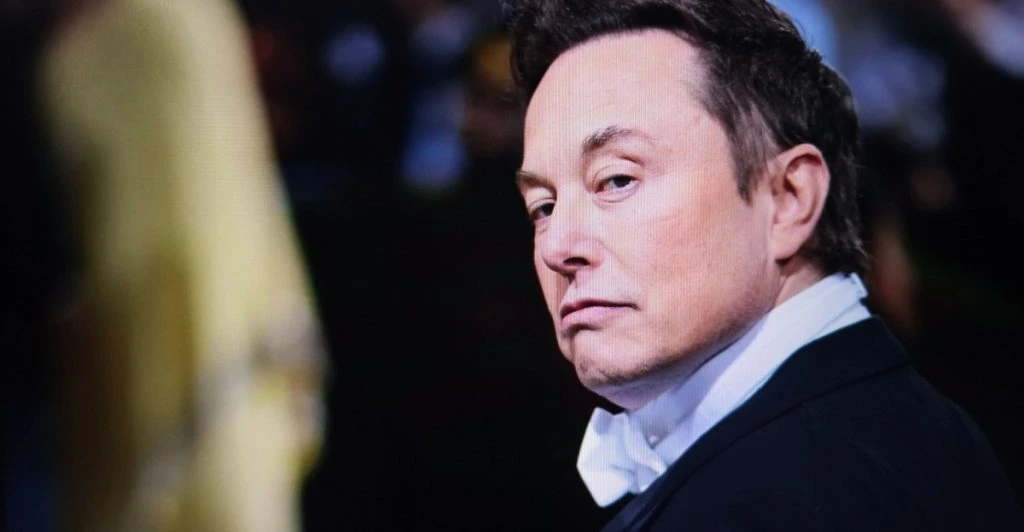
A closely watched technology case has ended without a ruling on the core dispute. The next stage is expected to focus on whether the case was cut off too soon.


Elon Musk plans to challenge the verdict after a California jury rejected his lawsuit against OpenAI, Sam Altman and Microsoft, Ghacks reports.
The decision turned on timing. Jurors found that Musk waited beyond the legal deadline to pursue claims for breach of charitable trust and unjust enrichment.
That means the jury did not decide whether OpenAI misused its nonprofit origins or whether Musk’s accusations were proven.
After the verdict, Musk wrote on X that the outcome rested on a “calendar technicality” rather than “on the merits of the case.”


Click to display external content from twitter,
- You can always enable and disable third-party content.

You agree to display external third-party content. Personal data may be sent to the provider of the content and other third-party services.
Claims narrowed
According to the tech outlet, the jury reached its unanimous decision after roughly two hours of deliberation, following a three-week trial in Oakland.
Once the OpenAI claims failed on statute-of-limitations grounds, claims involving Microsoft were dismissed as a matter of law.
Musk had argued that his early support for OpenAI, including about $38 million, was tied to a charitable mission that should not have been redirected into a commercial structure.
OpenAI denied that version of events and framed the lawsuit as a competitive attack by Musk, who later founded xAI.
The founding mission
The conflict traces back to OpenAI’s early identity as a nonprofit research organization founded in 2015 by Musk, Altman and others.
The trial examined whether later corporate changes betrayed that original setup or reflected a necessary shift in strategy.
Altman testified that Musk supported creating a for-profit model but wanted control over the new entity.
OpenAI lawyer William Savitt argued that the evidence presented at trial undercut Musk’s account of OpenAI’s origins.
Appeal faces challengeF
Reuters reported that legal observers saw a difficult path ahead for Musk. Appeals based on timing findings can be hard to win because higher courts often defer to how juries assessed the evidence and chronology.
OpenAI spokesperson Sam Singer called the verdict “a tremendous victory” and said the case was “an effort by Mr Musk to slow down a competitor.”
The verdict closes one phase of the dispute, but Musk’s planned appeal means the fight over OpenAI’s past and future may continue.
Sources: Ghacks, Reuters



