
 Nicolai Haugsted

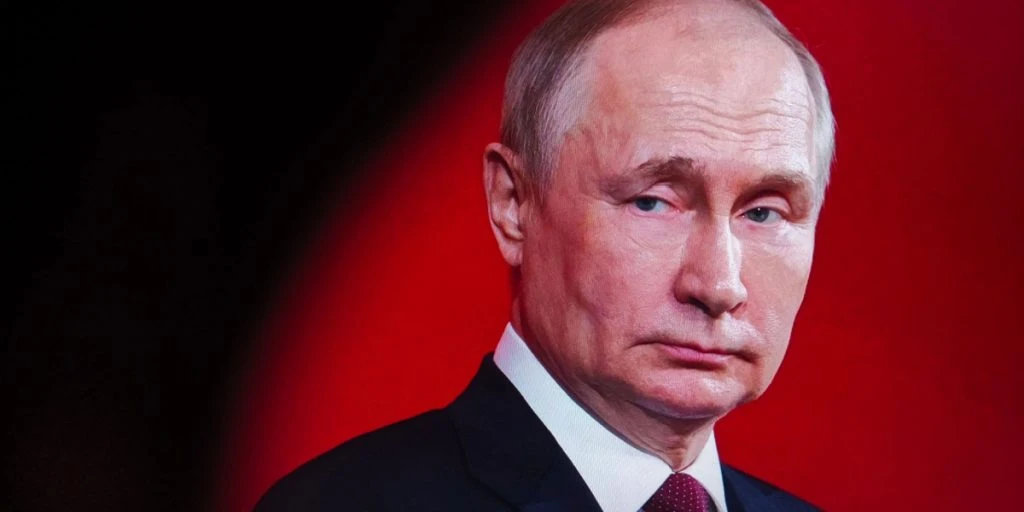
Pentagon reportedly urges European NATO allies to stop making provocative statements about Russia.


Europe’s security relationship with the United States is facing another test as Washington and its NATO allies struggle to agree on how best to confront Russia. The war in Ukraine continues to dominate the continent’s security agenda, while reports of suspected Russian sabotage have intensified concerns about Moscow’s intentions beyond the battlefield.
European governments have increasingly warned about those threats, arguing that their populations need to understand the dangers facing the continent.
But according to four people familiar with recent diplomatic discussions, the Pentagon has delivered a rather different message to some of America’s closest allies.
According to Reuters, US defense officials have privately urged several European governments to soften their public statements about Russia, warning that aggressive rhetoric could undermine regional security.


The requests have reportedly been directed at Lithuania, Latvia and Estonia, three NATO members that share borders with Russia or its close ally Belarus and have been particularly vocal about the Kremlin’s actions.
Pentagon reportedly tells NATO allies to stop provoking Russia
According to Reuters, American officials have raised concerns about the language used by European politicians when discussing Moscow’s military difficulties and alleged activities across Europe.
The conversations took place during bilateral meetings in recent weeks and were described by sources as diplomatic rather than confrontational.
Elbridge Colby, the Pentagon’s senior policy official, was reportedly among those delivering the message.
During one meeting, Colby allegedly advised a Baltic representative against “poking” Russia.
He reportedly highlighted European descriptions of Moscow being “cornered like a rat” as an example of rhetoric Washington considered unhelpful.
Although Reuters could not establish which particular statement Colby was referring to, Estonian Prime Minister Kristen Michal used similar language in September.
Michal described Vladimir Putin as a “rat in a corner” while discussing alleged Russian sabotage and the difficulties Moscow faces in Ukraine.
The Pentagon’s apparent concern is that portraying Russia as desperate or humiliated could increase tensions rather than contribute to European security.
Another European official summarized the American message in particularly straightforward terms.
“We are helping you. The Americans are there,” the official recalled.
“Just don’t be loud. Don’t make noise.”
Trump’s peace efforts appear to be shaping Washington’s approach
The reported requests come as Donald Trump’s administration renews efforts to negotiate an end to Russia’s full-scale invasion of Ukraine, now in its fifth year.
Washington has been exploring possible incentives for Moscow, including sanctions relief, while simultaneously pressing Ukraine to stop targeting Russian energy infrastructure.
The administration has also discussed potential commercial agreements with Russia as part of its diplomatic efforts.
Such proposals have received mixed reactions across Europe, where several governments continue to support economic pressure on the Kremlin.
Against that backdrop, the Pentagon’s reported advice suggests that Washington wants to avoid public statements that might complicate its negotiations.
However, the sources did not establish that the requests were explicitly connected to any particular peace proposal.
Asked about the reported conversations, a Pentagon official declined to address their substance.
“Private conversations among allies are just that, so we will not comment on these allegations,” the official said.
European officials are puzzled by the American message
The reported American approach has surprised some European officials.
One source described the Pentagon’s advice as difficult to understand, particularly because intelligence agencies in the Baltic states have generally played down the immediate likelihood of Russia directly challenging NATO’s collective defense commitments.
Other Western intelligence services have warned that Moscow could expand its campaign of covert operations across Europe.
The disagreement highlights a broader debate within NATO about how openly governments should discuss the Russian threat.
Some officials believe repeated warnings about Moscow’s capabilities risk spreading fear and strengthening the Kremlin’s efforts to intimidate European populations.
Others argue that public transparency is essential if governments expect citizens to support higher defense spending and continued assistance to Ukraine.
In a separate meeting, Pentagon representatives reportedly urged an Estonian delegation to be “measured” in its public communications.
The source describing that encounter did not identify any specific Estonian statement that American officials had criticized.
The defense ministries of Lithuania, Latvia and Estonia did not respond to requests for comment, while NATO declined to discuss the matter.
Suspected sabotage continues to concern European governments
The diplomatic exchanges come amid continuing allegations of Russian-linked activities targeting European countries.
Western intelligence officials have warned that Moscow has increasingly relied on operations designed to be difficult to attribute directly to the Russian government.
German authorities announced Wednesday that two Belarusian nationals had been arrested on suspicion of planning an arson attack against a building or critical infrastructure in the Nuremberg area.
Separately, Germany accused Russia in September of involvement in an attempted drone attack at Leipzig/Halle Airport.
Moscow has denied allegations of involvement in such activities and rejects claims that it is conducting a wider sabotage campaign across Europe.
The incidents have nevertheless contributed to growing concerns among European security officials about threats that fall short of conventional military confrontation.
For countries close to Russia, communicating those concerns has become an important part of preparing the public for potential security challenges.



