
 Kenneth Glad
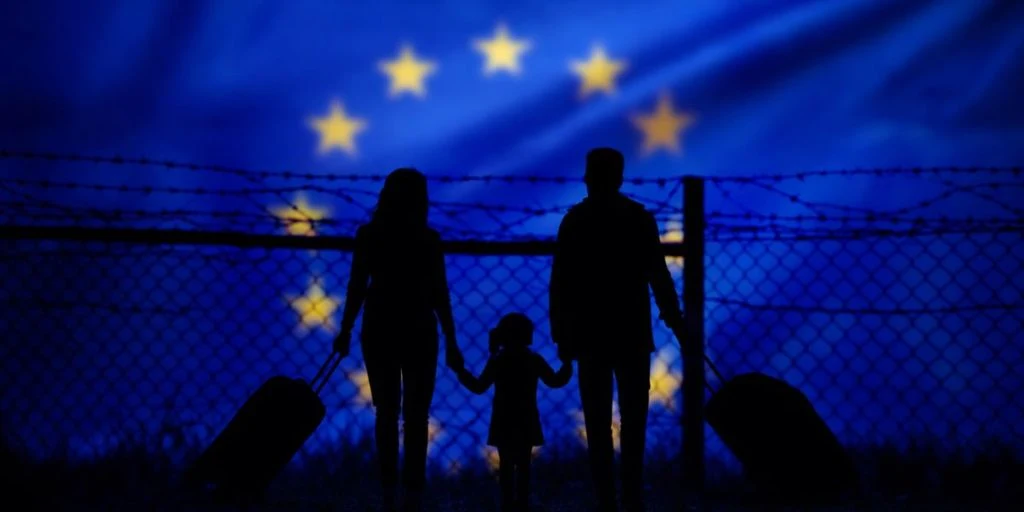
Europe is preparing for potential new migration pressures as instability in the Middle East raises fresh concerns among policymakers.


While no immediate surge has been recorded, officials are increasingly focused on avoiding the kind of crisis that once exposed deep divisions across the bloc.
Debate is already intensifying, with some leaders pushing for tougher safeguards and others warning about legal and humanitarian limits.
Several EU governments are advocating contingency measures following recent US and Israeli strikes on Iran, fearing the conflict could trigger displacement toward Europe. According to Digi24, memories of the 2015–2016 crisis continue to shape decision-making.
Denmark’s Mette Frederiksen and Italy’s Giorgia Meloni said: “We cannot risk a repetition of the refugee and migrant flows to the EU, as happened in 2015-2016.”


Their proposal urges the European Commission to examine emergency mechanisms that could be activated during sudden surges. As the Financial Times reported, options under discussion include temporary border closures under extreme conditions.
This reflects broader divisions inside the EU, where frontline states often favour stricter controls, while others stress asylum obligations.
A debated explanation
Within this context, Migration Commissioner Magnus Brunner has put forward a politically charged interpretation of recent displacement trends. Speaking to the Financial Times, he argued: “It is always Putin who is involved in these big migration waves. It is always about Vladimir Putin.”
He pointed to Russia’s role in multiple conflicts. Moscow’s backing of Bashar al-Assad during Syria’s war, according to UNHCR data, contributed to the displacement of millions and the spike in asylum claims in Europe.
Brunner also referenced Ukraine, where Russia’s 2022 invasion forced millions to flee westward. Around 4.3 million Ukrainians are currently under temporary protection in the EU.
He extended this reasoning to Iran, stating: “Vladimir Putin has supported the regime there,” and concluding: “So he is, in fact, the main factor driving migration to Europe.” Other analysts caution that displacement is shaped by a broader mix of conflict, economics and policy decisions.
Readiness tested
EU officials say there is no current influx linked to Iran. “At the moment, we do not see any flows from Iran… but of course we must remain vigilant, because the situation can change from one day to the next,” Brunner noted.
The bloc has strengthened monitoring tools since the last crisis. Its entry-exit system has logged about 40 million travellers since October, with roughly 19,000 refusals, including 500 on security grounds.
Still, tougher measures remain controversial. Amnesty International said Poland’s suspension of asylum applications at its Belarus border was “inconsistent and incompatible with obligations under international law.”
The challenge is unresolved. If new displacement begins, Europe may again face a difficult balance between control, solidarity and legal responsibility.
Sources: Digi24, Financial Times



