
 August M
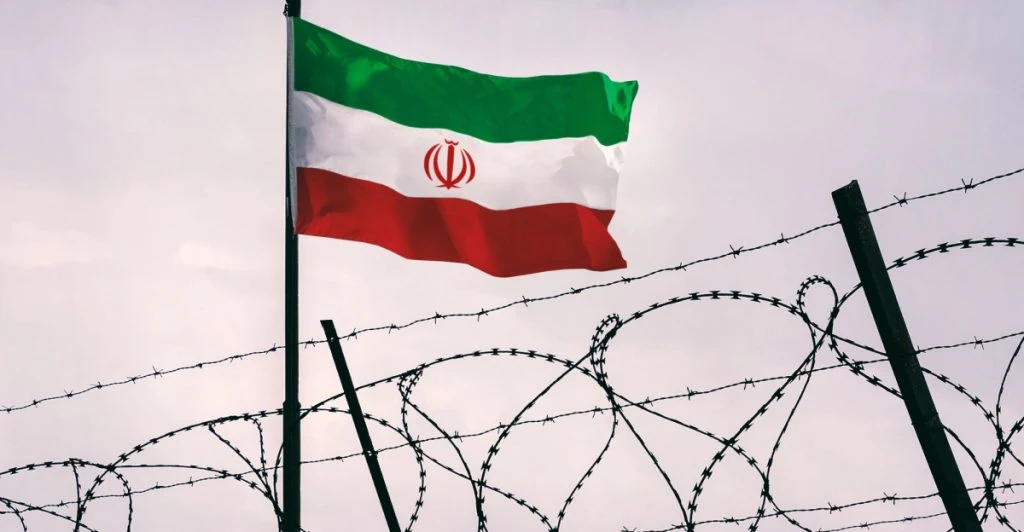
A heated diplomatic clash between Iran and the European Union has escalated tensions over the Strait of Hormuz, with Tehran openly mocking calls from Brussels to reopen the crucial shipping route.
The dispute began after EU foreign policy chief Kaja Kallas urged that international law be respected and that access through the strait remain open, a position Iran quickly rejected.
Iranian Foreign Ministry spokesperson Esmaeil Baqaei responded with a scathing message: “Oh, that ‘international law’?! The one that the EU dusts off to lecture others while quietly green-lighting a U.S.-Israeli war of aggression—and looking the other way on atrocities against Iranians?!” reports Politico.
War of words
Kallas had written on X that “under international law, transit through waterways like the Strait of Hormuz must remain open and free of charge.”
Tehran dismissed the claim, arguing it has the authority to act in its own defense. Baqaei said that “no rule of international law forbids Iran, the coastal State, from taking necessary measures to stop the Strait of Hormuz being used for waging military aggression against Iran.”


He also stated that “unconditional transit passage” cannot apply under current conditions, citing the presence of U.S. military assets near the strait.
Shipping pressure
The exchange comes as traffic through the strait has effectively stalled. Iranian gunboats fired at vessels attempting to pass, halting movement along one of the world’s most important energy routes, according to Politico.
The Strait of Hormuz carries around a fifth of global oil and liquefied natural gas, making any disruption a major concern for international markets.
Iran had previously indicated it would reopen the route but reversed its position following a U.S. naval blockade targeting its ports, a move that threatens its oil exports.
Diplomatic fallout
Several countries have called for the “unconditional, unrestricted, and immediate re-opening of the Strait of Hormuz” after talks in Paris hosted by French President Emmanuel Macron and UK Prime Minister Keir Starmer.
Efforts to resolve the crisis have faltered. Talks between the United States and Iran collapsed after a short-lived truce, with disagreements over Tehran’s nuclear program remaining central.
Iranian President Masoud Pezeshkian said: “Trump says Iran cannot make use of its nuclear rights, but doesn’t say for what crime. Who is he to deprive a nation of its rights?”
Uncertain outlook
The confrontation highlights widening divisions over security, trade and legal interpretations in the region.
As tensions persist, the outcome of diplomatic efforts and control over the strait will likely shape global energy flows and the stability of an already fragile geopolitical landscape.
Sources: Politico



