
 Mikkel Christensen
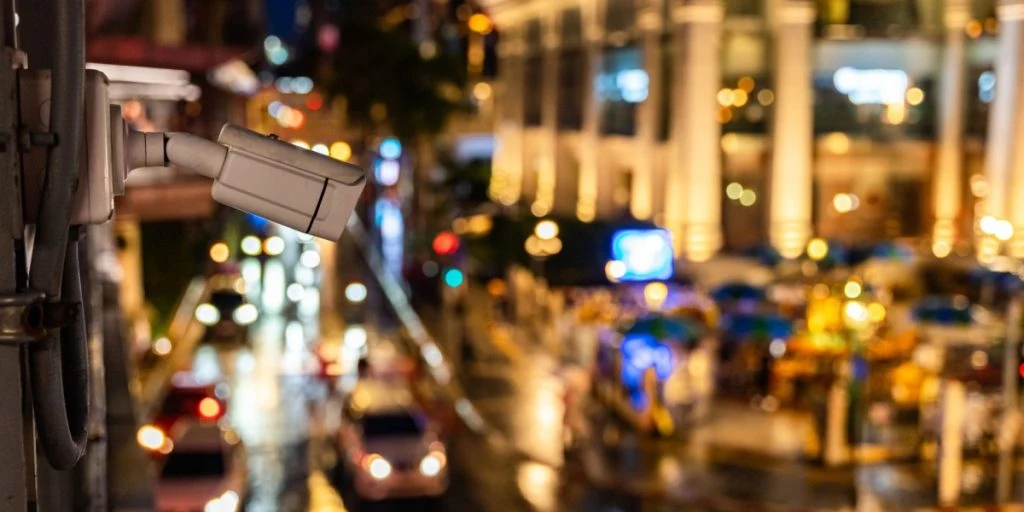
Many drivers expect to see traffic cameras mounted at intersections or above highways.

Many drivers expect to see traffic cameras mounted at intersections or above highways.
But across the United States, another network of cameras is operating quietly, hidden in places motorists rarely notice.
Some of these devices are concealed inside everyday street infrastructure, raising concerns about how vehicles are being monitored.
Hidden in plain sight
According to BGR, the system is operated by the U.S. Border Patrol and extends far beyond the immediate border regions.


The cameras are reportedly hidden inside traffic cones, electrical utility meters, and other roadside objects that appear ordinary to passing drivers.
They are equipped with license plate readers that capture vehicle data and store information about where cars travel and how frequently they move through certain areas.
Cities where such cameras have been identified include Houston, Chicago, Los Angeles, Charlotte, and locations near the Michigan–Indiana border.
Tracking vehicles
The technology does more than record images. It analyzes movement patterns and can flag activity that the system considers unusual.
With the Border Patrol’s budget increasing to billions of dollars, artificial intelligence is being introduced to help process the data and identify vehicles that may warrant attention.
According to BGR, the locations of many of these cameras are kept confidential, even within court filings and official police documentation.
Some drivers have reported being stopped by police after their vehicles were flagged through this system.
Pulled over
In several cases, motorists were initially stopped for routine violations such as speeding or lane discipline.
One example cited by BGR involved Alek Schott, who was returning from a business trip near San Antonio in March 2022.
Police told Schott he had crossed the fog line while driving, which he disputed. After questioning him about his travel and criminal record, officers brought in a K-9 unit and searched his vehicle.
Nothing illegal was found, and Schott later filed a lawsuit claiming he had been improperly targeted.
Growing backlash
Civil liberties advocates argue the technology resembles mass surveillance rather than targeted law enforcement.
Jay Stanley of the American Civil Liberties Union told ABC 7 News: “I think we should all agree that we shouldn’t let immigration become an excuse for the government to set up vast surveillance systems that watch everybody all the time.”
Legal challenges are also emerging. In February 2026, a class action lawsuit in Maine accused Border Patrol agents of scanning the faces of people nearby during searches and threatening to place them on watchlists.
The case reflects broader concerns about how surveillance technology is being used and whether existing laws provide enough protection for ordinary citizens.
Source: BGR



