
 Asger Risom
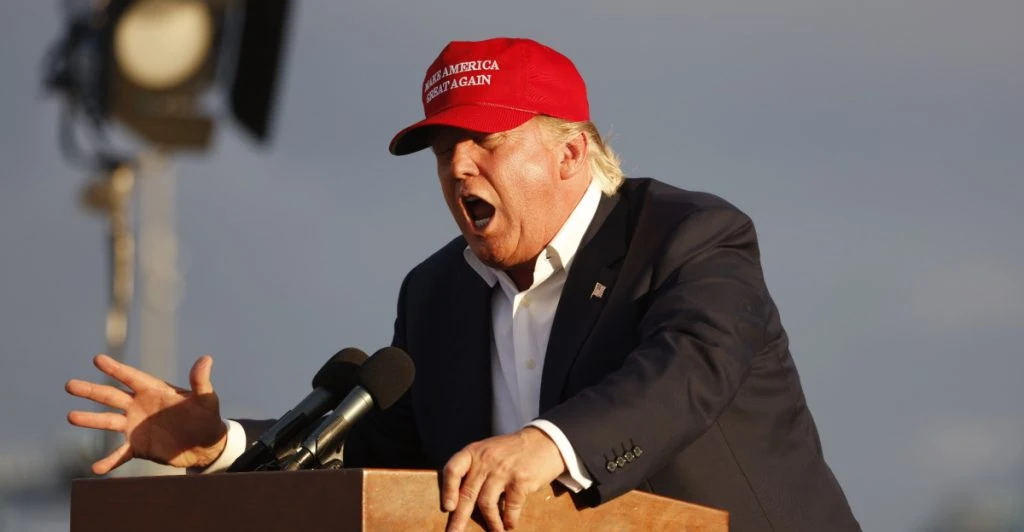
The US is weighing action against NATO allies including Spain, but rules governing the alliance mean kicking a member out may not even be possible.


Tensions inside NATO are rising as the US pushes allies for more support in the Iran war.
But one of the most dramatic ideas now being discussed could face a basic legal problem.
Internal memo details
A Pentagon email outlines possible actions against NATO countries seen as not supporting US operations, a US official told Reuters.
According to Reuters, the concern centres on allies refusing or delaying permission for US forces to use their bases or airspace.
The email describes such cooperation as “just the minimum basic level for NATO” and suggests measures against “difficult” countries.


One proposal includes removing them from key NATO roles.
Spain in focus
Spain is specifically mentioned, with one option suggesting it could be suspended from the alliance.
The move would likely be symbolic rather than operational, but still politically significant.
Spain has refused to allow its territory or airspace to be used for attacks on Iran.
Prime Minister Pedro Sanchez said: “We do not work on the basis of emails. We work on the basis of official documents and government positions, in this case the United States.”
Legal roadblock
However, forcing a country out of NATO is not straightforward.
The alliance’s founding treaty explains how countries can join or leave voluntarily, but does not include any mechanism to expel a member, according to our previous analysis of the treaty.
This means removing Spain against its will would be extremely difficult, if not impossible under current rules.
Experts say NATO is built on consensus and political trust, not enforcement mechanisms.
Limited options
If Spain refuses to change its position, alternatives would likely involve political pressure rather than formal expulsion.
More extreme ideas have been discussed in the past, including dissolving NATO entirely and forming a new alliance without certain members.
Such scenarios are seen as highly unlikely, but they underline the limits of NATO’s structure.
Wider tensions rise
President Donald Trump has criticised NATO allies for not helping reopen the Strait of Hormuz.
He has also raised the possibility of leaving the alliance, asking in a Reuters interview: “Wouldn’t you do it if you were me?”
A Pentagon spokesperson said: “As President Trump has stated, despite all that the United States has done for our NATO allies, they have not been there for us.”
Analysts told Reuters the dispute highlights growing strain within NATO and uncertainty about how far members are willing to support each other.
Sources: Reuters, analysis based on NATO treaty



