
 Nicolai Haugsted
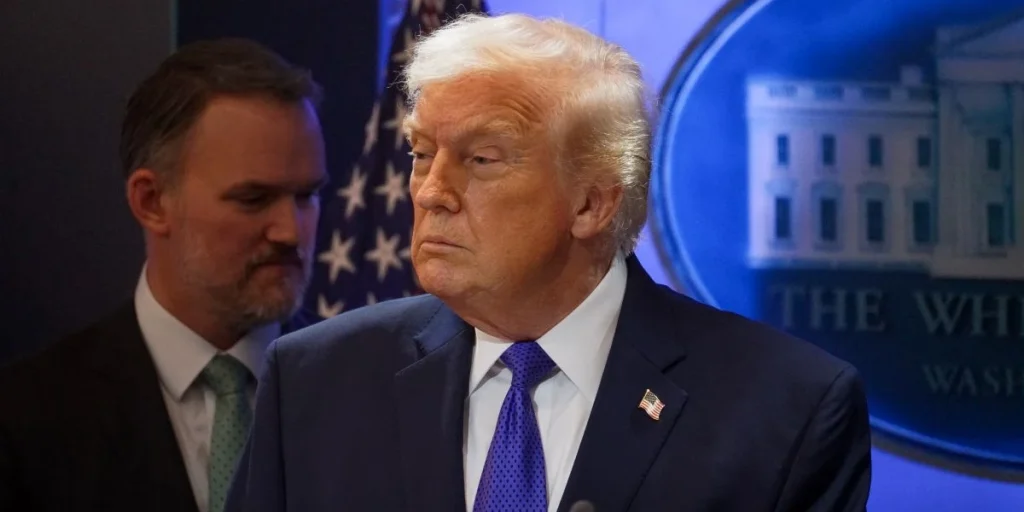
Trump administration races to the Supreme Court after deportation plans to several countries are disrupted.


Donald Trump has made mass deportations one of the defining projects of his second presidency, and his administration has steadily searched for ways to remove people who cannot easily be sent back to their home countries.
One particularly aggressive solution has now landed back at the Supreme Court.
Trump’s administration asked the justices Thursday to revive a policy allowing migrants to be deported to countries other than their own under procedures that lower courts have found fail to provide adequate notice and a meaningful opportunity to argue that they could face persecution or torture there.
More than 25,000 people have already been deported to 29 third countries under the program, according to a tally by human-rights groups cited in the source material. Mexico has received the vast majority.


Now the administration wants America’s highest court to clear the runway again, according to Reuters.
Lower courts put the brakes on Trump’s policy
Thursday’s emergency application followed a significant defeat for the administration at the 1st US Circuit Court of Appeals.
Judges there largely upheld a February ruling from US District Judge Brian Murphy, who concluded that the government’s third-country removal policy violated existing legal requirements governing notice and the opportunity to raise fear-based claims.
Under the appeals court’s ruling, migrants facing removal to another country must receive effective notice of their intended destination and a meaningful chance to argue that they could face persecution or torture there.
Wednesday night brought another setback when the appeals court lifted an earlier pause on Murphy’s ruling.
Plans for removals to several countries subsequently had to be canceled, according to the Justice Department.
Trump’s lawyers wasted little time before turning to the Supreme Court.
Administration says a vital deportation tool is at stake
Justice Department lawyers portrayed the lower-court rulings as a serious obstacle to Trump’s immigration agenda.
Their filing called third-country deportations “an essential tool to remove certain aliens, including some of the worst criminal aliens.”
Officials argue that the mechanism is particularly important when migrants’ countries of origin refuse to accept them.
“While certain aliens may benefit from stalling their removal, the nation does not,” the administration told the Supreme Court.
Government lawyers also warned that abruptly stopping removals could interfere with diplomatic agreements negotiated with countries willing to receive deportees.
Trump has repeatedly presented his immigration crackdown as an effort focused heavily on dangerous criminals. Critics and lower courts, however, have noted that people protected from removal to their home countries may also fall within the third-country system.
South Sudan shows how far the policy can reach
Third-country deportations have sent migrants far beyond neighboring countries.
South Sudan has accepted deportees despite a US State Department warning advising Americans against traveling there because of risks including armed conflict, kidnapping and crime.
Uganda, Equatorial Guinea, Liberia and the Central African Republic are among other destinations used by the administration, according to the source material.
DHS policy distinguishes between countries that provide credible diplomatic assurances against persecution or torture and countries that do not.
Migrants could be removed rapidly where such assurances existed. Other destinations triggered notice requirements, but US officials would assess the danger of persecution or torture only if the migrant personally raised that fear.
Federal courts concluded that approach did not provide sufficient procedural protection.
Lawyers say people need a chance to object
Immigrant-rights groups brought the case in 2025 on behalf of migrants facing possible removal to countries never identified in their original deportation orders.
Their argument was relatively straightforward: somebody about to be placed on a flight to an unfamiliar country should have a meaningful opportunity to say why going there could put them in danger.
Trina Realmuto, an attorney for the plaintiffs with the National Immigration Litigation Alliance, said Trump’s latest Supreme Court filing came as little surprise because administration officials had “repeatedly and publicly stated an intention to do so.”
Realmuto said Wednesday’s appeals court order left little ambiguity about what should happen while the legal battle continues.
“It makes crystal clear no flights or buses should carry out third-country removals,” she said.
The 1st Circuit’s September 18 opinion largely agreed with the challengers on the central due-process dispute, although it rejected part of the lower court’s judgment on separate standing grounds.
Trump has been here before
Supreme Court intervention would hardly be new territory for the case.
Last year, the justices sided with the administration on an emergency basis and paused Murphy’s earlier preliminary injunction, allowing third-country removals to continue while litigation proceeded.
Murphy later issued a final judgment in February 2026.
His ruling declared that affected migrants had a right to meaningful notice and an opportunity to raise country-specific fears before removal. The judge also set aside the administration’s third-country guidance as unlawful.
September’s appellate ruling preserved most of that judgment.
The legal fight therefore arrives at the Supreme Court with a somewhat unusual history: the administration previously persuaded the justices to let the program operate temporarily, but lower courts have since considered the underlying merits and ruled against key parts of it.
Reports of abuse sharpen the dispute
Plaintiffs say the stakes extend beyond legal procedure.
Court filings cited in the source material allege that some deportees have suffered abuse or detention after removal, while others have disappeared.
Plaintiffs also allege that third countries have unlawfully returned some migrants to the very home countries from which they had previously received protection.
Murphy has had a contentious relationship with the administration throughout the litigation.
The judge found last year that government officials had “repeatedly violated, or attempted to violate” his orders while the case was unfolding.
Administration officials maintain that third-country removals are necessary because some migrants with final removal orders cannot otherwise be expelled from the United States.



