Kathrine Frich
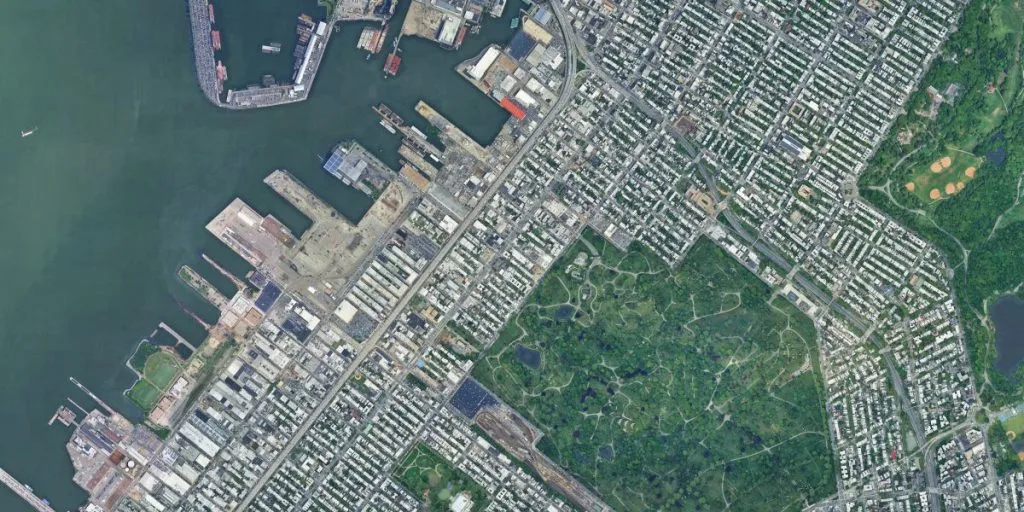
Satellites have become one of the most powerful tools in modern warfare.


From tracking troop movements to identifying targets on the ground, imagery from space now plays a crucial role in military planning and intelligence gathering.
In recent years, commercial satellite companies have made high-resolution images widely available to governments, media organizations and analysts.
But as conflicts intensify, questions have emerged about how easily such information could be used in active war zones.
Images delayed
The US satellite company Planet Labs has extended the delay before releasing satellite imagery from the Middle East.


According to Reuters cited by O2, the California-based firm has increased the waiting period from four days to 14 days.
The move is intended to reduce the risk that commercially available satellite images could be used by adversaries of the United States or its allies during the ongoing conflict in the region.
Temporary restrictions
Planet Labs operates one of the world’s largest fleets of Earth-observation satellites, providing frequently updated images to governments, businesses and media organizations.
A company spokesperson told Reuters that the restrictions are temporary and designed to limit the uncontrolled spread of imagery that could potentially be used to support military operations.
The company said the decision reflects the rapidly evolving nature of the conflict.
Space and warfare
Satellites have become increasingly important in modern conflicts.
Military forces use space-based systems to track missile launches, identify targets, guide weapons and maintain communications.
US officials recently confirmed that the US Space Force played a role in operations linked to the confrontation with Iran, although specific technologies involved were not disclosed.
Commercial satellites change the battlefield
Access to detailed satellite imagery was once limited mainly to major space powers.
Today, private companies operate large satellite constellations that can capture and distribute images of almost any part of the world.
Experts say this shift has already influenced recent conflicts, including the war in Ukraine, where commercial imagery has helped analysts monitor military movements.
Industry specialists note that satellite companies are increasingly using artificial intelligence to analyze images more quickly and identify areas of interest.
“This expert analysis used to be the domain of high-level military analysts, but it is no longer,” said defense industry consultant Chris Moore.
Sources: Reuters, O2.