
 Jens Asbjørn Bøgen
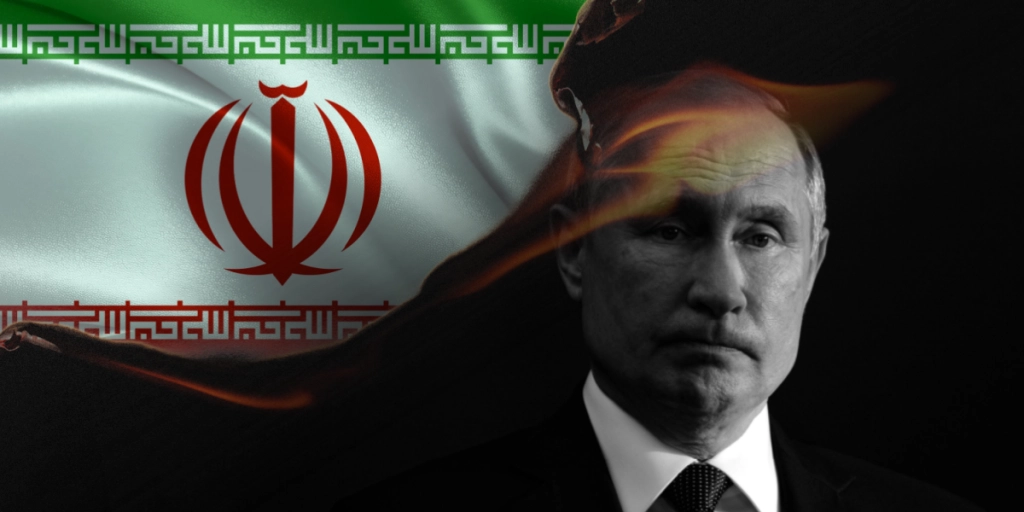
The politician sees some of the same developments in the world now as those that led to the fall of the Soviet Union.

Growing tensions in the Middle East could reshape global security and put new pressure on Russia’s political system – at least that is what Russian opposition politician Gennady Gudkov believes, Dialog.ua reports.
In an interview posted on YouTuber, Gudkov explains that the consequences from the wawr in Iran may extend far beyond the region, potentially accelerating geopolitical rivalry and creating risks for Moscow itself.
He also warned that a renewed global arms race could emerge if the confrontation around Iran escalates.
Echoes of the past
Gudkov, a former member of Russia’s State Duma and longtime critic of President Vladimir Putin, argued that history offers a warning for Moscow. He pointed to the collapse of the Soviet Union, which he said was partly driven by the enormous financial burden of competing militarily with the United States.


According to Gudkov, a similar scenario could unfold again if geopolitical tensions intensify.
He suggested that conflict in the Middle East might become a starting point for a broader strategic competition among major powers. Such a development, he said, could eventually begin a “countdown” for the future stability of the Russian Federation.
Impact on Ukraine
Gudkov also addressed the potential consequences of a widening Middle East conflict for Ukraine.
He warned that if U.S. military support to Kyiv were to weaken due to shifting global priorities, Ukraine should deepen cooperation with European partners.
“If for some reason US assistance to Ukraine weakens, then we need to talk even more with Europe so that it can provide even more extensive supplies of weapons, ammunition and equipment during this period,” Gudkov said.
“I think that the solution to the problem can be found in this direction. I have no doubt that this situation has caused concern in the Kremlin,” he added.
Rising global tensions
The opposition figure argued that Russia’s leadership will likely continue projecting confidence publicly, even if pressures increase internally.
“This tension will increase there, because the day before yesterday it was Syria, yesterday Venezuela, today Iran. But what will happen tomorrow?” Gudkov said.
He also pointed to signs of renewed military competition in Europe, noting discussions about nuclear deterrence and broader defense cooperation among Western states.
“Of course, a nuclear arms race is not a good thing, but we remember why the Soviet Union collapsed — it overloaded itself with an arms race,” Gudkov said.
“Today, Putin’s regime is economically and politically weaker than the Soviet Union was, so Putin could become overloaded with war and an arms race very quickly.”
Sources: Dialog.ua, YouTube interview with Vasily Golovanov, Reuters



