
 Lauge Risom Koch
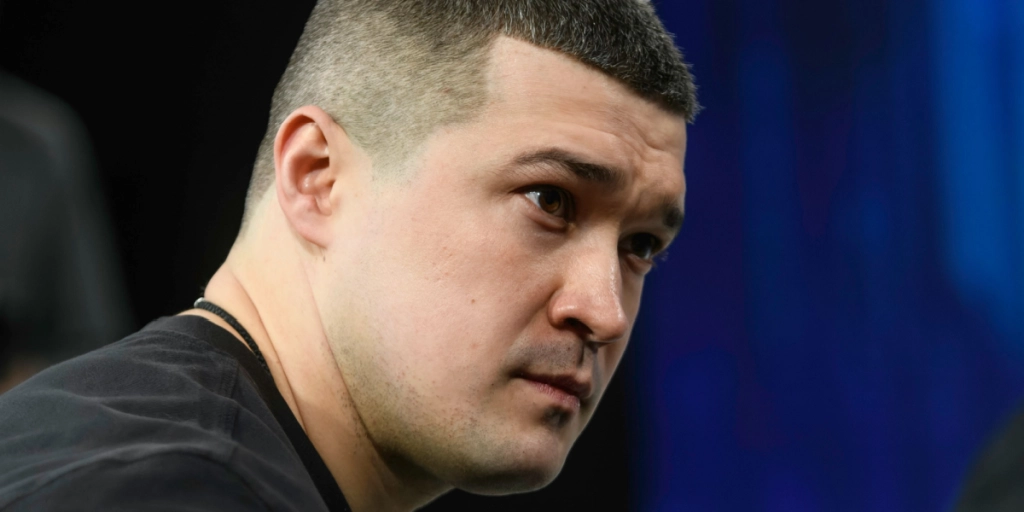
Former Defense Minister Mykhailo Fedorov claimed President Volodymyr Zelensky canceled a proposed June election after learning former army chief Valery Zaluzhny planned to run.

Former Defense Minister Mykhailo Fedorov claimed President Volodymyr Zelensky rejected a proposal to hold presidential elections after learning a key rival would run. According to the Kyiv Post, Fedorov stated in an interview that he personally urged the president to organize a vote in June. The former minister alleged that Zelensky initially prepared to proceed but changed his mind when former army chief Valery Zaluzhny signaled his intent to enter the race.
During their private conversation, Fedorov urged the president to step away from campaign considerations and focus entirely on his political legacy. As reported by Kyiv Post, Fedorov recalled telling Zelensky that holding an election would allow him to stop thinking about electoral politics and start “thinking about your monument.” When the president questioned Fedorov regarding his personal interest in holding the vote, the former minister reportedly replied, “Victory in the war.”
Fedorov outlined a sequential framework where Ukraine would conduct a presidential election followed immediately by parliamentary voting. According to Kyiv Post, the former official did not detail how the government could overcome complex constitutional and logistical barriers during an ongoing invasion. Ukrainian legislation strictly prohibits holding national elections while martial law remains active across the country.
Legal hurdles and Zaluzhny’s political standing
Organizing a wartime election would require complex legal arrangements to ensure millions of citizens can vote safely. As noted by Kyiv Post, election authorities would need to accommodate frontline troops, displaced citizens, and millions of Ukrainians residing abroad. Ukraine postponed its regularly scheduled 2024 presidential election due to martial law, leaving Zelensky in office until a successor takes over under constitutional provisions.


Although Zaluzhny currently serves as ambassador to the United Kingdom, he has not formally declared a political candidacy. According to Kyiv Post, senior officials previously discussed the severe political risks of a competitive campaign between Zelensky and his former commander. Public opinion polls indicate strong support for military leaders, with a June survey revealing that Zaluzhny maintains 73% trust and 21% distrust among citizens.
Analysts attribute high trust ratings for military figures to a growing public desire for military leadership in post-war governance. As highlighted by Kyiv Post, neither the president’s office nor Zaluzhny has publicly commented on reported discussions regarding the presidential race. Concerns remain that a high-stakes campaign during active conflict could dangerously fracture national unity.
Former ally becomes vocal government critic
Fedorov previously stood as one of Zelensky’s closest political allies and key strategists. According to Kyiv Post, he spearheaded the digital campaign behind Zelensky’s 2019 victory before serving as minister of digital transformation and later heading the defense ministry. After leaving government during a cabinet reshuffle in July 2026, the former minister began speaking openly about necessary political reforms.
Some members of the presidential administration now view their former colleague as a potential political opponent. As reported by Kyiv Post, Fedorov argued that entrenched resistance to his military procurement reforms contributed directly to his abrupt dismissal. Despite the friction, Fedorov stated he would “100%” return to lead the Defense Ministry if offered the position again.
The former minister emphasized that active public engagement prevents him from stepping away from national security debates. According to Kyiv Post, Fedorov maintains that Ukraine must address structural political challenges even as military operations continue. His outspoken commentary signals growing political maneuvering as key figures contemplate the country’s post-war political landscape.



