
 Edith Hejberg

Digital Development Minister Maksut Shadayev told lawmakers there was “ample evidence” that foreign services had accessed Telegram data.

Telegram has denied allegations that foreign intelligence agencies can read messages sent by Russian soldiers fighting in Ukraine.
The statement follows remarks by a Russian minister suggesting such data had been used in combat.
The company insists its encryption remains secure and uncompromised.
It says the accusations are part of a wider campaign against the platform.
Moscow tightens pressure on the app
Russian authorities have stepped up efforts to restrict Telegram.
Media regulator Roskomnadzor introduced new limits that sparked public criticism.
Officials argue the app failed to remove what they call “extremist” content.
The dispute has added to tensions over online freedom in Russia.
Minister cites “ample evidence”
Digital Development Minister Maksut Shadayev told lawmakers there was “ample evidence” that foreign services had accessed Telegram data.
He claimed the information was used in operations against Russian forces in Ukraine.
The comments marked a sharp escalation in official rhetoric.
They also raised fresh security concerns.
Telegram calls accusations a fabrication
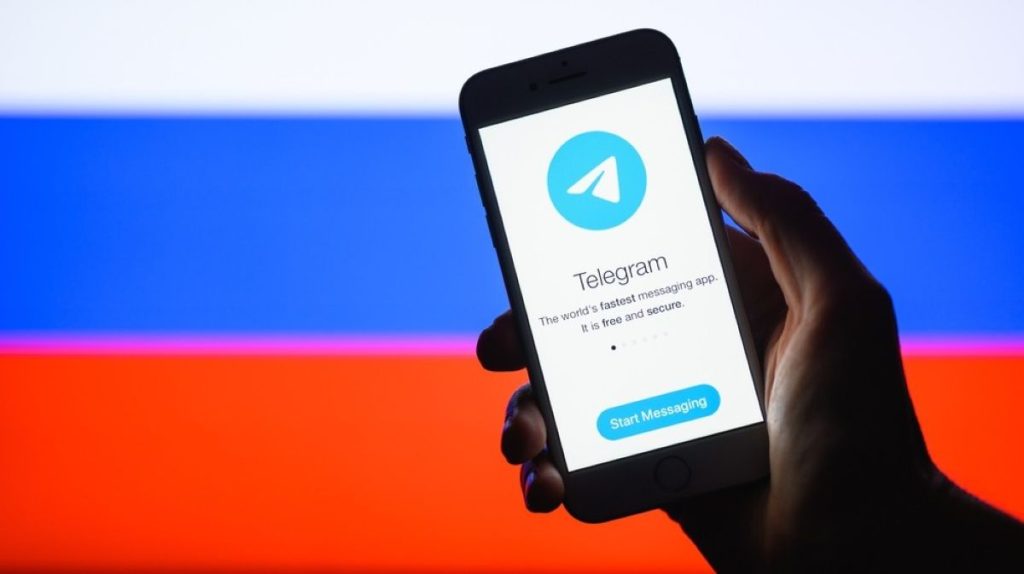
In comments to Reuters, Telegram rejected the allegations outright.
“There have never been any breaches of Telegram encryption,” the company said.
It added: “The Russian government’s accusation that our encryption has been compromised is a deliberate fabrication.”
Telegram argues the claims are meant to justify further restrictions.


Claims of forced migration to MAX

Telegram says authorities want to push users toward a new state-owned messaging app called MAX.
Critics describe MAX as a tool designed for close monitoring of citizens.
The company argues the campaign is aimed at weakening its presence in Russia.
It frames the issue as a fight over digital independence.
Warnings of “mass surveillance and censorship”

Telegram stated that accusations against it “are intended to justify banning Telegram and force citizens to use a state-controlled messaging platform designed for mass surveillance and censorship.”
The company portrays the pressure as politically motivated.
Officials have not publicly responded to that specific charge.
The clash reflects deep mistrust between the platform and Moscow.
A lifeline for millions

Despite mounting criticism, Telegram remains widely used across Russia.
Millions rely on it for private communication and breaking news.
It has become a central space for political debate and updates.
For many users, it offers faster access to information than traditional outlets.
Downloads surge after restrictions
After Roskomnadzor announced new limits, demand for workarounds increased.
Downloads of apps that allow Telegram access without a VPN rose sharply.
The surge underscored how reluctant users are to abandon the platform.
It also showed the limits of enforcement.
Western governments raise concerns
Telegram has also faced criticism outside Russia.
Western officials argue its moderation policies allow misinformation and coordinated propaganda to spread.
These concerns have added to the app’s global scrutiny.
The company has defended its approach as protecting free expression.
Pavel Durov under investigation
Telegram’s billionaire founder, Pavel Durov, has been under criminal investigation in France since 2024.
Prosecutors allege the platform facilitated organized crime, illegal transactions, and the spread of child abuse material.
The case has drawn international attention.
Durov has not been convicted of any crime.
Even the Kremlin stays active
Despite the crackdown, Russian authorities continue to use Telegram.
The Kremlin and the Ministry of Defense publish official updates on the app.
That ongoing presence highlights Telegram’s reach and influence.
It also reveals a contradiction in state policy.
“Telegram has replaced mainstream media”

Analysts say the platform now plays a central role in Russia’s media landscape.
“Telegram has replaced mainstream media in Russia,” said Tatiana Stanovaia of the Carnegie Russia Eurasia Center.
She added, “People interested in politics and a large part of the Russian elite follow Telegram channels to stay informed.”
The app has become essential for political insiders and observers alike.
Toward a “sovereign internet”

Moscow continues to promote what it calls a “sovereign internet,” aimed at reducing reliance on foreign platforms.
Roskomnadzor’s moves against Telegram follow earlier restrictions on Instagram and YouTube.
WhatsApp, the country’s most popular messaging service, was fully blocked earlier this month.
“Now a truly sovereign internet is emerging, that is, a Russian internet that does not resemble the generally accepted international one,” said activist Mikhail Klimarev.



