
 Jens Asbjørn Bøgen

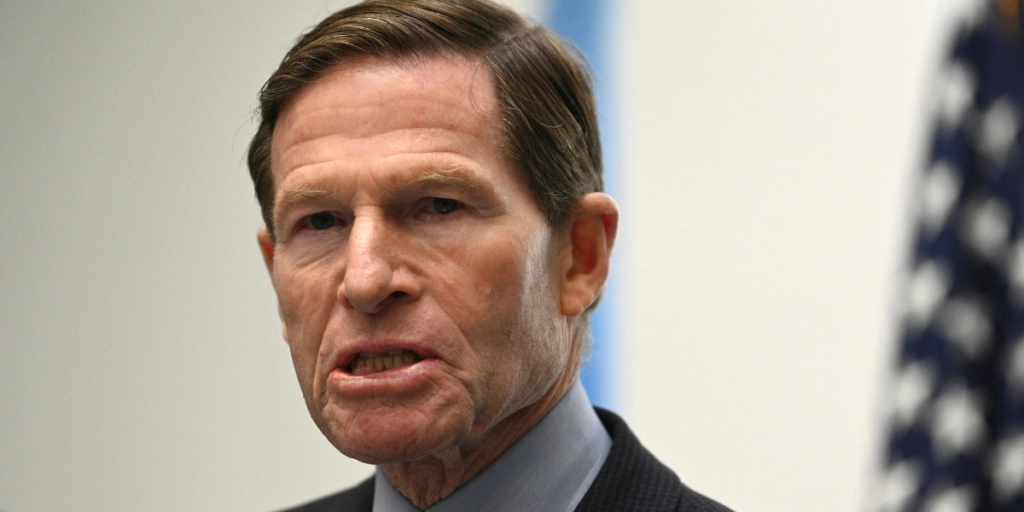
The Democrat makes it clear that “no President can unilaterally override a statute”, referring to the 2022 ban on import of Russian oil.

A massive tanker is currently slicing across the Atlantic toward the East Coast, and lawmakers in Washington want it stopped immediately.
Flying the flag of Malta, the Agioi Fanendes carries about 40,000 metric tons of Russian diesel. It set sail from a Russian terminal on October 22, heading straight for the Port of New York and New Jersey.
Senator Richard Blumenthal wants that journey halted right away. Writing on the social platform X, he urged Greek firm Eastern Mediterranean Maritime Limited to steer the ship away from American waters.
Blumenthal also dispatched a formal demand to the company’s chief, Athanasios Martinos. The letter sets a strict October 31 deadline for the firm to hand over full records on the buyers, sellers, insurers, and terminal handlers behind the cargo.


Click to display external content from x,
- You can always enable and disable third-party content.

You agree to display external third-party content. Personal data may be sent to the provider of the content and other third-party services.
Defying the ban
Behind the scenes, the voyage highlights a bitter power struggle. The US Treasury recently granted General License No. 135 to clear the shipment as part of President Donald Trump’s fuel arrangement with Moscow. Even so, lawmakers insist that executive paperwork cannot erase federal statutes.
Congress passed the Ending Importation of Russian Oil Act back in 2022 to shut down these transactions. In his warning, Blumenthal underscored that dividing line. “The President may have issued a license to facilitate this transaction, but only Congress can make it legally valid.”
Violation of 2022 law
The lawmaker followed up with an unmistakable warning directed straight at the crew on board. “Turn around while there is still time. If you deliver the diesel, you will violate a very explicit law passed in 2022 that prohibits the importation of Russian fuel. No president can unilaterally override a law.”
He is not the only lawmaker pushing back. Representative Jamie Raskin previously told industry groups that taking Russian fuel risks $1 million fines and up to 20 years in prison. In Raskin’s view, corporate buyers act entirely at their own peril until Congress votes to lift the ban.
Trump’s diesel deal
Following an October 2026 call between President Donald Trump and Vladimir Putin, Donald Trump announced a deal on import of Russian diesel to the US in an attempt to lower surging domestic fuel prices ahead of the midterm elections.
To relieve pressure on US trucking and agriculture, Moscow agreed to export an initial batch of over 300,000 metric tons of diesel, with commitments to scale shipments through 2027.
To facilitate the deliveries, the US Treasury issued General License No. 135, temporarily authorizing the purchase, maritime transport, and commercial import of Russian-origin diesel through April 2027. The administration defended the waiver as necessary executive relief, marking a sharp pivot from prior secondary energy sanctions.
The deal drew fierce pushback from international allies and Capitol Hill. While foreign partners warned it weakened the unified sanctions front against Moscow, congressional lawmakers argued the executive license directly violates the statutory import ban established by the 2022 Ending Importation of Russian Oil Act.



