
 Kenneth Glad

Across the globe, the ghosts of old empires still quietly dictate how millions live their private lives. In dozens of former colonies, penal codes drafted centuries ago continue to restrict basic personal freedoms. But in the Caribbean, an old order just cracked.


London’s Privy Council, serving as Trinidad and Tobago’s highest appeals court, has struck down the country’s ban on gay sex. The decision sweeps away colonial-era penalties that carried up to five years behind bars, according to CNN.
Activist Jason Jones spearheaded the challenge. Born in Trinidad and living in Britain, Jones won his initial case in 2018 before a local appeals bench reversed the ruling. He pushed forward anyway, taking the fight straight to London.
Ahead of the ruling, Jones told CNN his campaign went far beyond one statute. “My case is not just about decriminalizing (gay sexual acts in) countries in the Commonwealth that carry these British colonial-era laws. It’s about making people aware (of) how homophobia is being weaponized to take away our democratic rights,” he said.
Ancient rules unravel
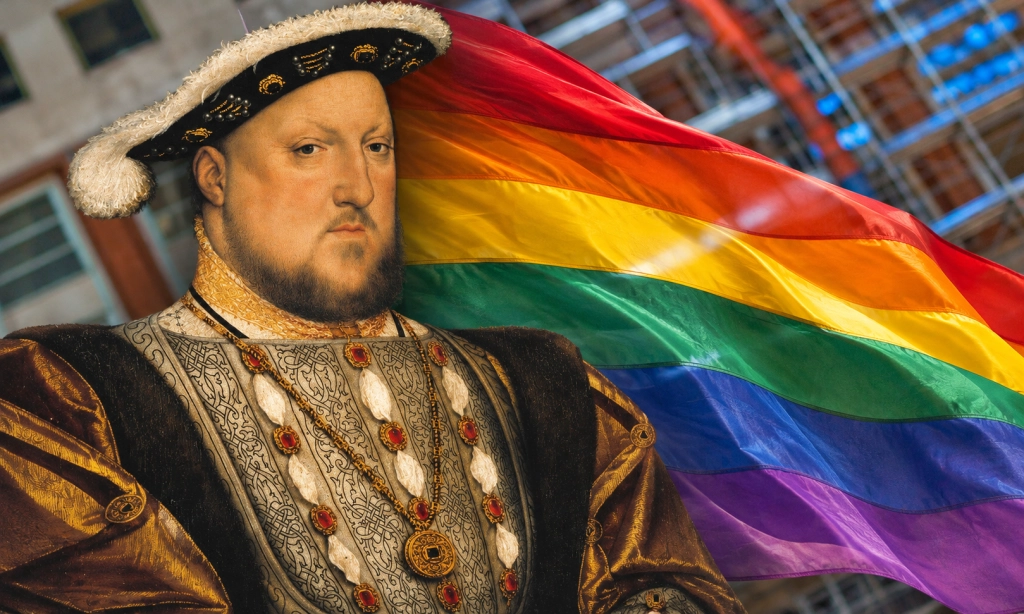
The outlawed measures originated under King Henry VIII in sixteenth-century England. Imperial administrators carried the ban to Trinidad in 1925. Decades later, local lawmakers doubled down in 1986 by increasing prison sentences and targeting women, CNN reported.


That 1986 revision proved fatal for the state’s defense. Because parliament updated the code after independence, attorneys argued it lost constitutional protection as an inherited British statute.
Jones argued that local officials could no longer hide behind imperial history when defending discrimination against their own people. “This is no longer blaming Henry VIII and the British. This is our own homegrown homophobia,” he told CNN.
The ultimate irony
Across the wider Caribbean, the historic London ruling immediately triggered intense political pressure on neighboring governments. At least four other former British territories, including Jamaica and Guyana, continue to criminalize sex between men under nearly identical colonial statutes.
Courtroom battles could follow swiftly. Because several regional islands still treat London’s Privy Council as their final court of appeal, legal experts say judges will struggle to ignore this precedent.
Even so, leaning on a British court to secure modern civil rights feels surreal. Ria Mohammed of the Caribbean Centre for Human Rights noted the tension.
“That is the ultimate irony, and it also is a moment for us to sit and reflect about what are we really doing?” she said.



