
 Kenneth Glad

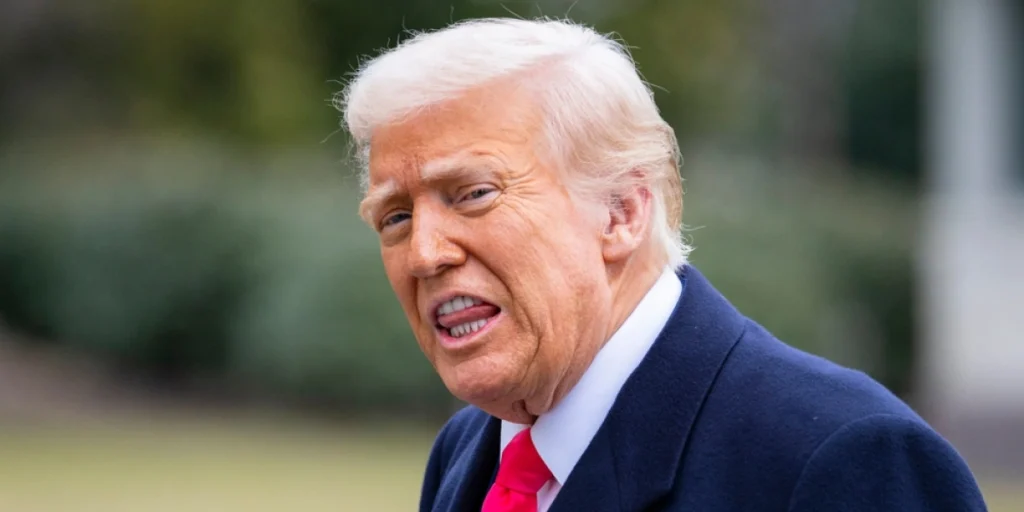
Elections across the Americas often send shockwaves far beyond national borders. When voters in a heavyweight nation head to the polls, the ripple effects can shake international alliances and rewrite regional game plans overnight.

Donald Trump seemed set to expand his sphere of influence across South America, according to The Guardian. Rightwing leaders had already secured victories in countries like Argentina and Chile, and the White House aimed to bring Latin America’s biggest economy into line.
Brazilian voters interrupted that run on Sunday. Leftwing incumbent Luiz Inácio Lula da Silva won re-election by 4.3 million votes, securing a new term right as he celebrated his 81st birthday.
Defeated far-right candidate Flávio Bolsonaro quickly boarded a private jet bound for Miami. Observers noted that his sudden departure stood in stark contrast to his earlier promises to remain home and challenge the new administration.
Walking a line
The defeat is widely viewed as a major setback for Washington’s regional strategy. Benjamin Gedan, director of the Stimson Center’s Latin America program, told The Guardian that the outcome “just flies in the face” of Trump’s image of foreign policy success.


Even so, Trump offered only lukewarm complaints about the vote. While he called the election “really strange” and noted it was “terrible to see,” he made sure to distance himself from the contest, insisting, “I wasn’t involved.”
Political analysts expect Trump to move on rather than wage a costly feud. Former Bernie Sanders adviser Michael Paarlberg said Trump knows how to spot a winner and pointed to his warm words for Brazil’s veteran leader: “I like Lula, I get along with him very well.”
Eyes on business
Senior officials in Brasília expect a pragmatic working relationship with Washington. Lula’s foreign policy adviser Celso Amorim declared that Bolsonaro’s political faction suffered a decisive blow, yet he stressed that Brazil still wants balanced diplomatic ties.
While conservative figures like Steve Bannon urged the White House to cut trade links entirely, experts suggest shared economic interests could win out. Brazil holds massive reserves of critical minerals, and both leaders may ultimately find room to cut a deal.



