
 Kenneth Glad

A high-level policy discussion exposed underlying disagreements about priorities and long-term direction. The exchange reflected growing scrutiny over how major decisions are being shaped and justified.
A congressional hearing meant to examine defense spending quickly revealed deeper tensions about U.S. strategy abroad.
Lawmakers did not limit themselves to budget figures, instead pressing officials on the broader consequences of ongoing military commitments.
The atmosphere in the room reflected that shift, writes The Daily Express. Questions sharpened as members tied rising costs at home to decisions being made overseas.
A budget under intense scrutiny
Members of the House Armed Services Committee were reviewing a proposed $1.5 trillion defense budget for 2027.


According to the British newspaper, this would represent the highest level of military spending in U.S. history, prompting concern about how such funding would be justified.
Some lawmakers focused on the domestic impact. With inflation still affecting essentials like food and fuel, critics argued that the Pentagon had not clearly explained how the increase would translate into measurable outcomes.
Representative Ro Khanna pushed repeatedly for specifics, saying he had been given “vague platitudes” rather than detailed answers.
War with Iran shapes the debate
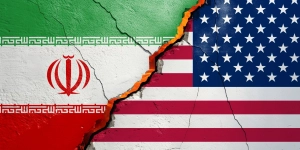
The wider backdrop to the hearing was the ongoing U.S.-Israeli campaign against Iran, which began on February 28.
That conflict has become a central point of concern in Washington, particularly as costs mount and progress remains uncertain.
Vice President JD Vance has also come under scrutiny. Early coverage referenced by the Daily Express suggested he may have differed from President Donald Trump on the initial decision to strike Iran.
Since then, however, he has publicly supported the administration’s position. The Independent noted his involvement in diplomatic efforts that have yet to produce a breakthrough, adding to questions about the administration’s overall approach.
Heated exchanges highlight political stakes
As the session continued, exchanges grew more pointed. Khanna directed a personal criticism at Defense Secretary Pete Hegseth, linking policy decisions to voter expectations.
He said: “You know what I’m sad for? I’m sad for all the people who voted for Trump. I’m sad for them because you betrayed them. You betrayed a lot of that MAGA base. And you know who knows that? JD Vance knows that.”
Hegseth reacted by shaking his head and closing his eyes but did not interrupt.
Questions over nuclear claims resurface
Soon after, questioning returned to substance. Lawmakers raised inconsistencies in earlier statements about Iran’s nuclear capabilities.
One committee member challenged Hegseth directly: “Whoa whoa whoa whoa. We had to start this war, you just said, because the nuclear weapon was an imminent threat. Now you’re saying it was completely obliterated?”
Hegseth replied that Iran had not abandoned its “ambitions,” indicating that concerns over its nuclear programme remain unresolved.
By the end of the hearing, no clear consensus had emerged. Lawmakers continued to call for firmer data and a clearer long-term strategy, underscoring how closely budget decisions are now tied to the trajectory of the conflict.
Sources: Daily Express, The Independent



