
 Kenneth Glad

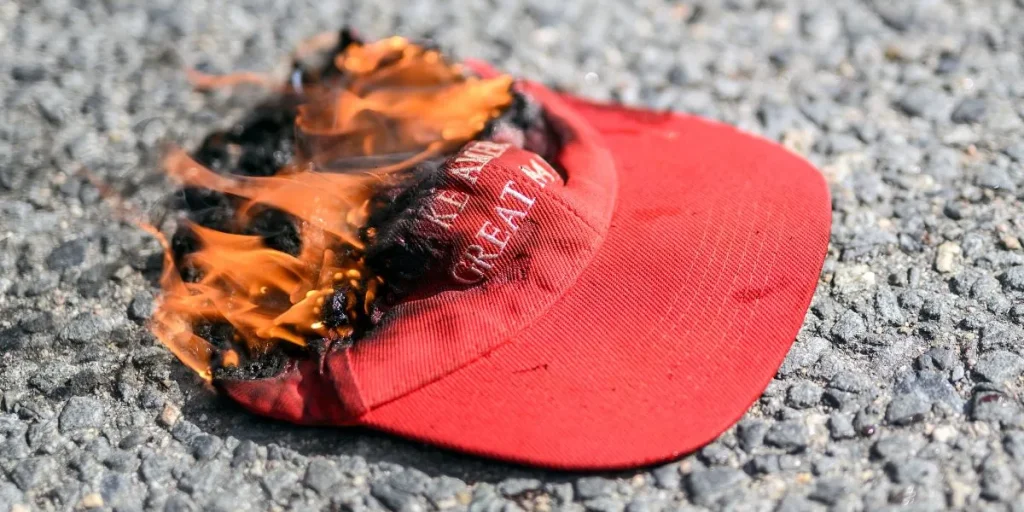
Spending a decade building your life around one political movement leaves little room for a backup plan. Once the flags come down, an empty space remains. How loyal followers handle that sudden void has less to do with politics and everything to do with human psychology.


After Democrats swept Congress on November 3, 2026, political commentator Lucas Bean posted a video examining how political movements unravel. The landslide defeat shattered MAGA claims of a silent majority.
For 10 years, followers wore Donald Trump’s name on their clothes, flew his flags, and broke family ties over him. Bean links that devotion to 2009 University of Texas at Austin research on “identity fusion,” where personal identity merges with a leader.
Loss hits differently when a movement defines you. Bean says that instead of asking, “Who do I vote for now?” former Trump loyalists face a far heavier question: “Who am I now?”
Explaining away the loss
Facing reality after years of loyalty hurts. Rather than admit they were wrong, many followers look for ways to explain the defeat away, a reaction psychologist Leon Festinger called “cognitive dissonance” in his 1956 University of Minnesota study.


Festinger studied members of a doomsday cult waiting for aliens to rescue them from a flood. Once the predicted disaster passed, followers with little invested slipped away, while those who had sacrificed the most doubled down and tried harder to recruit.
Today, Bean notes, admitting failure means saying, “I was wrong.” To protect their pride, diehards blame betrayal, a stolen election, or the deep state, fueling angry talks of civil war.
Turning inward after defeat
Losing movements also turn on their own members, often attacking insiders harder than political rivals. Writing in The Dispatch, Mark Tooley highlights how that infighting erupted among evangelical voters right after the midterms.
Turnout numbers sparked the feud. While evangelicals still backed Republicans by 82 percent, Tooley reports their share of all voters fell from 23 percent in 2024 to 17 percent.
After one prominent voice misread the exit poll data, other commentators urged churchgoers who stayed home to “repent” and called on their pastors to step down.
Meanwhile, author Eric Metaxas insisted, “God has chosen President Trump for this hour.” His defiance shows how tightly loyalists still cling to the movement.



