
 Lauge Risom Koch
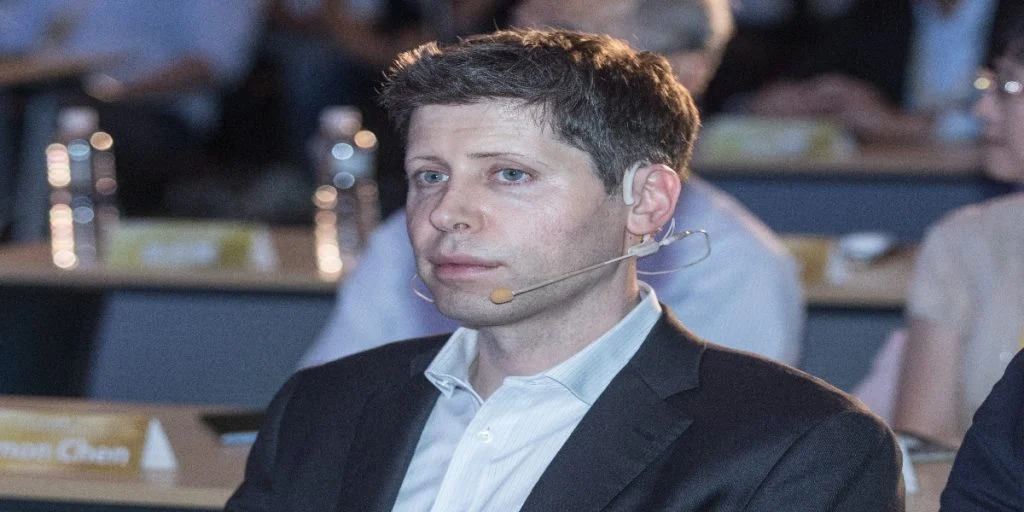
Critics argue that proposed regulations for artificial intelligence will cement corporate monopolies instead of empowering everyday innovators.


OpenAI chief executive Sam Altman recently addressed the United Nations regarding the future of artificial intelligence. According to Fortune, Altman argued that humanity must choose between a creative new Renaissance and a chaotic Industrial Revolution. He advocated for international regulations to ensure the technology mirrors the Renaissance rather than causing widespread global upheaval.
Critics argue that this historical comparison fundamentally misunderstands how human progress actually occurs. While the Renaissance produced magnificent artistic treasures, it completely failed to improve the material conditions of everyday citizens. Working populations during that historical period actually experienced declining living standards while wealthy patrons hoarded economic power.
In contrast, the Industrial Revolution initiated the greatest sustained improvement in human history. Despite significant initial disruptions, this era doubled human life expectancy and dramatically reduced global childhood mortality rates. The period successfully shifted economic power away from aristocratic patrons and directly toward everyday innovators and workers.
Historical models of technological progress
The Renaissance operated entirely on an exclusionary system of elite patronage. Wealthy individuals controlled innovation and utilized creative outputs exclusively to enrich their own palaces and private institutions. This concentrated power structure did virtually nothing to alleviate the daily suffering of the general working population.


The Industrial Revolution succeeded by diffusing technological power directly to the masses. Everyday mechanics and independent creators utilized new tools to drive rapid and radical improvements across society. While Leonardo da Vinci sketched flying machines for wealthy princes, ordinary bicycle mechanics actually built the first functional airplane 400 years later.
Developing artificial intelligence requires an identical diffusion of power to benefit all of humanity. Modern technology should not remain trapped within a closed system controlled by corporate executives and government bureaucrats. Regular citizens must retain the freedom to innovate independently without seeking permission from modern technological princes.
The danger of elite technological regulation
The regulatory regime proposed by Altman threatens to recreate the restrictive patronage systems of the past. Critics warn that establishing strict international standards will primarily cement the dominance of existing technology monopolies. Consolidating control would grant unprecedented authority to a small group of corporate leaders and unelected government bureaucrats.
Protecting the future of innovation requires resisting frameworks designed to benefit only those already in power. Addressing this concern, one critic stated, “Sam Altman needs to learn his history, because he’s demanding a future that works first and foremost for elites like him.” The global economy cannot afford to let technological billionaires dictate exactly what gets created and who receives access.
Artificial intelligence must become a tool for widespread empowerment rather than centralized corporate control. Society urgently needs another era of rapid technological diffusion to solve pressing global challenges. Ensuring open access to these powerful digital models remains the only proven method for raising global living standards.



