
 Christine Drews Sieger
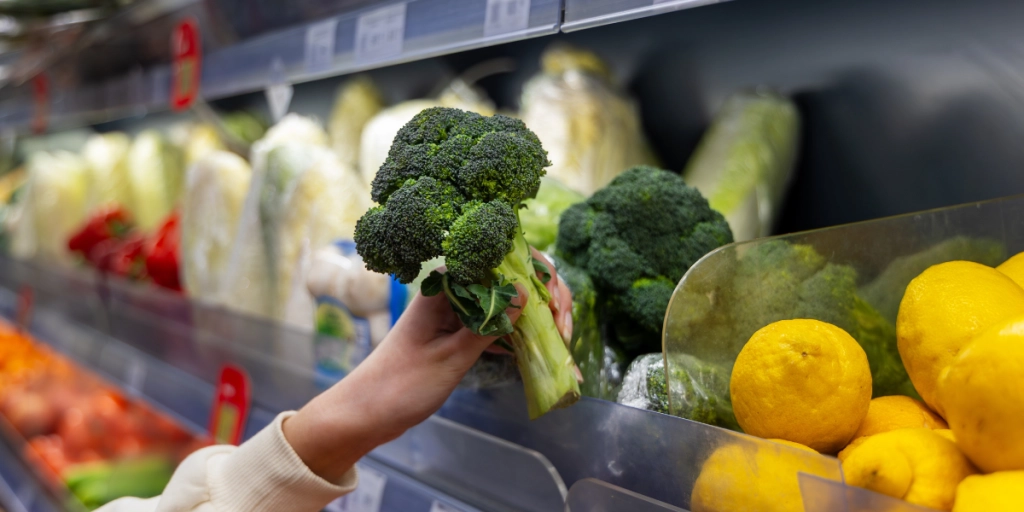
A severe UK heatwave has damaged crops and triggered record low yields, forcing retailers to brace for higher prices and smaller produce.


A severe heatwave and prolonged dry spell have severely damaged crops across the United Kingdom this summer, leaving British farmers facing record low yields.
According to the Met Office, cited by BBC, England and Wales just experienced their driest July in 190 years, triggering official drought status in broad regions.
Projections from the Energy and Climate Intelligence Unit suggest a shortfall of 2.5 million tonnes in key UK crops like rapeseed, oats, and barley.
Total output is expected to hover around 19.5 million tonnes—a historically low figure not seen since tracking started four decades ago.


£390 million revenue losses
This catastrophic drop represents roughly £390 million in direct revenue losses for local agricultural businesses.
Because these foundational crops supply animal feed along with supermarket staples like cooking oil, the financial pain will quickly ripple through the entire food sector.
Shoppers should prepare for noticeable changes in grocery aisles, where lighter yields and smaller crop sizes will soon translate into higher bills or reduced package volumes.
Tim O’Malley, chairman of Nationwide Produce, offered a blunt assessment during an interview on BBC Radio 5 Live’s Wake Up to Money program.
Smaller veggies ahead
“I think we’re going to see shrinkflation,” O’Malley told BBC’s Radio 5 Live, explaining that stressed crops will force retailers to charge the same price for visibly smaller vegetables.
“The problem we’re going to have this year is a massive reduction in yield and major quality issues,” O’Malley said, adding that British distributors are already turning to international suppliers just to stock basic produce items.
“We’re importing broccoli and iceberg from Spain at this time of year, which in August is unheard of,” O’Malley noted when describing the unprecedented market shifts.
He summed up the overall situation starkly: “Loud and clear, it’s grim out there. I think it’s as bad as it’s ever been.”
Facing the climate
Industry leaders warn that these immediate market disruptions reflect a far more dangerous long-term trend for domestic agriculture.
Tom Lancaster, a land analyst at the ECIU, highlighted that UK farming has become “the sector most exposed to climate change and the risks and damage that it brings.”
Martin Lines, head of the Nature Friendly Farming Network, echoed those concerns, describing this year’s harvest as a “real kick in the teeth” after high summer temperatures destroyed early seasonal promise.
“I’ve never known it this dry and hot on our farm,” Lines said, noting that even long-time climate sceptics in the agricultural community are now deeply worried about the survival of their enterprises.
Looking ahead, ongoing heatwaves will force supermarkets to rely even more heavily on foreign imports, driving food prices up while leaving consumers with smaller produce.
As extreme weather patterns intensify across Europe, both farmers and shoppers will have to adapt to an increasingly unstable and costly food supply chain, BBC reports.



