
 Mikkel Christensen
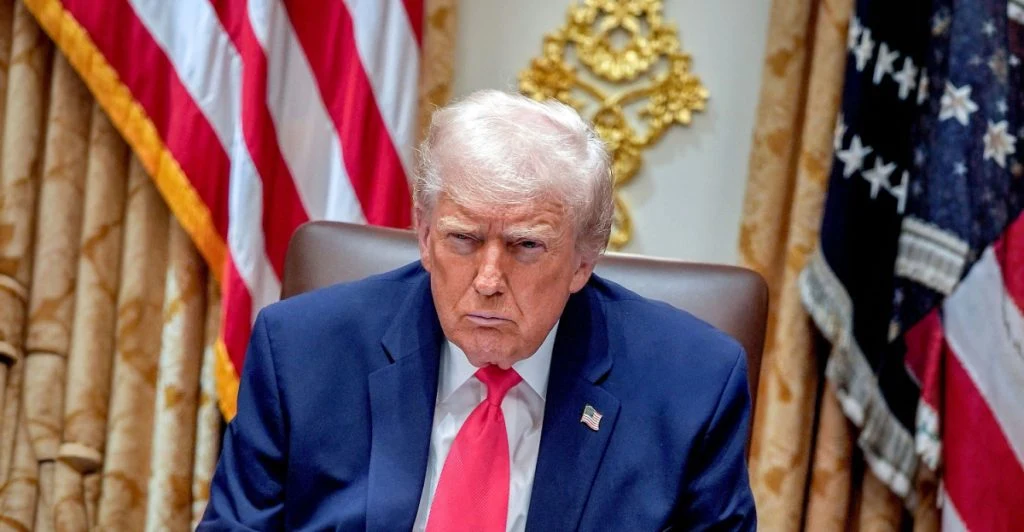
Donald Trump has accused Iran of using artificial intelligence to influence global opinion, opening a new front in tensions between Washington and Tehran.

Donald Trump has accused Iran of using artificial intelligence to influence global opinion, opening a new front in tensions between Washington and Tehran.
His comments reflect growing concern over how digital tools are being used to shape narratives in international conflicts.
According to Wirtualna Polska, Trump said Iran is deploying AI as a “desinformation weapon” and claimed some Western media operate in “close coordination” with Tehran to spread AI-generated “fake news”. He did not provide evidence.
Speaking later aboard Air Force One, he added: “AI can be very dangerous, we have to be very careful with it.”


Conflicting accounts
Some of the examples referenced by Trump are disputed by independently verified reporting.
Footage showing large crowds in Iran supporting Mojtaba Khamenei became one point of contention.
Trump said images of “250,000” supporters were “completely AI-generated” and that the gathering “never happened”.
Independent reporting indicates the event did take place, although no confirmed attendance figure exists.
He also pointed to Iranian reports describing a successful strike on the US aircraft carrier USS Abraham Lincoln. That claim appeared in Iranian state media but gained little traction in major Western outlets.
What can be verified
Separate reporting has focused on an incident near Iraq’s Basra port on March 11, where two tankers caught fire. According to Reuters, the vessels were struck by boats carrying explosives, indicating a real attack rather than fabricated imagery.
The contrast between these accounts shows how quickly competing narratives can emerge, especially when visual content spreads online before verification.
A shifting battleground
The dispute highlights a broader shift in modern conflict, where information itself has become a strategic tool.
Manipulated or misleading visuals have circulated widely in recent Middle East tensions, sometimes depicting events that never occurred. Analysts warn that AI is making such material more convincing and easier to produce.
There is still no independent evidence supporting several of Trump’s specific claims. However, the wider concern is clear: distinguishing fact from fabrication is becoming increasingly difficult.
Sources: Wirtualna Polska, Reuters



