
 Kathrine Frich

The war in Ukraine is no longer confined to the front lines.

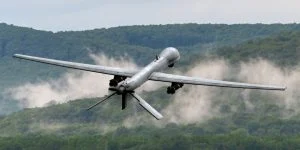
Drone attacks increasingly strike deep inside Russian territory. Critical infrastructure, including energy facilities, has come under growing pressure in recent weeks.
Now, authorities are scrambling to reinforce defences.
Veteran call-up
Officials in Russia’s Leningrad region have launched a recruitment drive targeting former soldiers to strengthen air defence units, according to regional authorities cited by Moscow Times.
Governor Alexander Drozdenko said new “mobile fire groups” will be deployed to protect key sites from aerial attacks.


He urged veterans of the Ukraine war, along with former Soviet and Russian troops, to sign three-year contracts.
Defence boost
The region plans to expand its air defence network by adding 54 new units to the existing 80 by June 1.
The move follows a rise in Ukrainian drone strikes targeting oil export infrastructure in the area.
Drozdenko said air defence systems have intercepted 243 drones in the region since the start of the year.
Strategic impact
Attacks on major oil terminals have disrupted exports, with estimates suggesting a 40% drop in capacity.
Energy exports remain a crucial source of revenue for the Russian state.
Repeated strikes have exposed vulnerabilities in infrastructure far from the battlefield.
Border pressure
Drozdenko warned of the region’s growing exposure, saying: “We have the longest border with the countries of the unfriendly NATO bloc.”
“Our region has become not only a border area, but also a frontline area,” he added.
Senior Russian officials have accused Finland and the Baltic states of allowing Ukraine to use their airspace for drone strikes.
Sources: Moskva News Agency, Moscow Times.



