Kathrine Frich
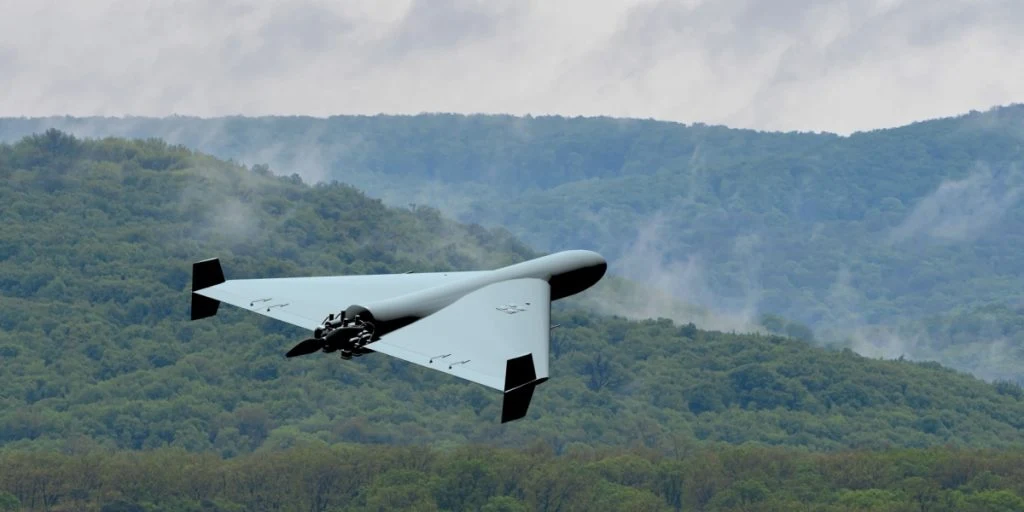
Drones now track nearly every movement along the front, turning even routine operations into high-risk missions.


According to reporting by the Kyiv Independent, Ukrainian soldiers attempting to rescue wounded comrades are often quickly detected from above.
This has made one of the most basic acts of war, saving the injured, far more dangerous than before.
A harsh reality
Medics say that for critically wounded soldiers, survival is increasingly unlikely.
“If it’s a critical injury, it’s usually lethal,” said a Ukrainian medic known by the callsign Winnie.


He explained that injuries to areas like the head, chest or torso are often impossible to treat under current conditions.
Trapped and exposed
Evacuating the wounded has become one of the most dangerous tasks on the battlefield.
Carrying an injured soldier slows movement and makes troops easy targets for Russian drones.
Vehicles often cannot approach closer than several kilometres to the front, leaving soldiers stranded for hours, days, or even longer.
Waiting for rescue
In many cases, wounded soldiers must wait for an evacuation that may never come.
Commanders cannot always predict when it will be safe to move, even as they continue to promise help is on the way.
According to medics, delays like these drastically reduce the chances of survival.
Robots as a lifeline
To reduce risks, Ukrainian forces have increasingly turned to unmanned ground vehicles to evacuate the wounded.
These robotic systems can transport injured soldiers without exposing others to danger.
However, their use remains limited, and not all units have access to them.
Under constant threat
Even these systems are not safe.
Russian forces monitor evacuation routes and target both robots and roads with drones and explosives.
“Logistics is the blood of war,” said medical officer Dmytro Styranets, describing the growing challenge.
A changing war
Drones are now responsible for the majority of injuries on the battlefield.
According to frontline medics, around 90% of wounds are caused by shrapnel from drone strikes.
Unlike artillery, which relied partly on chance, these attacks are often precise and unavoidable.
Fighting the odds
Even when wounded soldiers reach medical points, survival is not guaranteed.
Medics say the most severely injured rarely make it that far, and those who do often face long odds.
For those working on the front lines, the emotional toll is immense.
“Even when you know (the hope for) a person is gone and there won’t be an evacuation, you still try to give him hope,” Winnie said.
Accepting the reality
Medical teams continue to adapt, improving training and refining battlefield care.
But the nature of the war means that not every life can be saved.
“We need to learn to accept the reality of war,” said surgeon Andrii Telezhnyi.
As the conflict drags on, that reality is becoming harder to ignore.
Sources: Kyiv Independent