
 Lauge Risom Koch


Over 1.13 million Russians traveled to Georgia, Armenia, and Serbia in the third quarter of 2026 as rumors of renewed military mobilization accelerated draft evasion.
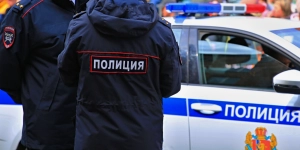

Russian citizens traveled to Georgia, Armenia, and Serbia in record volumes during the third quarter of 2026 as rumors of an impending mobilization wave intensified. According to the Kyiv Post, border data from Russia’s Federal Security Service (FSB) cited by the independent outlet Verstka revealed that 1.13 million Russians entered the three countries between July and September. The influx marks the highest departure figure recorded to these destinations in 17 years.
Georgia recorded the largest intake, with 660,300 Russian arrivals—an increase of 43,300 compared to the previous record set during the same period in 2025. The volume was 43% higher than the influx observed during Russia’s September 2022 mobilization, which saw 461,200 cross into the country. Armenia registered 402,300 arrivals, marking its highest quarterly total since 2010, while Serbia logged 64,800 Russian travelers.
The surge in travel coincided with a sharp increase in departure inquiries and residential leases across regional hubs. Internet searches on Yandex for emigration pathways and visa-free destinations reached their highest level since early 2023. Relocation agencies noted a substantial increase in requests, with the Relokats project reporting that Russians submitted “nearly twice as many emigration requests as before,” while real estate agents in Tbilisi and Yerevan registered a 30% increase in demand for long-term apartment rentals.
Recruitment deficits and escalating frontline losses
The outflow of military-age citizens occurs as the Russian Defense Ministry encounters widening shortfalls in contract recruitment quotas. According to Ukraine’s Foreign Intelligence Service (SZRU), the Russian armed forces had recruited approximately 195,000 contract soldiers by mid-July, missing the mid-year target of 204,500 personnel. Moscow’s annual recruitment goal stands at 409,000 contract enlistees for 2026.


Recruitment intake continues to lag behind estimated casualty figures along the front line. The SZRU estimated that Russian military casualties reached 196,700 personnel in 2026 by mid-July, including roughly 115,300 irrecoverable losses and 80,400 wounded soldiers. Verstka corroborated that voluntary military enlistment has slowed across the country despite the introduction of larger regional signing bonuses.
In Moscow, voluntary enlistments fell by approximately one-third in the spring of 2026 compared to the same period in 2025. To avoid the political fallout of a formal mobilization order, the Kremlin has pressured regional administrations to satisfy recruitment targets through alternative methods. Regional authorities have increasingly concentrated enlistment efforts on debtors, criminal suspects awaiting prosecution, and conscripts nearing the completion of their mandatory service.
Intelligence warnings and preparatory mobilization measures
Ukrainian intelligence assessments indicate that Russian planners have prepared structural mechanisms to draft 600,000 additional soldiers across 2026 and 2027, setting an annual target of 300,000 recruits. Ukrainian President Volodymyr Zelensky warned that the Kremlin is preparing another mobilization initiative, stating that Moscow aims to enlist “between 300,000 and 500,000 additional troops for the war.”
On August 11, Zelensky stated that Ukrainian intelligence had obtained internal Russian military documents confirming arrangements for a rapid call-up of over 100,000 soldiers following the September State Duma elections. The planning documents indicated that regional administrative infrastructure had been prepared to process large intakes of recruits swiftly once directives were issued.
Evidence of administrative preparations surfaced in September when Russian men reported unexpected drafting measures during standard bureaucratic procedures. Citizens summoned to local military commissariats to verify personal registration details discovered formal mobilization orders pre-inserted into their military identity books. These administrative procedures have exacerbated public apprehension, driving further cross-border departures to neighboring states.



