
 Mikkel Christensen
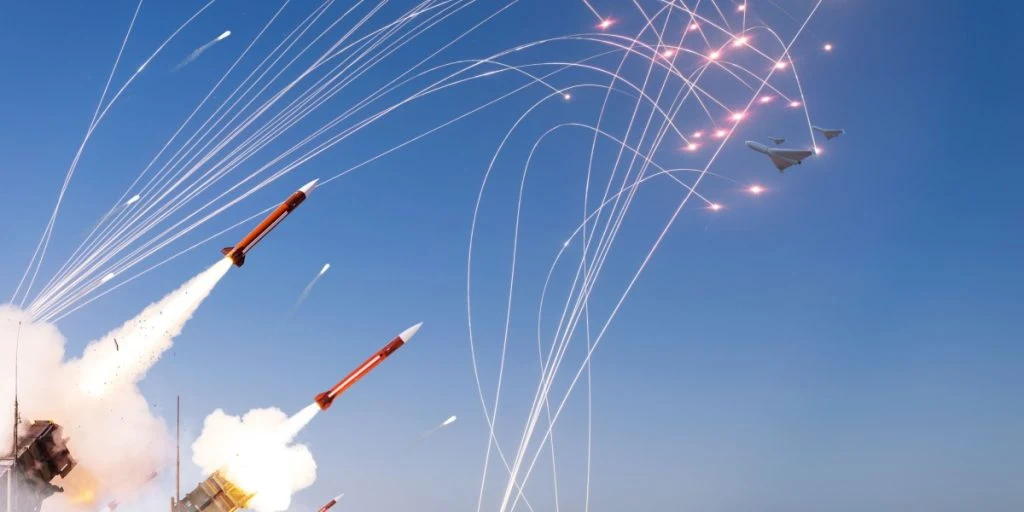
A surge in long-range drone attacks has struck multiple Russian regions, underlining how unmanned systems are reshaping the conflict.
Others are reading now


A surge in long-range drone attacks has struck multiple Russian regions, underlining how unmanned systems are reshaping the conflict.
Air defence units were active across large areas as strikes unfolded over an extended period.
The scale suggests a sustained operational tempo rather than a one-off escalation.
Widespread strikes
According to Voennoe Delo, Russian authorities said air defences reported downing 154 incoming drones across more than ten regions overnight.


The activity began earlier, with interceptions already recorded in border areas such as Belgorod, Bryansk and Kursk the previous morning.
Compared to earlier waves, the volume places this among the larger coordinated drone attacks seen in recent months.
Claims on production
A pro-Russian Telegram channel, Arkhangel Spetsnaza, claimed the frequency of attacks indicates Ukraine maintains stable drone manufacturing capacity.
The channel suggested that launching over 100 UAVs regularly points to consistent output and ongoing funding support.
These claims have not been independently verified.
Strategic pattern
The same source argued that large-scale drone launches are becoming routine, reflecting a shift toward sustained pressure rather than isolated strikes.
Military analysts have increasingly pointed to drones as a cost-effective way to stretch air defence systems and target infrastructure deep behind the front lines.
Infrastructure targets
Reported targets included oil facilities, chemical plants and power infrastructure.
Arkhangel Spetsnaza also claimed substations in Melitopol were hit again, suggesting a continued focus on energy networks.
Such strikes are typically aimed at disrupting logistics, increasing repair costs and weakening operational support systems.
Evolving warfare
The continued use of large-scale drone operations highlights a broader shift in modern warfare toward mass-produced, lower-cost systems.
As production scales up, analysts say these tactics could place sustained pressure on air defences and reshape how conflicts are fought over time.
Sources: Voennoe Delo, Arkhangel Spetsnaza (Telegram)



