Lauge Risom Koch

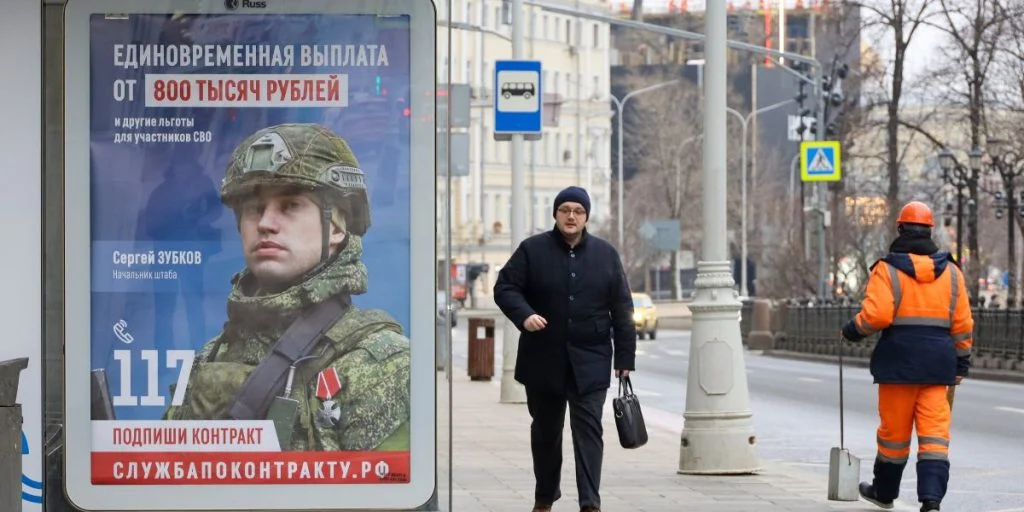
Russian citizens accuse military recruiters of abducting men from the streets as forced mobilization tactics spread across 33 regions.


The Siberian city of Omsk, home to over 1,000,000 residents, has emerged as a hotspot for forced military mobilization. According to the Kyiv Post, residents accuse recruiters of abducting men directly from the streets. These citizens are reportedly beaten and forced to sign contracts to fight in Ukraine.
Locals flooded a military recruitment center page on a Russian mapping application with severe complaints. One user reported that recruiters quickly issued her 60-year-old father a second passport before taking him away. “My father went out to the store and disappeared,” the reviewer stated.
Another woman reported that her brother traveled to Omsk for work before vanishing completely. The local recruitment center eventually called to inform her that he had signed a military contract. “They took him without documents or a phone,” the woman wrote.
Nationwide recruitment raids
Reports of forced military recruitment surged across the country throughout September and October. Independent media outlets documented similar civilian complaints emerging from 33 different Russian regions. These aggressive recruitment raids often involve local police and members of the national guard.


Authorities frequently stop men on the streets under the pretext of investigating minor offenses. Officials then transport these individuals to military units where they face intense pressure to enlist. Recruiters allegedly utilize deception, coercion, and threats to secure signed combat contracts.
Similar tactics were previously reported in several western regions during the spring and summer. These coordinated raids have now expanded geographically from the northwest to the eastern coastal territories. The capital city of Moscow also witnessed targeted street raids for compulsory military service in late October.
Recruitment shortfalls and health waivers
These coercive raids coincide with a broader government campaign to replenish depleted military forces. Reviewers alleged that recruiters actively ignored age restrictions and obvious medical conditions during street abductions. Accounts detailed the seizure of elderly individuals and men recovering from severe strokes.
Independent media previously reported that recruiters began advertising military service to citizens with chronic illnesses. This expanded eligibility included men infected with HIV, hepatitis, and tuberculosis in certain regions. Journalists discovered that recruits with chronic illnesses face a high probability of assignment to frontline assault units.
Financial enlistment incentives have recently declined across several poorer regions within the country. These combined financial and operational pressures continue driving the shift toward forceful conscription tactics.