
 Jens Asbjørn Bøgen
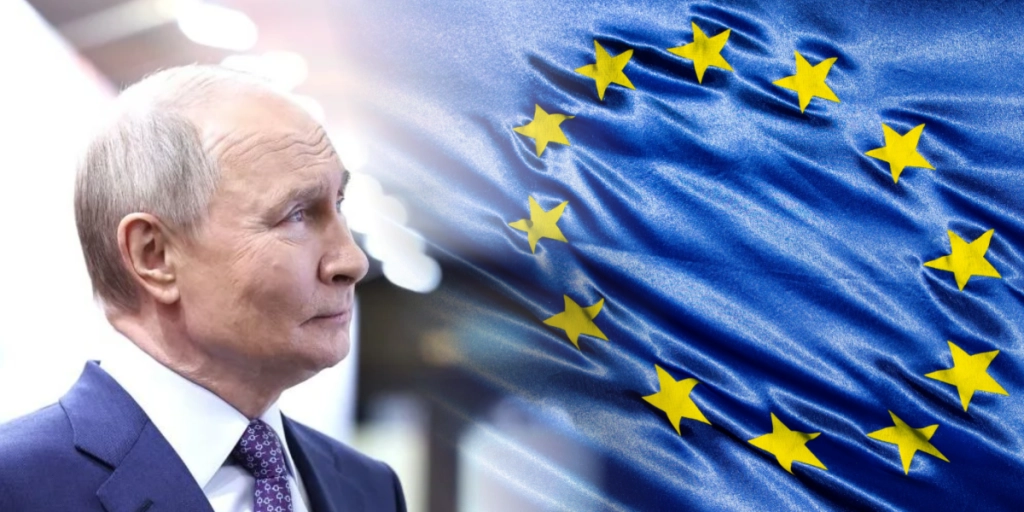
The country is also a member of NATO.


When Putin’s best friend in the European Union, Hungary’s Viktor Orbán, was ousted from office in a landslide election in April, things started looking up for Ukraine.
Orbán had repeatedly blocked a number of measures intended to help Ukraine defend itself against the Russian invasion, but after his defeat, the vetoes stopped coming.
However, another election, this time in Bulgaria, has given Putin a new friend in the EU — and if the most recent remarks from the Bulgarian government are any indication of what lies ahead, it is not looking good for Ukraine.
A sudden shift
The country’s new defense minister, Dimitar Stoyanov, announced during a press conference on June 9 that Bulgaria is slamming the brakes on military assistance to Ukraine.


The political pivot follows the April 19 election victory of the Kremlin-friendly Prime Minister Rumen Radev. Radev has long criticized the provision of military equipment to Kyiv.
According to Bulgarian National Radio (BNR), Stoyanov believes the conflict has reached a stalemate. He told reporters that “the war in Ukraine will not be resolved on the battlefield.”
Seeking a deal
The defense minister argued that sending more weapons would simply lead to more deaths without altering the front line. He insisted that the conflict has evolved into a grinding war of attrition.
“It is time to sit at the negotiating table. It is time to seek a just peace, which will be determined by both sides,” Stoyanov said.
This decision marks a sharp break from the past. Bulgaria, a member of both NATO and the European Union, has sent 13 separate military aid packages to Ukraine since the 2022 invasion.
Cash over charity
Sofia initially played a vital, secret role in helping Ukraine because it holds vast stockpiles of old Soviet weapons. However, the nature of the relationship has shifted entirely to a commercial arrangement.
Ukraine is no longer receiving free military aid from the Bulgarian government. Instead, Kyiv is purchasing exactly what it needs.
“Ukrainian-Bulgarian defense cooperation on a commercial basis continues, and it is mutually beneficial for both Ukraine and Bulgaria,” Ukrainian Foreign Ministry spokesperson Heorhii Tykhyi explained, according to the Kyiv Independent.
This commercial cooperation continues despite a 10-year security pact signed in March with Bulgaria’s previous government. That agreement aimed to encourage joint drone production.
Boosting internal defense
While ending free military aid to Kyiv, Bulgaria plans to invest heavily in its own armed forces. Stoyanov unveiled an ambitious plan to increase defense spending to 5 percent of gross domestic product by 2030.
That budget includes 3.5 percent for direct military expenditures and 1.5 percent for areas such as cybersecurity and infrastructure. The country aims to modernize its military rapidly.



