
 Jens Asbjørn Bøgen

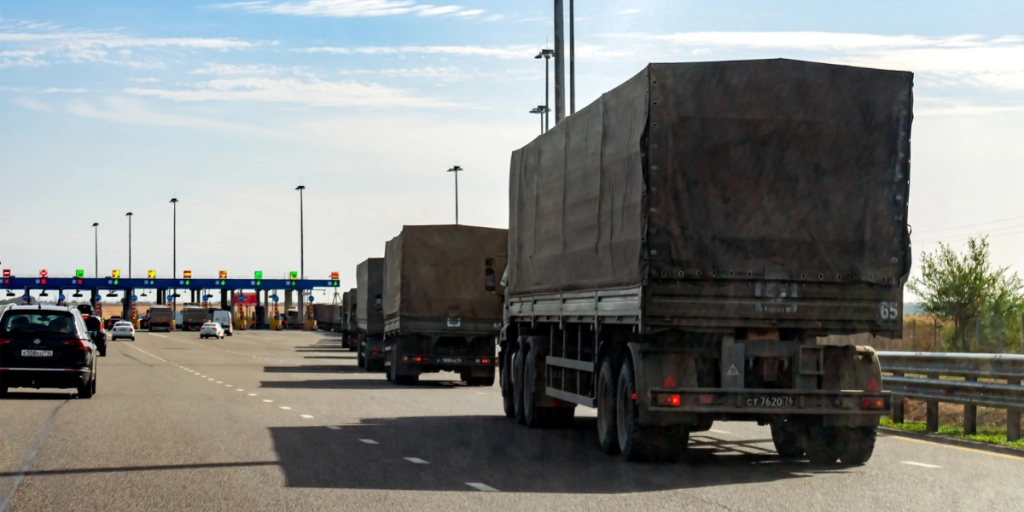
It is the sixth strike in six weeks.


The R-280, better known as the “Novorossiya” highway, runs from Rostov-on-Don along the Azov Sea coast into occupied Crimea. Since early October, it has been under sustained attack.
Ukraine’s defense forces have struck at least six bridges along the route between October 10 and November 15, according to Militarnyi, citing the open-source monitoring group Oko Gora.
The downed crossings add roughly 150 kilometers, about 93 miles, to the detour Russian military vehicles must take around the damage, Militarnyi reported. The R-280 is Russia’s main overland supply corridor to Crimea and the occupied south.
The highway runs about 700 kilometers along the coast from Rostov-on-Don through Mariupol, Berdiansk and Melitopol into Crimea. After months of Ukrainian strikes against ferries and cargo vessels in the Black and Azov seas, it is effectively Russia’s only remaining major logistics route into the peninsula.


How the bridges fell, one by one
The campaign opened on October 10 with strikes on two crossings over the Don River in Rostov-on-Don, including the railway drawbridge on the Rostov-Bataysk line. Neither sustained critical damage and traffic resumed quickly.
On November 8, drones hit a bridge over the Mius River at the 97th kilometer of the R-280, in Rostov Oblast’s Neklinovsky district. Two crawler cranes were also damaged.
Rostov Governor Yury Slyusar confirmed the hit and said traffic across the bridge had been organized in a reversible, one-way-at-a-time arrangement, with no casualties reported.
A further bridge near Huselshchykove, close to occupied Novoazovsk, was hit on November 11. Overnight into November 15, two more crossings were struck: a highway overpass above railway tracks in Neklinovsky district, and a second Mius River bridge near Mykolaivka. Photographs after the attack appeared to show the Mykolaivka bridge completely destroyed.
Click to display external content from x,
- You can always enable and disable third-party content.

You agree to display external third-party content. Personal data may be sent to the provider of the content and other third-party services.
A campaign aimed at the land bridge
The R-280 is part of what Kyiv Independent calls the “highway of death” carrying military cargo from mainland Russia into occupied Ukraine.
The interdiction campaign began in early 2026. ACLED’s report puts drones at about nine in 10 recorded strikes in the corridor, using what it calls “cheap, domestically produced loitering munitions and anti-bridge drones that cost less than 50,000 US dollars.”
Recorded attacks in the corridor rose from 46 in March to 80 in April before surging again in June, ACLED found.



