
 Kathrine Frich
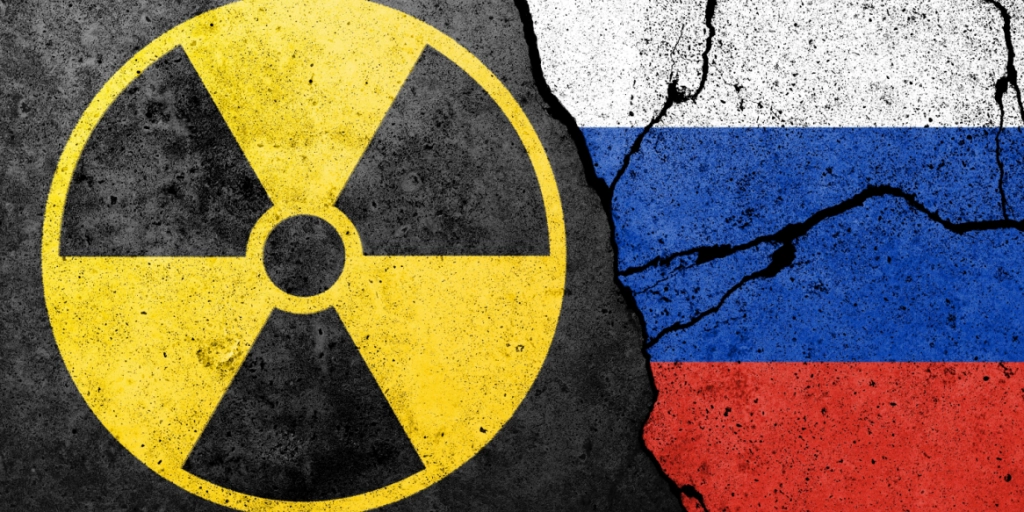
Nuclear weapons remain one of the most powerful tools of deterrence in global politics.


The United States has long relied on alliances and defensive commitments to counter nuclear threats from rival states.
But now Washington is reassessing how best to deter adversaries while maintaining stability among its partners.
Recent discussions in Washington have highlighted growing concerns about the nuclear capabilities of Russia and North Korea.
US reviews nuclear deterrence strategy
During a recent hearing before the US Senate Armed Services Committee, Pentagon official Elbridge Colby warned that nuclear threats from Russia and North Korea remain among the most serious security challenges facing the United States.


Colby said Washington is considering adjustments to its nuclear deterrence strategy on the Korean Peninsula.
Under the approach currently being discussed, South Korea would take on a larger role in deterring North Korea while continuing to rely on limited but important support from the United States.
Russian and North Korean arsenals
Russia remains one of the world’s largest nuclear powers.
According to estimates by the Bulletin of the Atomic Scientists, Moscow possesses around 5,500 nuclear warheads.
North Korea’s nuclear arsenal is far smaller but still a major concern for regional security. Experts estimate Pyongyang currently has around 50 nuclear warheads.
Analysts say the country may have enough nuclear material to produce an additional 70 to 90 warheads in the future.
Growing cooperation
Experts have also raised concerns about increasing cooperation between Russia and North Korea in military and technical fields.
Analyst Karol Starowicz noted that such cooperation could influence the future development of North Korea’s nuclear arsenal.
“North Korea is not only developing warheads, but also working on the means of delivering them, for example by building submarines,” Starowicz said.
Debate over South Korea’s role
A key question for policymakers is how South Korea should respond to the threat from North Korea.
Seoul does not possess nuclear weapons of its own and has traditionally relied on the US nuclear umbrella for protection.
However, discussions about strengthening South Korea’s own military capabilities have intensified as tensions on the Korean Peninsula continue.
Starowicz noted that nuclear proliferation on the peninsula would benefit no one but added that South Korea wants to be better prepared for potential threats.
Changing global context
The broader strategic environment has also shifted following the collapse of arms control arrangements between the United States and Russia.
After the end of the START treaty framework and amid Russia’s war against Ukraine, cooperation on nuclear arms control has become increasingly limited.
As a result, US officials say preventing nuclear expansion in Asia remains a top strategic priority.
Sources: Interia, Bulletin of the Atomic Scientists, O2.



