
 Lauge Risom Koch
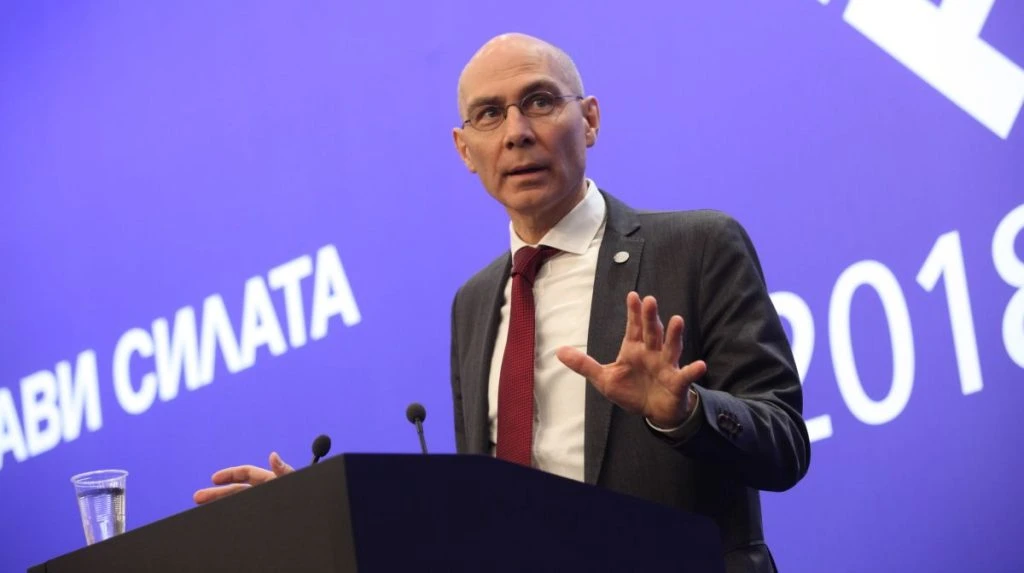
The United Nations verified over 15,000 civilian casualties in Ukraine during 2026 alongside widespread reports of sexual violence and deceptive military recruitment.
The United Nations recently verified 15,280 civilian casualties in Ukraine during the first eight months of 2026. According to the Kyiv Post, this figure represents a 55% surge compared to the corresponding period in 2025. UN High Commissioner for Human Rights Volker Türk announced that the ongoing conflict currently results in an average of more than 400 civilian casualties each week.
Despite relatively static front lines, Russian forces have systematically directed strikes against residential apartments, educational facilities, and medical clinics. Türk specifically highlighted Moscow’s expanding deployment of high-explosive guided aerial bombs across the Donetsk, Kharkiv, Sumy, and Zaporizhzhia regions. During the first eight months of the year, guided bomb strikes killed or wounded nearly 2,500 civilians, marking a 62% surge over 2025.
The high commissioner characterized Ukraine as a laboratory of drone warfare while appealing to the international community to halt the ongoing escalation. Türk also expressed severe alarm over systematic bombardments targeting critical energy facilities and commercial food processing enterprises. In the Russian-occupied city of Oleshky, approximately 2,000 civilians currently remain trapped under a military blockade without adequate access to essential supplies.
Conflict-related sexual violence and detention abuse
Türk strongly condemned a shocking level of conflict-related sexual violence documented against vulnerable civilians and prisoners of war. The high commissioner noted that Russian forces and security services bear direct responsibility for 89% of the more than 1,000 verified cases. A comprehensive monitoring report spanning from February 2022 through July 2026 documented a total of 1,004 cases of conflict-related sexual violence in Ukraine.


The international report attributed 892 of those specific violations directly to Russian military personnel, law enforcement agencies, and security services. According to verified records, the documented victims of Russian abuse include 725 men, 151 women, and 16 children. The female victims targeted in occupied Ukrainian territories ranged in age from as young as four to 82 years old.
Male victims consist predominantly of captured Ukrainian prisoners of war and civilian detainees held in various detention facilities. These captured individuals were repeatedly subjected to severe beatings, electric shocks, genital torture, forced nudity, and sexual violence. The United Nations report also attributed 112 documented violations to Ukrainian authorities, primarily involving the mistreatment of Russian prisoners of war.
Foreign fighters and third-country recruitment
Addressing recruitment pipelines sustaining Moscow’s frontline manpower, Türk revealed ongoing interviews with captured foreign prisoners of war. Representatives from his office successfully interviewed foreign fighters from 36 different countries who are currently held in Ukrainian custody. Numerous captured individuals reported that they were heavily deceived, coerced, or recruited under misleading pretenses before joining the military.
These foreign recruits were systematically funneled into various Russian military formations to sustain active frontline combat operations. The collected testimonies reflect a massive institutionalized recruitment drive orchestrated directly by Russian national authorities. This extensive international operation heavily utilizes expedited citizenship schemes, administrative residency mechanisms, and commercial intermediaries.
Recruiters actively targeted vulnerable populations across Africa, the Middle East, and Asia to quickly replenish severely depleted combat units. This international recruitment strategy allows Moscow to continuously maintain military manpower without declaring a deeply unpopular domestic mobilization. The United Nations continues to monitor these complex recruitment pipelines while documenting ongoing human rights violations across the region.



