
 Kathrine Frich
Humans have always worried that robots might one day replace human workers.


From factories to offices, the idea of machines taking over jobs has sparked both fascination and fear.
But on the battlefield, the reaction may be very different. In a place where danger is constant, many soldiers might welcome the idea of sending a machine into harm’s way instead of a human being.
The war in Ukraine may now be offering a glimpse of that future.
Robot soldiers deployed
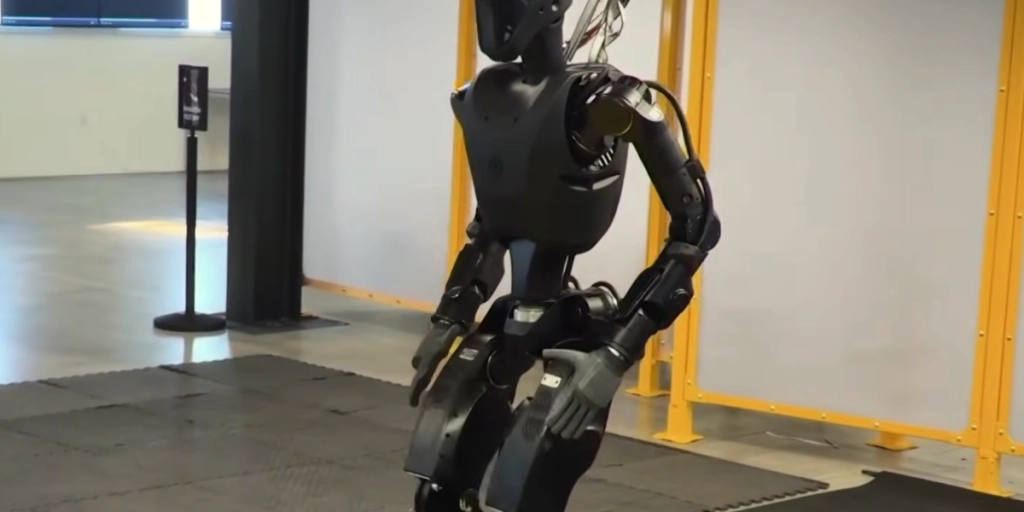
According to Time magazine, cited by L’indpendent, the American company Foundation has deployed two prototypes of its Phantom MK-1 humanoid combat robot in Ukraine.


The machines reportedly arrived in February and are being used for real-world testing near the front line.
Unlike drones or remote-controlled vehicles, the Phantom MK-1 has a humanoid appearance, with a dark metal body and a visor-like faceplate.
Observers say the design makes the robot appear closer to a human soldier than other military machines.
Armed capabilities
During demonstrations, the robot has been shown operating several types of weapons.
According to Time, the Phantom MK-1 has been equipped with a pistol, a shotgun and an M16 assault rifle.
Mike LeBlanc, a former US Marine and co-founder of Foundation, argued that using robots in combat could reduce risks for human soldiers.
“We believe it is morally imperative to send these robots into combat instead of soldiers,” he said.
LeBlanc added that the system is intended to operate weapons that a human soldier could use.
Military uses
Developers say the robots may serve several roles on the battlefield.
In addition to reconnaissance, the machines could be used to deliver supplies, distract enemy forces or support military operations.
“Thanks to a thermal signature similar to that of humans, robots like Phantom could also disrupt enemy surveillance,” LeBlanc explained.
Future development
The technology has attracted interest from the US military.
According to the report, Foundation has secured research contracts with several branches of the American armed forces.
Future testing may include using robots to place explosives on doors to help troops enter buildings more safely.
While the current MK-1 model still has technical issues, including problems during transport, the company is already developing an upgraded version.
The next model, Phantom MK-2, is expected to be released in April with improved waterproofing, longer battery life and the ability to carry up to 80 kilograms of equipment.
Sources: Time magazine, The Independent



