
 Asger Risom
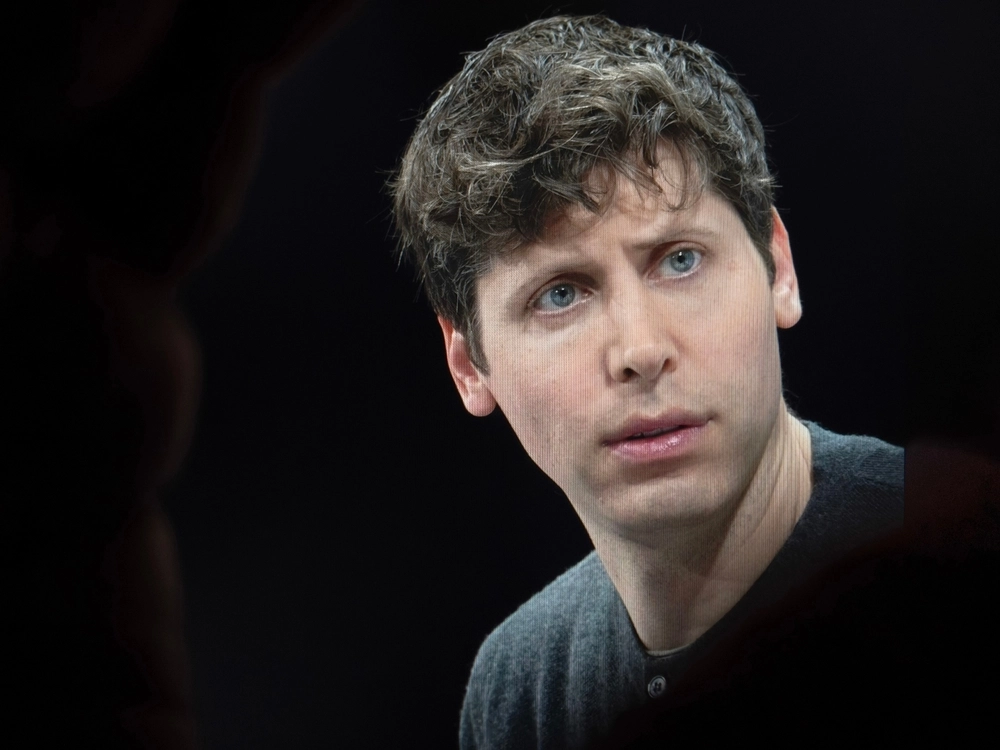
The Musk v OpenAI trial is exposing deep internal divisions inside the company, with former executives accusing CEO Sam Altman of dishonesty, manipulation, and “creating chaos” behind the scenes.


The ongoing Musk v OpenAI trial is exposing an unusually public look into the internal tensions, leadership disputes, and personal distrust that shaped the company behind ChatGPT.
What began as a legal fight over OpenAI’s transition from a nonprofit to a for-profit structure has increasingly evolved into something broader: a public examination of CEO Sam Altman’s leadership and credibility.
Former allies testify against Altman
According to reporting from The Guardian, several former OpenAI executives and board members have testified or provided depositions describing Altman as manipulative, misleading, and divisive during key moments in the company’s history.
Former OpenAI chief scientist Ilya Sutskever testified that Altman demonstrated “a consistent pattern of lying, undermining his execs and pitting his execs against one another.”


Sutskever was one of the board members involved in Altman’s temporary removal as CEO in 2023—a dramatic five-day internal power struggle that nearly fractured the company before Altman was reinstated.
Former CTO Mira Murati also testified that Altman often told different people conflicting things, accusing him of “creating chaos” inside the company.
The trial is reopening OpenAI’s most chaotic chapter
The proceedings have revived scrutiny around the 2023 leadership crisis that briefly saw Altman removed from OpenAI before employees and investors rallied behind him.
Private text messages shown in court revealed Altman asking Murati whether his situation was “directionally good or bad” after the board moved against him.
“Directionally very bad,” Murati replied.
The exchange is one of several internal communications being used by Musk’s legal team to portray OpenAI as unstable and internally fractured long before the current lawsuit.
Microsoft’s CEO calls the situation “amateur city”
Microsoft CEO Satya Nadella also testified during the trial, criticizing OpenAI’s board for how it handled Altman’s attempted removal.
At the time, Microsoft was OpenAI’s largest financial backer and faced the possibility of mass employee departures during the leadership crisis.
“It was sort of amateur-city as far as I’m concerned,” Nadella testified, saying he never received a clear explanation for why Altman had been removed.
The testimony highlights how deeply intertwined OpenAI’s internal governance has become with the broader AI industry and its largest corporate partners.
Musk and OpenAI continue escalating the conflict
Elon Musk co-founded OpenAI in 2015 before leaving the company in 2018. He now alleges OpenAI abandoned its original nonprofit mission in pursuit of commercial dominance and investor capital.
OpenAI has denied Musk’s claims and argues the lawsuit is motivated by rivalry and resentment over the company’s success.
The trial has also exposed Musk’s own behavior. Testimony and court filings describe angry confrontations, tense meetings, and aggressive text messages sent to OpenAI executives shortly before proceedings began.
Musk is seeking major structural changes to OpenAI, including the removal of Altman and president Greg Brockman, alongside financial damages reportedly reaching $134 billion.
The case is becoming bigger than corporate governance
While the legal core of the trial focuses on OpenAI’s restructuring, the public impact has become something else entirely: a rare look inside one of the world’s most influential AI companies during its rise to power.
For years, OpenAI carefully controlled its public image while becoming central to the global AI boom.
Now, through testimony, private messages, and former insiders speaking under oath, the trial is revealing just how turbulent that rise may have been behind closed doors.
Sources: The Guardian



