
 Edith Hejberg
In March alone, Cuba suffered three nationwide blackouts affecting roughly 10 million people.


Cuba is facing one of the worst energy crises in its modern history. Rolling blackouts and fuel shortages have left millions struggling through daily power cuts as oil imports collapse under heavy US pressure.
But in the middle of the crisis, the country is rapidly expanding solar energy. Backed by China, Cuba is now carrying out one of the fastest solar buildouts in the world.
Experts say the country’s desperate energy situation may be accelerating a major shift away from imported fossil fuels and toward renewables.
Oil shortages have crippled the island’s electricity system
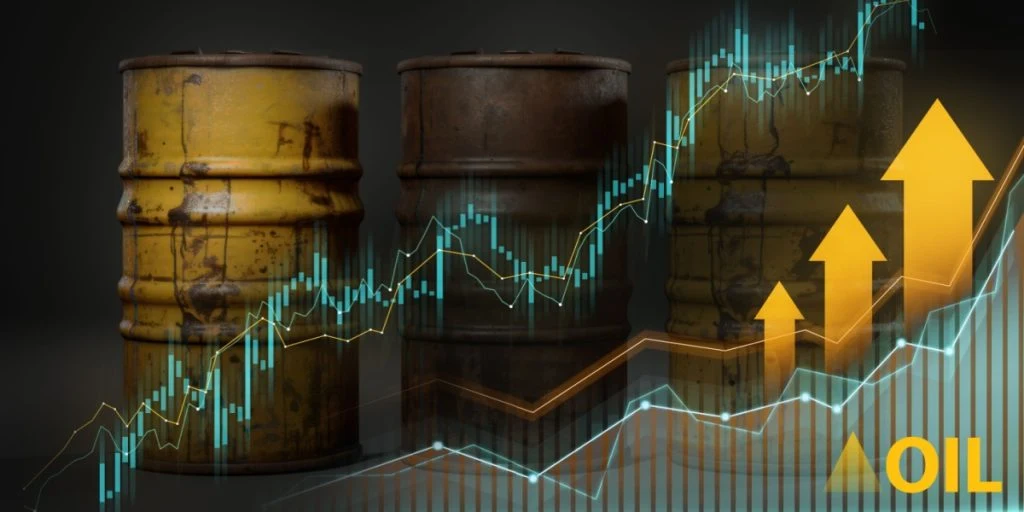
Cuba’s electricity grid depends heavily on imported oil. For decades, much of that fuel came first from the Soviet Union and later from Venezuela through a political exchange agreement.


That arrangement unraveled after the Trump administration cut off Venezuelan oil shipments earlier this year. Other suppliers, including Mexico, also reduced exports after facing threats of additional US tariffs.
The result has been severe fuel shortages across the island, pushing Cuba’s already fragile electricity system close to collapse.
Nationwide blackouts have become part of daily life

In March alone, Cuba suffered three nationwide blackouts affecting roughly 10 million people.
Hospitals limited surgeries, garbage piled up in city streets, and many families were forced to cook using firewood. For many Cubans, long power cuts have become a normal part of life.
The country’s aging electricity infrastructure has struggled for years, but experts say the situation sharply worsened in 2024 when multiday blackouts spread across the island.
2024 became a turning point for solar energy

Economists describe 2024 as the moment Cuba seriously turned toward solar power.
The government began promoting renewable energy as a way to reduce dependence on imported fuel and stabilize electricity supplies.
At the same time, Chinese support expanded rapidly, giving Cuba access to solar panels, batteries and investment needed to launch large-scale projects.
That combination triggered an energy transformation few expected to happen so quickly.
Chinese solar exports to Cuba have exploded
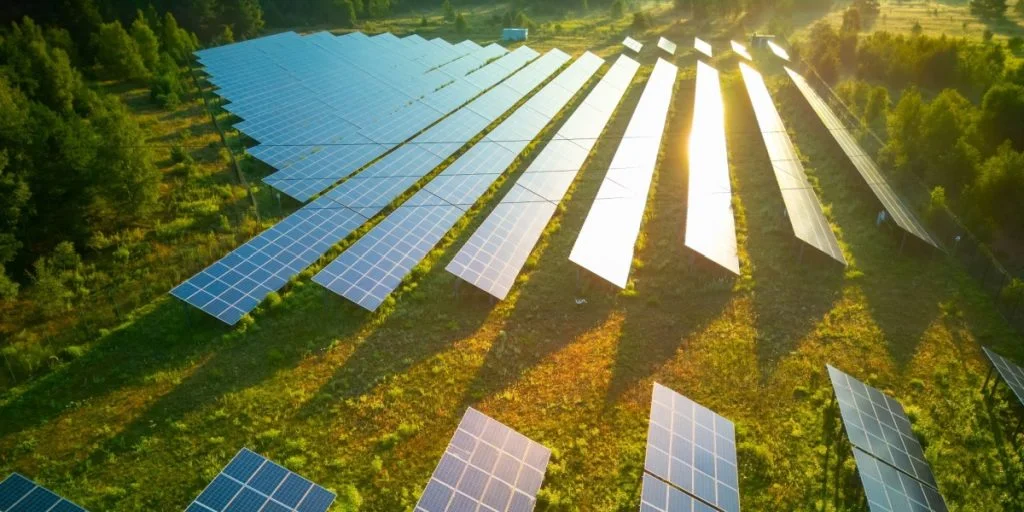
The numbers behind Cuba’s solar expansion are striking.
According to Ember, Chinese solar exports to Cuba jumped from around $3 million in 2023 to roughly $117 million in 2025.
China has also partnered with Cuba to build 92 solar parks by 2028. Together, those facilities are expected to generate about 2 gigawatts of solar power, enough electricity for more than 1.5 million homes.
The first park opened in February 2025, and around 50 are already operating across the island.
Cuba has added solar power at remarkable speed
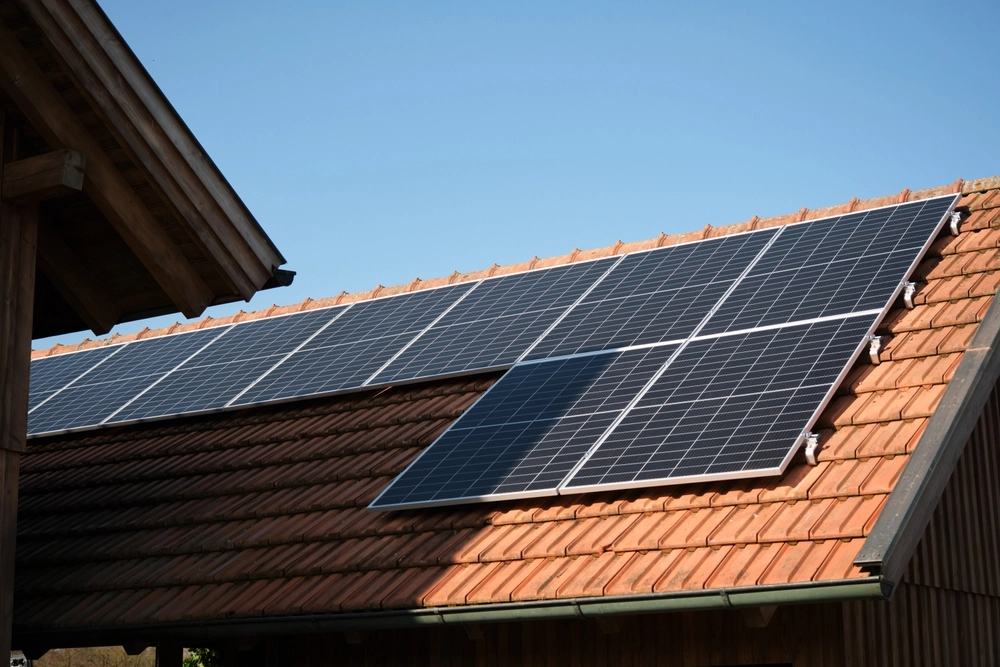
Energy analysts say Cuba installed roughly 1 gigawatt of solar capacity in just the last year.
For a country of Cuba’s size, that represents an unusually rapid expansion. Renewable energy now supplies about 10% of Cuba’s electricity, compared with only 3% in 2024.
The government says it wants renewables to account for at least 24% of electricity generation by 2030.
Researchers describe the pace of growth as extraordinary, especially given Cuba’s economic struggles.
Solar energy offers Cuba more than cleaner electricity
Supporters say renewable energy could reduce Cuba’s dependence on imported fuel and weaken outside political pressure.
Kevin Cashman of the Transition Security Project said expanding renewables could help “remove this lever of coercion” by lowering the country’s need for foreign oil.
Solar power also has practical advantages. Costs for panels and batteries have fallen sharply worldwide, systems can be installed relatively quickly, and sunlight is one resource Cuba has in abundance.
Once built, solar infrastructure can operate for decades with relatively low maintenance costs.
China also gains influence through the partnership
Analysts say China’s involvement goes beyond simple business interests.
Jorge Piñon from the University of Texas Energy Institute said the projects help China build goodwill not only inside Cuba but throughout Latin America.
By supporting renewable development during a major crisis, Beijing strengthens its regional influence while showcasing Chinese clean-energy technology abroad.
The partnership also highlights how global competition is increasingly shaping the transition to renewable energy.
Major obstacles still threaten the solar transition

Despite the rapid progress, experts warn Cuba’s energy problems are far from solved.
Most of the country’s solar parks are relatively small and spread out across the island. Solar power also disappears after sunset, when electricity demand often peaks.
Battery imports have increased sharply, but Cuba still lacks large-scale storage systems capable of stabilizing the grid during evening hours.
For now, blackouts continue even as new solar projects come online.
The biggest challenge may be the cost

Rebuilding Cuba’s energy system will require enormous investment.
According to an April analysis by Cashman, generating about 93% of Cuba’s electricity from renewables would cost around $8 billion. Building a fully renewable electricity system could cost as much as $19 billion.
Experts say the Cuban government lacks the money to fund such a transformation on its own, while ordinary citizens can barely afford basic necessities.
That leaves major questions about who will finance the country’s long-term energy future.
Some Cubans are already seeing small improvements

In certain areas, renewable energy projects are beginning to make daily life easier.
In Santa Clara, Cuba’s first solar-powered charging station allows residents to charge phones, batteries and electric vehicles during blackouts.
“They have solved many problems for many people,” Yudelaimys Barrero Muñoz told the Associated Press while charging her family’s electric three-wheeler.
Still, these examples remain limited compared with the scale of the national crisis.
Many people say life has not improved yet

For most Cubans, the solar boom has not yet translated into reliable electricity.
Economist Ricardo Torres said many families still experience worse blackouts now than they did a year ago. He noted that while renewable energy is important, the immediate priority for many citizens is simply having dependable power.
People care less about whether electricity comes from solar panels or oil plants than whether the lights stay on.
Solar may eventually reshape Cuba’s future, but for now, millions are still waiting for relief.
Cuba’s energy shift could send a global message

Despite the challenges, some analysts believe Cuba’s experience carries lessons for many countries.
As renewable technology becomes cheaper and geopolitical tensions disrupt fossil fuel supplies, nations dependent on imported oil may increasingly look to solar and battery systems for energy security.
Cashman said Cuba’s situation is a warning about the risks of relying too heavily on fuel imports.
“No matter what happens to Cuba,” he said, “this is a clear signal to other countries that renewables are something that they need to focus on.”



