
 Nicolai Haugsted
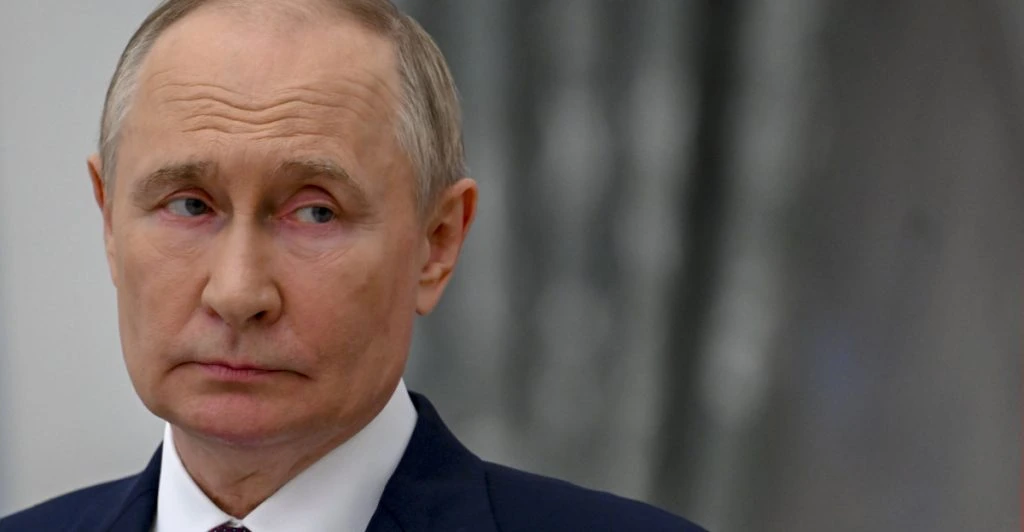
China has purposefully stayed out of entering the war in Ukraine. Will that soom chance, now that Putin is visiting Xi Jinping?

Beijing barely had time to roll away the red carpets from Donald Trump’s state visit before another world leader arrived with his own geopolitical shopping list.
Vladimir Putin landed in China on Tuesday for what marks his 25th official visit to the country, with energy deals, Ukraine and global power politics dominating the agenda behind closed doors, according to Spanish media 20Minutos.
Moscow and Beijing tighten ties again
Chinese state media have enthusiastically framed Beijing as the new center of global diplomacy after hosting both Trump and Putin within days of each other.
Putin’s visit also coincides with two symbolic anniversaries: 25 years since China and Russia signed their friendship treaty, and 30 years since the launch of their broader strategic partnership.


Both governments are using the occasion to underline just how closely aligned they now are politically, economically and militarily.
Chinese officials stated ahead of the summit that President Xi Jinping and Putin would discuss international crises, bilateral cooperation and efforts to bring “greater stability” to the world stage.
Meanwhile, the Kremlin confirmed multiple agreements and joint declarations are expected to be signed during the trip.
Ukraine remains hanging over the talks
War in Ukraine is expected to remain one of the most sensitive topics throughout the meetings.
European governments have repeatedly urged China to pressure Moscow toward meaningful negotiations, though Beijing continues balancing carefully between diplomatic neutrality and strategic support for Russia.
Chinese officials recently repeated claims that there is still “hope” for future negotiations surrounding the conflict.
Analysts inside China describe the war as far bigger than a regional dispute, arguing it has become deeply tied to global power struggles and the future international order.
Since Russia launched its full-scale invasion, China has maintained a deliberately ambiguous position — publicly supporting territorial sovereignty while simultaneously echoing Russian concerns about Western security policies.
Energy deals back in focus
Energy cooperation remains another major priority during Putin’s visit.
Russia has become one of China’s largest suppliers of oil and gas, especially as Beijing looks for alternatives while instability continues around the Strait of Hormuz.
Chinese imports of Russian energy reached enormous levels last year, with Moscow supplying more than 100 million tons of oil and tens of billions of cubic meters of natural gas.
Attention is once again turning toward the long-discussed Power of Siberia-2 pipeline project, which would transport additional Russian gas into China through Mongolia.
Negotiations surrounding the massive pipeline have dragged on for years, though rising instability in Gulf energy routes may now give the project fresh urgency.
Trump’s visit still casting a shadow
Putin’s arrival comes only days after Trump’s own highly publicized meetings with Xi Jinping.
That timing has not gone unnoticed inside China, where state media outlets have eagerly portrayed Beijing as the diplomatic crossroads of a rapidly shifting world order.
Despite recent meetings between Chinese and American leaders, rivalry between Washington and Beijing remains intense — particularly over Taiwan, trade and military influence across Asia.
Russia’s growing dependence on China meanwhile continues reshaping the balance inside the partnership, even as both governments publicly describe the relationship as one between equals.



