
 Edith Hejberg
U.S. overdose deaths reached their highest point in 2022, when nearly 110,000 people died.


Drug overdose deaths in the United States dropped again in 2025, according to new preliminary federal data.
About 70,000 Americans died from overdoses last year, around 14% fewer than in 2024.
It was the third consecutive yearly decline and the longest sustained drop seen in decades.
Death totals are back near 2019 levels

Health officials said the latest figures are close to the overdose death numbers recorded before the COVID-19 pandemic.


During the pandemic years, overdose deaths surged sharply across the country.
Researchers linked the spike to isolation, stress, and reduced access to addiction treatment and healthcare services.
The crisis peaked in 2022
U.S. overdose deaths reached their highest point in 2022, when nearly 110,000 people died.
The pandemic period created severe disruptions in both treatment programs and social support systems.
Since then, deaths have gradually declined each year.
Fentanyl deaths also declined
Federal data showed falling overdose deaths involving fentanyl, cocaine, and methamphetamine.
Fentanyl has been the biggest driver of overdose deaths in recent years, making the decline especially important.
Researchers say the broad decrease across several drugs suggests a larger shift may be taking place.
Most states saw improvement
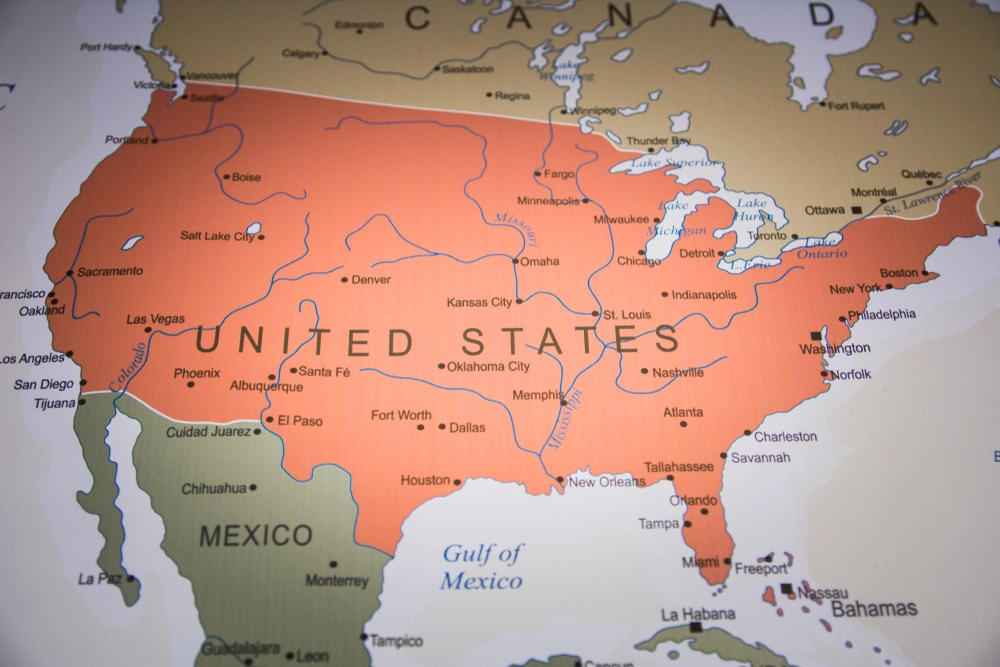
The Centers for Disease Control and Prevention reported that overdose deaths fell in most states during 2025.
Public health experts say nationwide declines are encouraging because they suggest progress is not limited to only a few regions.
Still, officials warned that local conditions remain very different from state to state.
Some states moved in the opposite direction

Arizona, Colorado, and New Mexico all recorded notable increases in overdose deaths last year.
Researchers say drug supply changes, healthcare access, and economic pressures can influence regional trends.
Officials are continuing to monitor those states closely for signs of worsening conditions.
Researchers are cautiously hopeful

Brandon Marshall, a Brown University researcher who studies overdose trends, said the latest data may reflect a meaningful change.
“I’m cautiously optimistic that this represents really a fundamental change in the arc of the overdose crisis,” Marshall said.
Still, he warned that the progress could quickly disappear if prevention efforts weaken.
Experts warn the crisis is not over

Researchers stress that overdose deaths remain historically high despite the recent decline.
Marshall warned that deaths could rise again if governments reduce support for addiction treatment and prevention programs.
“If deaths are going down rapidly, that means they can increase just as rapidly if we take our foot off the gas,” he said.
Naloxone may be saving more lives

Experts believe wider access to naloxone has helped reduce fatal overdoses.
Naloxone is a medication that can quickly reverse the effects of opioid overdoses and is now more widely available in many communities.
Expanded addiction treatment programs may also be contributing to the decline.
Researchers point to other possible reasons

Some experts believe fewer teenagers are beginning to use illicit drugs than in previous years.
Others suggest the population most vulnerable to overdoses has shrunk after years of deadly waves across the country.
Researchers have also linked possible improvements to Chinese regulatory changes affecting fentanyl production chemicals.
New drugs are appearing in the supply
Even with overdose deaths declining, health officials remain concerned about emerging synthetic drugs.
Alex Krotulski, who directs a federally funded toxicology lab in Pennsylvania, said his team identified 27 new drugs during all of 2025.
Less than five months into 2026, the lab has already identified 23 additional substances.
A powerful opioid called cychlorphine raises concern

One drug drawing particular attention is cychlorphine, a synthetic opioid believed to be far stronger than fentanyl.
Experts say it may be up to 10 times more powerful and is often mixed into other drugs without buyers knowing.
Officials fear hidden additives like cychlorphine could trigger another deadly overdose surge.
Trump administration cuts spark criticism

At the same time, the Trump administration has reduced funding for some overdose prevention programs.
Federal officials recently informed grant recipients that the government would stop paying for drug-testing strips used to detect dangerous substances.
Critics argue that harm reduction programs have helped lower overdose deaths and should continue receiving support.
Kimberly Douglas, founder of Black Moms Against Overdose, said these services save lives after losing her 17-year-old son to an overdose.
“We are starting to see overdoses go down in some places and that’s because of harm reduction” services like those being targeted by the Trump administration, she said.



