
 Nicolai Haugsted
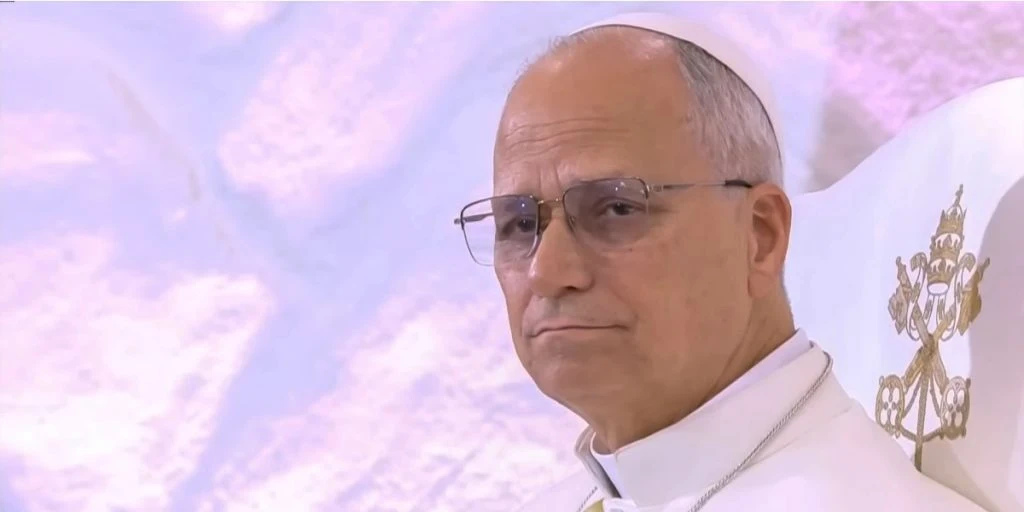
The pope sends an apology on behalf of the church.

Centuries of Catholic history surrounding slavery received rare and direct scrutiny from Pope Leo on Monday, as the pontiff publicly acknowledged the Church’s role in legitimising human bondage and apologised for its delayed condemnation of the practice.
Remarks appeared in “Magnifica Humanitas” (“Magnificent Humanity”), Pope Leo’s first papal encyclical, where he addressed both historical injustice and modern ethical challenges linked to artificial intelligence and global economic systems.
“For this, in the name of the Church, I sincerely ask for pardon,” Leo wrote, while also expressing “deep sorrow” for the suffering endured by enslaved people.
Passages from the encyclical described slavery as “a wound in Christian memory.”


Vatican Acknowledges Historical Responsibility
Pope Leo stated that Church authorities across different periods had helped regulate and legitimise forms of subjugation, including the enslavement of non-Christians.
Medieval-era Church institutions also owned slaves themselves, according to the pontiff’s account.
Leo wrote that Catholic teaching only reached a “formal, absolute and universal condemnation” of slavery during the 19th century under Pope Leo XIII. Current Vatican leadership described previous centuries as marked by inconsistency between doctrine and practice.
Statements go further than previous comments from earlier popes, who generally framed responsibility around individual Christians or historical societies rather than the institutional Church itself.
Previous Popes Addressed Slave Trade More Indirectly
Pope John Paul II asked Africans for forgiveness during a 1985 visit to the continent, referring to suffering caused by “men belonging to Christian nations” involved in the slave trade.
Former Pope Francis later condemned modern slavery and formally rejected several 15th-century papal decrees that colonial powers had used to justify expansion, conquest and slavery.
Direct references to the Vatican’s own responsibility, however, largely remained absent from earlier papal statements.
Current remarks from Leo therefore represent the clearest acknowledgment yet from a sitting pope regarding institutional accountability inside the Catholic Church.
Family History Adds Personal Dimension
Genealogical research published after Leo’s election last year revealed that the first US-born pope descends from both enslaved people and slaveholders.
Historical background has added further attention to Leo’s comments, particularly in the United States, where debates over race, historical responsibility and institutional accountability remain politically sensitive.
Broader themes inside the encyclical focus heavily on human dignity, technological ethics and economic exploitation, with Pope Leo warning against modern systems that risk creating new forms of human oppression.



