
 Jens Asbjørn Bøgen
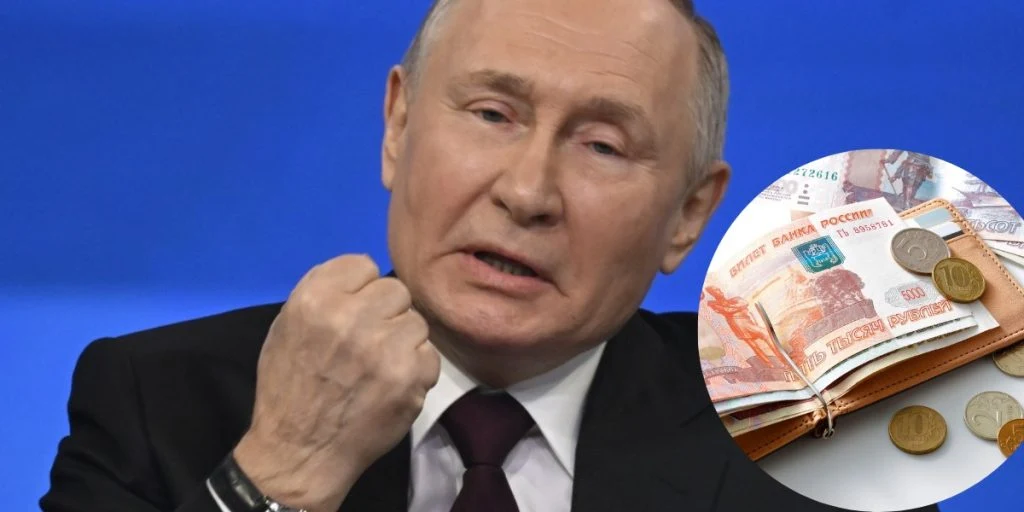
What Putin believes, however, seems to stem from false reports from the military command.


Running a country is expensive. Funding a country involved in a major conflict costs even more.
After more than four years of war in Ukraine, the Russian economy is continuing to show signs of increasing strain, and Putin is facing a tough choice:
Scale back defense spending and risk further setbacks in Ukraine, or continue spending at current levels and risk driving the Russian economy into ruin.
Well, according to Bloomberg, Putin is choosing the latter option — and that might be a hint at the Russian leader’s own expected timeline for the war.


A costly conflict
According to Bloomberg, senior figures from both the Russian Central Bank and the Russian Finance Ministry warned that current spending levels cannot last.
They told the Kremlin that the financial drain risks blowing a massive hole in the national budget. But cutting back is not that simple.
Financial experts want to trim the military budget. But the country’s Defense Ministry is pushing back hard, demanding even more funding to keep operations running.
Breaking the bank
According to the Institute for the Study of War (ISW), the economic cracks are already showing up in official records. The Finance Ministry revealed that Russia’s budget deficit hit 4.58 trillion rubles, roughly $63.5 billion, in the first three months of this year alone.
That staggering figure already exceeds the 3.79 trillion ruble deficit planned for the entire year. Originally, officials hoped the conflict would wrap up quickly, allowing them to balance the books by late 2026.
Even high oil prices triggered by conflict in the Middle East will not save them. Insiders told Bloomberg that oil would need to remain above $100 per barrel for a full year just to provide a temporary boost.
Distorted reality
Despite the glaring red ink, the push to keep spending remains strong. ISW reported that the Russian leadership likely believes the economy can endure the strain until victory is achieved.
Analysts at ISW assess that Putin’s refusal to cut back on defense spending suggests that he genuinely believes Russia will be able to win the war “in the near to medium future,” as the analysts put it.
This confidence might stem from highly exaggerated reports from commanders on the ground. These overly optimistic updates could create a false sense of security about how the war is actually progressing.
Shifting gears now would be dangerous for the Kremlin. Cutting military funding could leave front-line troops vulnerable to sharp Ukrainian counterattacks and mid-range missile strikes.
So even as the war is now well into its fifth year, Putin’s refusal to cut back on military spending seems to suggest, that Russia will at least keep fighting for the rest of 2026 – even though the Russian forces are struggling.
Sources: Bloomberg, Institute for the Study of War (ISW)



