
 Jens Asbjørn Bøgen

What does Napoleon, Hitler and Putin have in common?


What was meant to be a quick, sweeping invasion of Ukraine when Russia launched its full-scale invasion in February 2022 has turned into a grinding war of attrition, now in its fifth year.
But could Putin have anticipated that the initial plan was doomed to fail?
The short answer is yes — if he had realized that by launching an imperial offensive, he was stepping into the ill-fated shoes of Russia’s greatest historical enemies.
Napoleon, Hitler, and the irony of Putin
Both Napoleon and Hitler tried to conquer Russia, and both attempts ended in humiliating military failures because they underestimated a determined defender.


The ultimate irony of the war in Ukraine is that Putin has inadvertently cast himself in the roles of Napoleon and Hitler, while Ukraine has adopted Russia’s historic defensive playbook
While the geopolitical context and scale differ, Russia’s campaign has run into several of the exact same problems that Napoleon and Hitler faced when attempting to control vast territories against a deeply motivated population.
1. Vast geography and overextended supply lines
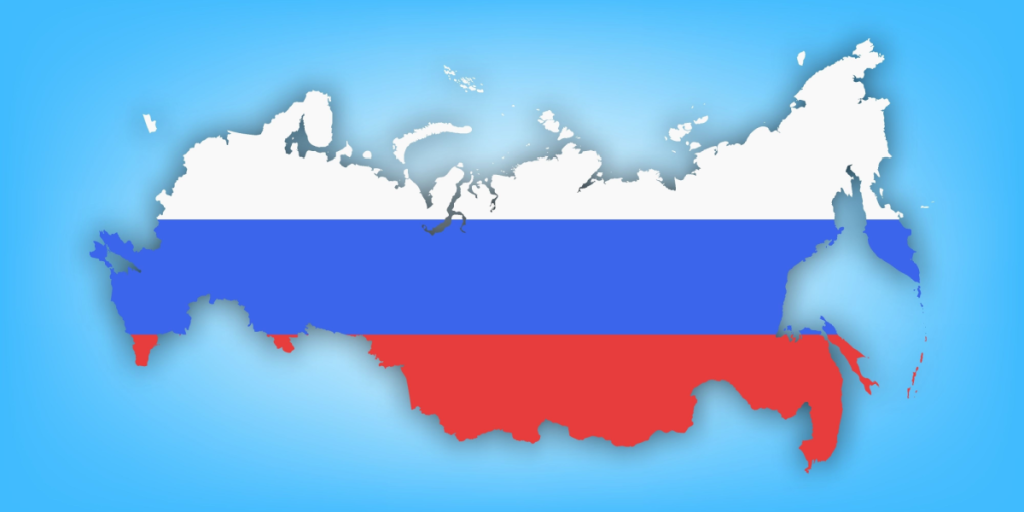
Napoleon’s Grande Armée suffered acute shortages as supply lines extended deep into hostile territory, with poor roads decimating horses and men.
Hitler’s Wehrmacht similarly ran out of fuel and munitions as stretched supply lines and difficult terrain slowed advances.
The Russian invasion
In a striking historical role reversal, as Russian forces pushed into Ukraine, especially in early 2022, they quickly outran their supply lines — just as Napoleon’s Grande Armée did in 1812 and Hitler’s Wehrmacht did in 1941.
Because they were acting as the overextended invaders, their supply trucks, food convoys, and fuel tankers lagged behind fast-moving frontline units, causing breakdowns in coordination and leaving troops undersupplied.
2. Facing local resistance and defensive tactics

In 1812, Russian forces burned their own infrastructure and resources to deny Napoleon’s invading army food and shelter.
During World War II, Soviet partisans sabotaged supply lines, worsening German overstretch and defending their homeland at all costs.
The Russian invasion
Today, the roles are completely reversed.
During the beginning of the invasion, Ukraine mirrored Russia’s historical defensive tactics by systematically destroying its own infrastructure ahead of Russian advances, blowing up bridges and slowing the invading forces through fierce, localized resistance.
3. Weather and terrain difficulties turned against the invader
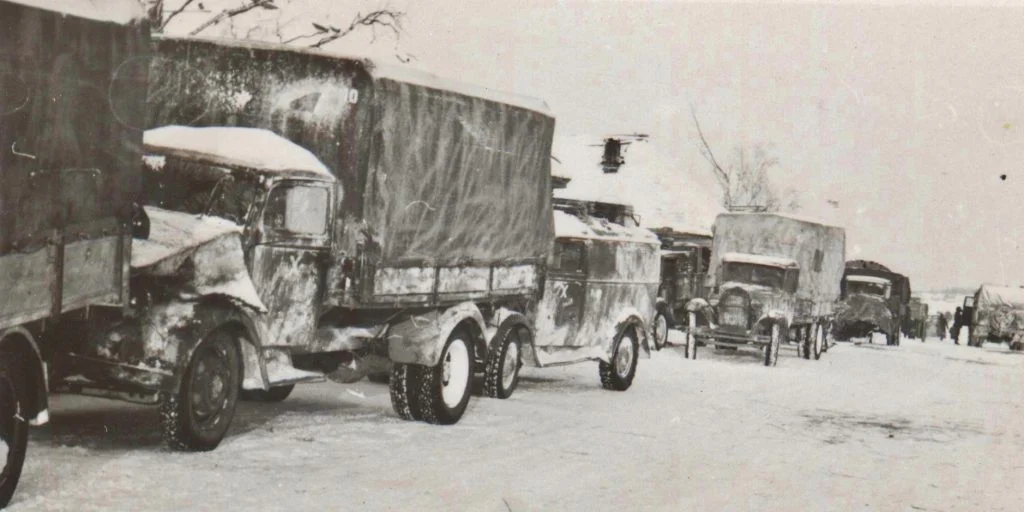
Napoleon and Hitler were ill-prepared for the seasonal extremes of the territory they invaded.
Napoleon’s army collapsed in the winter cold, while Hitler’s troops stalled in the notorious mud and freezing temperatures near Moscow in 1941.
The Russian invasion
Historically, the brutal spring and autumn mud—the rasputitsa—was Russia’s greatest natural ally against foreign conquerors.
In a supreme twist of irony, Putin’s invading forces became the ones bogged down in the mud, slowing operations, trapping equipment on open roads, and causing massive mechanical failures.
4. Strategic overconfidence and miscalculation
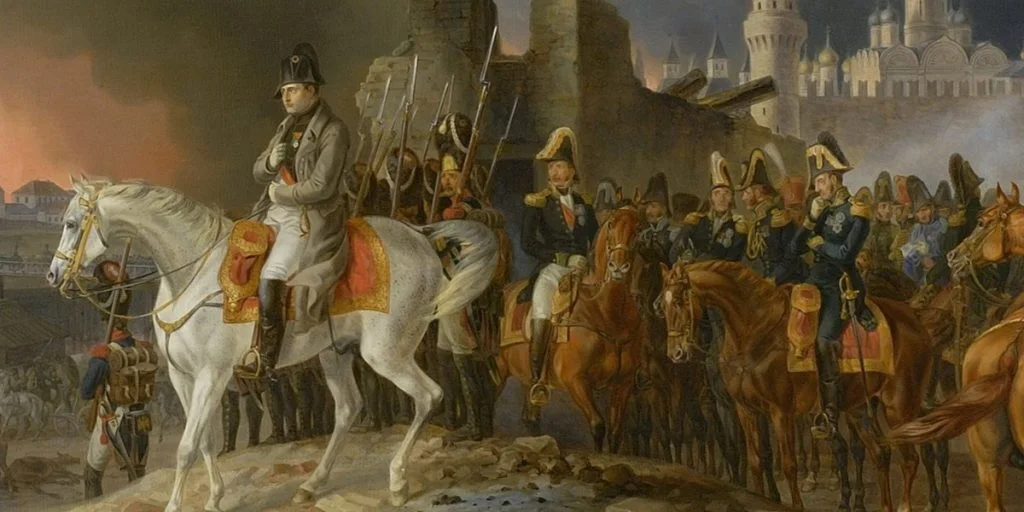
Napoleon expected a quick conquest of Moscow.
Hitler anticipated that the Soviet Union would fall within weeks.
Instead, both aggressors became bogged down in protracted, exhausting wars.
The Russian invasion
With what was reportedly expected to be a three-day campaign now in its fifth year, Putin fell into the exact same trap of imperial hubris.
His assumption of a lightning advance on Kyiv instead led to a prolonged conflict and remarkable adaptation by the Ukrainian defenders.
5. Logistical failures revealing internal weakness
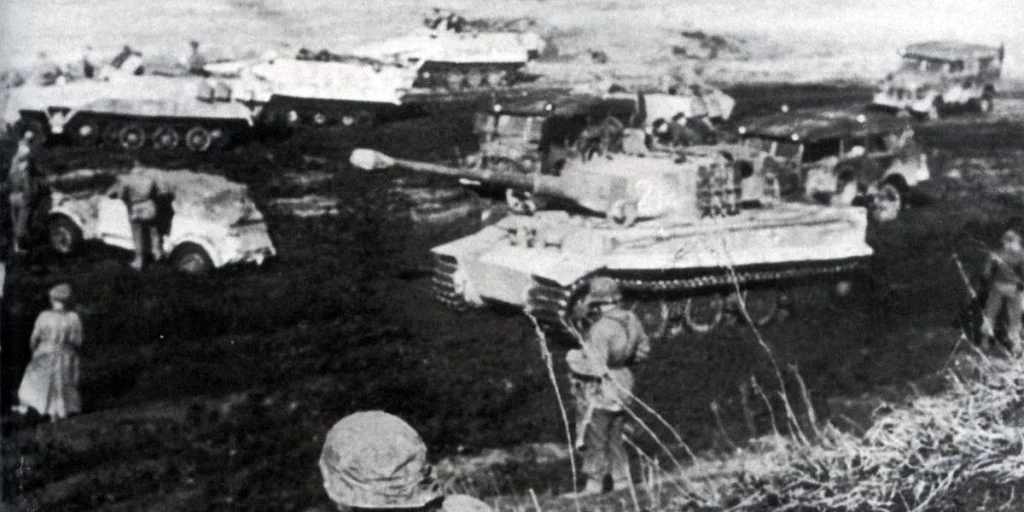
Napoleon’s retreat shattered French military prestige, and Hitler’s stalled Eastern Front exposed the limits of Nazi Germany’s war machine, marking a turning point in World War II.
The Russian invasion
By forcing his military into the role of an overextended invader, Putin has similarly exposed deep flaws in Russian military planning, severe supply-chain bottlenecks, and vulnerabilities under economic sanctions.
6. Intelligence failures and groupthink
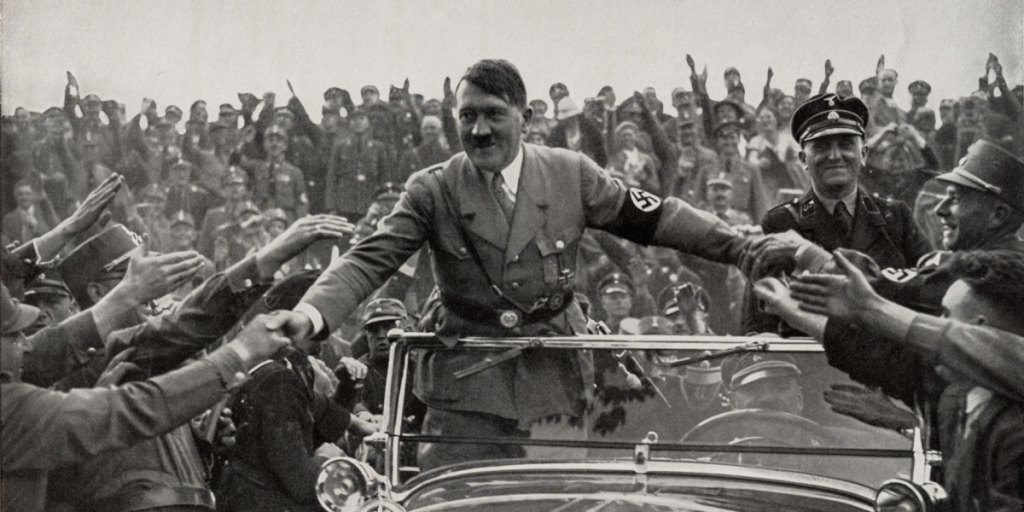
Both Napoleon and Hitler underestimated the resolve, patriotism, and capabilities of the adversaries they chose to attack. During World War II, German intelligence catastrophicly misjudged Soviet resilience and industrial capacity.
The Russian invasion
Putin’s decision-making also appears to have been insulated from dissenting views, failing to anticipate Ukraine’s rapid mobilization and Western support.
This may have been influenced by how quickly Russia took control of the Crimean Peninsula in 2014, leading to a false sense of security regarding how a full-scale invasion would unfold.
7. Attritional warfare and morale breakdown
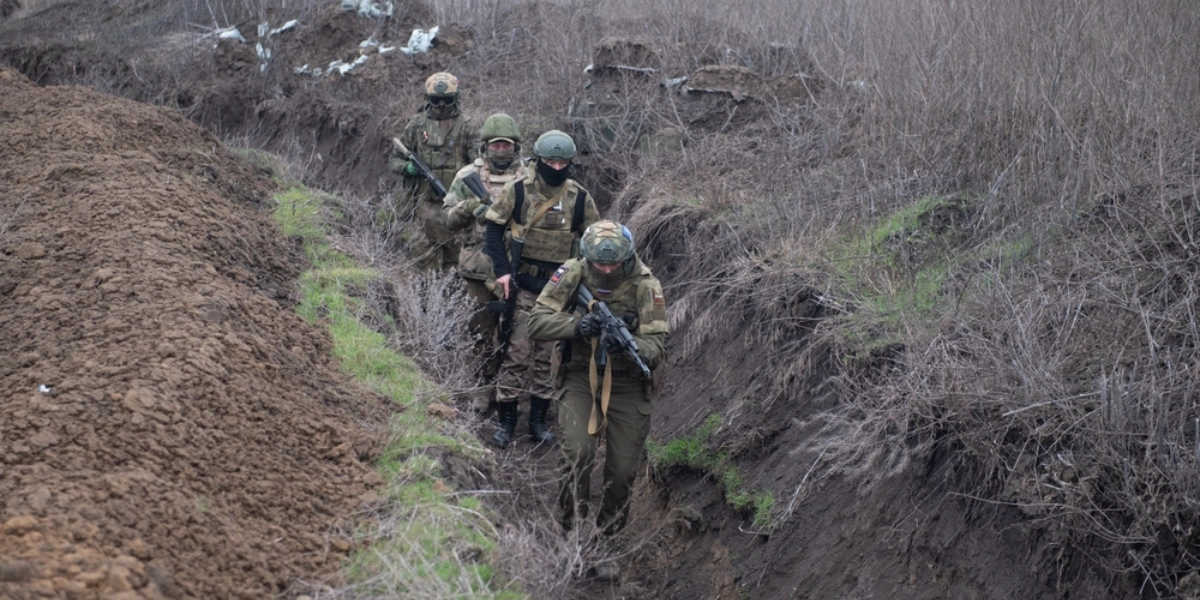
Napoleon lost hundreds of thousands of troops during his retreat from a hostile land.
Hitler’s campaigns resulted in massive casualties as the Eastern Front turned into a meat-grinder for the invading German army.
The Russian invasion
Russia’s current war in Ukraine, particularly in prolonged battles such as Bakhmut, has carried similarly high costs and morale challenges typical of a stalled invasion, with reports of Russian soldiers turning on their own commanders.
Additionally, acting as the attacker against a dug-in defender is historically costly; Russia is estimated to have lost more than 1.38 million troops (killed and wounded) since February 2022.
8. International blowback and isolation
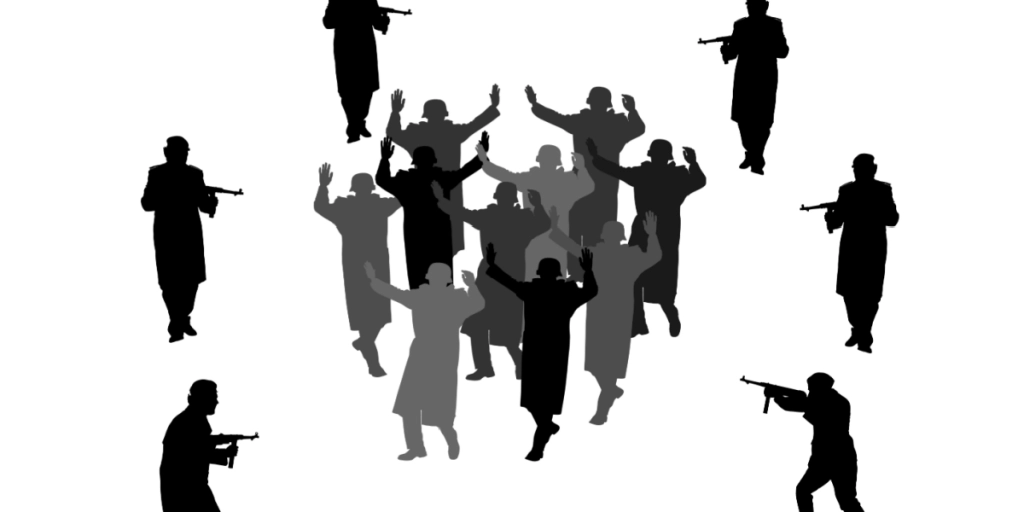
Napoleon’s aggressive expansion catalyzed the formation of powerful global coalitions against him.
Hitler’s invasion in the East strengthened Allied resolve and ultimately contributed to Nazi Germany’s unconditional surrender.
The Russian invasion
Today, Russia’s actions as an aggressor have strengthened NATO unity and deepened economic sanctions, pushing many previously neutral countries closer to Western alliances to protect against imperial overreach.
Conclusion
Napoleon and Hitler ignored the lessons of attempting to conquer a nation fighting for its survival. By launching an offensive war of conquest, Putin’s invasion appears to repeat their exact errors, facing comparable geographic, logistical, and determined opposition.
The ultimate lesson of history is that the rivers, mud, cold, and national spirit that once helped save Russia from foreign invaders are the exact same tools Ukraine is using to defend its sovereignty today.



